


Your First Step Into Software Development
Landing a software developer trainee role is your gateway into tech. But between "learning to code" and "getting hired," there's a gap most guides ignore—one that costs students months of rejection.
This guide covers what actually matters in 2026: the skills companies want, how to build a resume that gets noticed, interview questions you'll face, and real salary ranges across Pakistan, India, and the UAE.
Who This Guide Is For
You've finished a coding bootcamp, completed your degree, or taught yourself Python and JavaScript. You're ready to work, but you're not sure how to package yourself or where to apply. This guide is for you.
Whether you're in Karachi, Bangalore, or Dubai, the fundamentals are the same—but the job market, salary expectations, and hiring timelines differ. We'll cover all three regions.
Essential Skills for 2026 Software Developer Trainees
Companies hiring trainees expect you to know the basics cold. You don't need 5 years of experience, but you do need to demonstrate you can write clean code and solve problems.
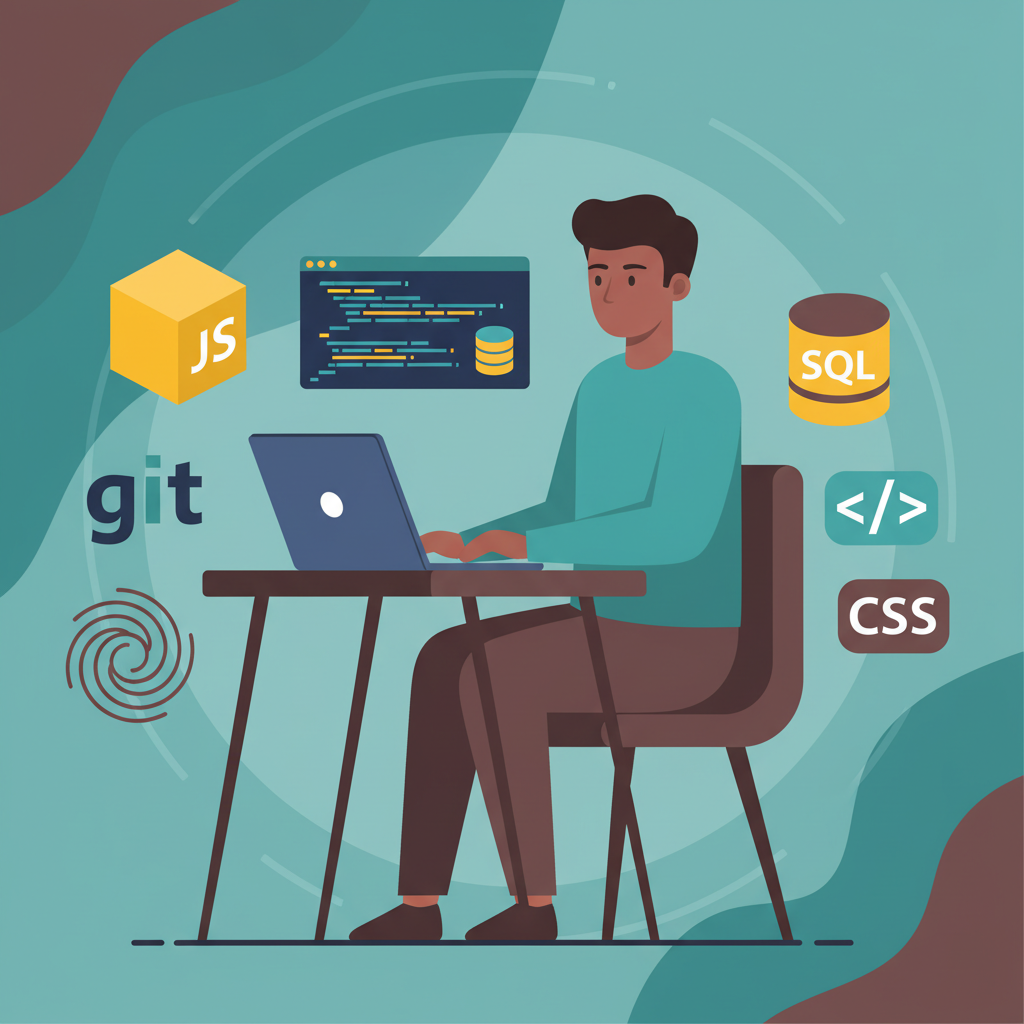
Technical Skills You Must Have
- Python or JavaScript — Pick one and be fluent. Python is easier to learn; JavaScript opens more web dev doors. Most trainees know both by month 3 anyway.
- SQL — Every application touches a database. You need to write basic queries, joins, and understand relationships.
- Git and GitHub — Version control isn't optional. Employers check your GitHub profile. Push code regularly, write clear commit messages, and contribute to open-source projects.
- HTML and CSS — Even backend developers need these. You don't need to be a designer, but you should build a simple webpage without Googling every tag.
- Problem-solving fundamentals — Data structures (arrays, linked lists, hashmaps), basic algorithms, and logic. Practice on LeetCode or HackerRank for 30 minutes daily.
Cloud and Modern Stack Basics
In 2026, even entry-level roles mention AWS or cloud platforms. You don't need AWS certification, but understanding what EC2, S3, or Lambda do helps. Spend a weekend on AWS free tier or Google Cloud tutorials.

If you're targeting UAE startups or Indian tech hubs, React Native or Flutter experience is a bonus. In Pakistan, full-stack JavaScript (Node.js + React) is increasingly common.
Soft Skills That Matter
- Communication — You'll pair-program, attend standups, and explain your code. Practice talking through your logic, not just writing it.
- Curiosity and learning mindset — Tech changes fast. Trainees who ask questions and read documentation go further than those who wait to be told.
- Attention to detail — One typo breaks your code. Employers notice who tests thoroughly and who ships bugs.
Resume Optimization for Entry-Level Roles in Pakistan, India, UAE
Your resume is your first interview. Most hiring managers spend 6 seconds scanning it. Make every line count.

Structure That Works
- Header — Name, phone, email, GitHub link, LinkedIn (if professional). No photo unless the job posting asks for it.
- Professional summary (2–3 lines) — "Motivated software developer trainee with hands-on experience in Python and JavaScript. Built 3 full-stack projects. Seeking an entry-level role in backend development." Specific beats generic.
- Technical skills — List languages, tools, and platforms you actually use. Group by category: Languages (Python, JavaScript), Databases (SQL, MongoDB), Tools (Git, Docker), Cloud (AWS basics).
- Projects (3–4 best ones) — This is your portfolio. Include project name, what you built, tech stack, and a GitHub link. Example: "E-commerce API (Python, Flask, PostgreSQL) — Built REST endpoints for product catalog, user auth, and order management. Deployed on Heroku." Real outcomes matter more than buzzwords.
- Experience — Internships, freelance work, or volunteer projects. Use action verbs: "Debugged," "Implemented," "Optimized." Numbers help: "Reduced API response time by 40%."
- Education — Degree, bootcamp, or certifications. If you're self-taught, skip this section or list relevant online courses (Coursera, Udemy with certificates).
Regional Tweaks
Pakistan (Rozee.pk, Internshala): Mention Urdu fluency if you have it. Companies in Karachi and Lahore value candidates who can communicate with non-technical teams. Add "Open to relocation" if you're willing.
India (Naukri, LinkedIn): Highlight tier-2 city experience if you're in Bangalore, Pune, or Hyderabad—these hubs have fierce competition. If you're from a smaller city, mention your willingness to relocate. Add certifications from AICTE-recognized institutes.
UAE (Bayt, GulfTalent): Keep it concise. UAE employers scan faster. Mention visa sponsorship willingness upfront. If you have any GCC-based project experience, highlight it.
What to Avoid
- Buzzwords without proof — Don't say "expert in AI" if you've only watched YouTube tutorials.
- Outdated tech — Listing Flash or outdated frameworks wastes space.
- Generic descriptions — "Responsible for coding" tells nothing. "Wrote 12 API endpoints for user authentication and payment processing."
- More than one page — As a trainee, one page is enough. Two pages scream, "I don't know what's important."
Top Interview Strategies and Common Questions
You've passed the resume screen. Now comes the interview. Most trainee interviews have three parts: technical, behavioral, and culture fit. Here's what to expect.
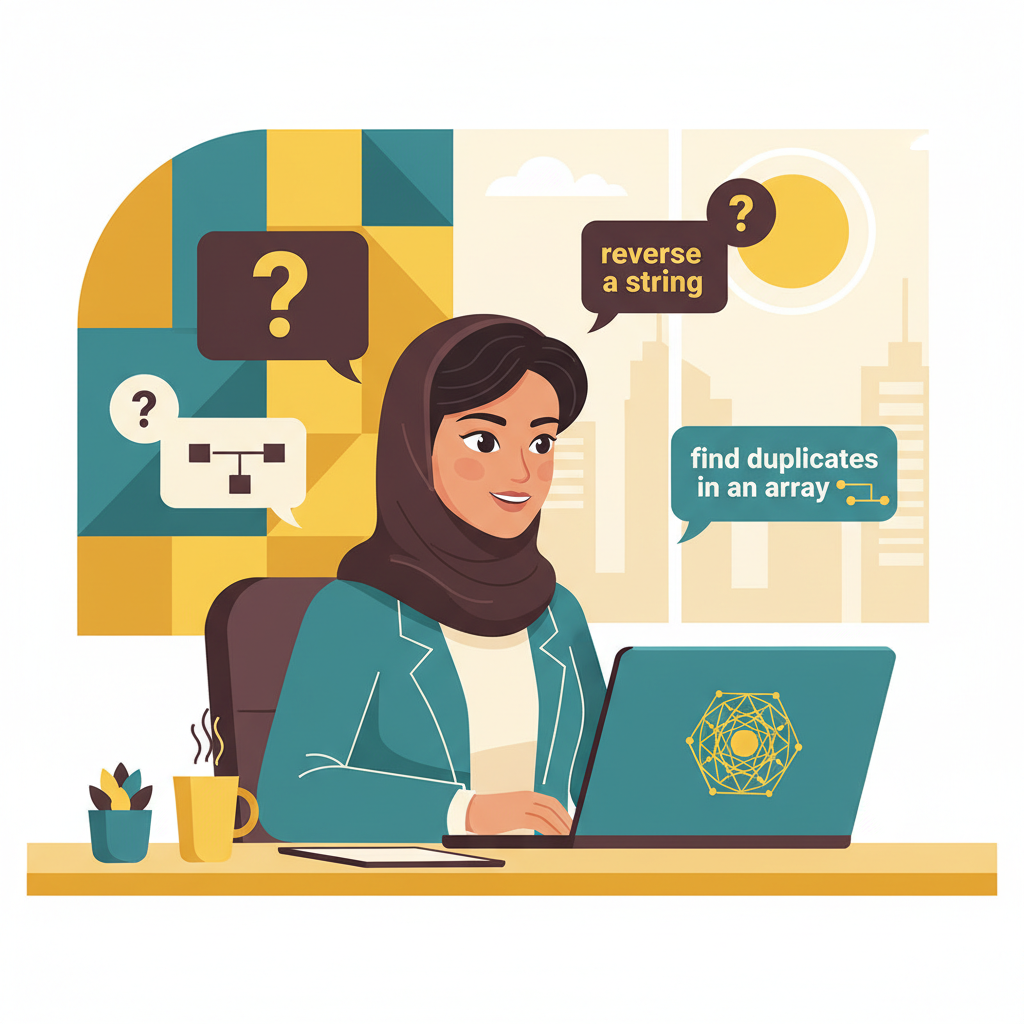
Technical Interview Prep
Expect 1–2 coding problems. They're not trying to trick you; they're checking if you can think through a problem step by step.
Common questions:
- "Reverse a string" or "Find duplicates in an array" — Basic algorithms. Practice 10 of these on LeetCode (Easy tier).
- "Write a function to check if a number is prime" — Tests logic and loops.
- "Explain the difference between SQL JOIN types" — You don't need to memorize; understand when to use INNER, LEFT, and RIGHT.
- "Build a simple REST API endpoint" — Show you understand HTTP methods, status codes, and JSON.
Interview tip: Talk out loud. Say "I'll start by understanding the problem" and walk the interviewer through your thinking. If you get stuck, ask clarifying questions. Silence is worse than admitting uncertainty.
Behavioral Questions
These reveal how you work with teams and handle pressure.
- "Tell me about a time you debugged a difficult bug." — Pick a real example. Describe the problem, what you tried, and what you learned. Even if it's from a bootcamp project, it counts.
- "How do you stay updated with new tech?" — Mention blogs (Dev.to, CSS-Tricks), podcasts, or GitHub trending. Show curiosity, not panic.
- "Describe a time you disagreed with a teammate." — Show maturity. "We had different approaches. I listened to their reasoning, shared mine, and we found a middle ground."
- "Why do you want to work here?" — Research the company. Mention a specific project they've done or a value they stand for. Generic answers fail.
Questions to Ask Them
At the end, you'll be asked, "Do you have questions for us?" Always say yes. Ask:
- "What does a typical day look like for a trainee on your team?"
- "What's the tech stack I'd be working with?"
- "How much mentorship do trainees get in the first month?"
- "What's the path from trainee to junior developer here?"
These show you're serious and thinking long-term.
Bridging the Gap: From Job Search to Trainee Placement
Knowing the skills and nailing the interview is half the battle. The other half is knowing where to look and how to apply strategically.
Where to Find Software Developer Trainee Jobs
Pakistan: Rozee.pk, Internshala, LinkedIn Pakistan, and local tech communities on Facebook. Check Karachi tech groups for startup listings.
India: Naukri, LinkedIn India, AngelList (for startups), and Internshala. Tier-2 cities (Pune, Hyderabad) have lower competition than Bangalore.
UAE: Bayt, GulfTalent, LinkedIn Gulf, and company career pages directly. Dubai and Abu Dhabi have the most openings.
Across all regions: Follow companies on LinkedIn, join their Slack communities, and attend tech meetups. Referrals beat cold applications by 10x.
Application Strategy
- Customize your resume for each role — Change the summary and highlight relevant projects. Spend 10 minutes per application, not 30 seconds.
- Apply to 5–10 roles per week, not 50 — Quality over volume. Target roles that match 70% of your skills, not 100%.
- Follow up — If you don't hear back in 2 weeks, send a polite message on LinkedIn to the hiring manager or recruiter.
- Build in public — Share your projects on GitHub, write a blog post about what you learned, or tweet your progress. Visibility helps.
- Network offline — Attend tech meetups, hackathons, or university tech talks. One conversation beats 100 applications.
Software Developer Trainee Salary Expectations by Region
Salary matters, but as a trainee, growth matters more. That said, here's what you can expect in 2026:
- 🇵🇰 Pakistan: PKR 30,000–60,000/month (Entry-level trainee roles in Karachi and Lahore). Expect a 10–15% rise by late 2026 as demand grows.
- 🇮🇳 India: INR 15,000–40,000/month (Tier-2 cities on the lower end; Bangalore/Hyderabad on the higher end). Tech startups often pay more than legacy companies.
- 🇦🇪 UAE: AED 5,000–10,000/month (Plus housing allowance for many roles). Dubai startups are more competitive; Abu Dhabi government contracts pay steadily.
Bonus: Many companies offer learning stipends, free courses, or conference tickets for trainees. Factor these in when comparing offers.
Common Mistakes to Avoid
- Applying without reading the job description — Tailor your resume. If they ask for JavaScript and you only know Python, mention you're learning JavaScript, don't ignore it.
- Overselling skills you don't have — Interviewers test everything you list. "Expert in React" when you've only done one tutorial will backfire.
- Ignoring soft skills — Companies hire trainees to grow them. If you're defensive, don't ask questions, or can't explain your code, they'll pass.
- Not having a GitHub profile — Your code is your resume. If you don't have one, create it today. Push at least 3 projects.
- Waiting for the "perfect" job — Your first role doesn't define your career. A mediocre company with great mentorship beats a fancy name with no support.
- Giving up after 10 rejections — Most trainees face 20–30 rejections before the first offer. It's normal. Keep applying and improving.
Frequently Asked Questions
Do I need a degree to become a software developer trainee?
No. Companies care about skills and projects, not degrees. Bootcamp graduates, self-taught developers, and degree holders all compete on equal footing. A strong GitHub profile beats a diploma every time.
How long should I study before applying for trainee roles?
3–6 months of consistent learning (20+ hours/week) is enough if you're focused. Build 2–3 real projects, not just tutorials. Then start applying. You'll learn more on the job than in prep.
What's the difference between a trainee, intern, and junior developer?
Trainees are in entry-level roles with structured mentorship, usually for 6–12 months. Interns are shorter (3–6 months), often during school. Junior developers have 1–2 years of experience. All three are entry points; trainees typically offer the most support.
Should I specialize (frontend, backend, DevOps) or be a full-stack developer?
As a trainee, be a generalist. Learn full-stack basics (frontend + backend). After 1–2 years, specialize based on what excites you. Specialization is a luxury; first, prove you can ship code.
How do I stand out from other applicants?
Build projects that solve real problems. Instead of a "To-Do app," build a tool your friends actually use. Write about your learning journey on a blog or LinkedIn. Contribute to open-source. Attend meetups and network. Personality and initiative beat perfection.
Is it better to apply directly or through a recruiter?
Both work. Direct applications to company career pages show initiative. Recruiters on LinkedIn or Internshala can fast-track you if they like your profile. Do both. Referrals from current employees are the fastest.
Your Next Move
You now have the roadmap. The skills to learn, the resume to build, the interviews to ace, and the salary ranges to expect. The gap between "wanting to code" and "getting hired" isn't luck—it's strategy and persistence.
Start today: Update your GitHub, apply to 5 roles this week, and reach out to one person in tech for a coffee chat. Small actions compound.
Ready to find your first software developer trainee role? Browse trainee positions on Trainee.Check out more career guides, or optimize your CV with our writing guide. Your first role is closer than you think.
