


What Soft Skills Matter Most in Communications Jobs
If you're applying for entry-level communications jobs in the UAE or planning your move from Pakistan, you might think a degree and a polished CV are enough. They're not. Employers in the Gulf are shifting away from a degree focus and moving toward skills-based hiring. For communications roles specifically, soft skills like active listening, empathy, and strategic thinking now separate candidates who get hired from those who don't.
This shift is real. Three in four UAE hiring managers report it's harder to find qualified talent in high-demand sectors, including communications. At the same time, 9,533 Pakistanis traveled to the UAE in March 2026 alone—a 320% increase year-over-year. Most are targeting tech and communications-adjacent roles where soft skills boost your chances significantly. The good news: these skills are learnable, and you can practice them right now.
Top Soft Skills UAE Communications Employers Want in 2026
Active Listening
Active listening isn't just nodding while someone talks. It means understanding what the other person needs, asking clarifying questions, and responding thoughtfully. In UAE communications roles, you'll work with diverse teams and clients from different cultural backgrounds. Employers want people who can truly hear what clients are asking for, not just what they're saying.

Empathy and Cross-Cultural Understanding
The UAE workforce is multicultural. Your team members, clients, and stakeholders come from dozens of countries with different communication styles and expectations. Empathy—the ability to understand and share someone else's feelings—is no longer optional. It's expected. Entry-level communications coordinators who show genuine empathy in client interactions stand out immediately.
Strategic Thinking
You don't need to be a strategist to show strategic thinking. It means understanding the bigger picture: why a campaign matters, who it reaches, and what success looks like. UAE hiring managers want entry-level staff who can connect tasks to outcomes, not just execute instructions.
Adaptability
The UAE communications sector is shaped by AI-driven workplace changes and hybrid work models. Roles shift. Tools change. Priorities evolve. Employers want people who stay calm and adjust quickly. This is especially important if you're new to the Gulf market.
Data Literacy
You don't need to be a data analyst, but you should understand basic metrics: engagement rates, click-through rates, and audience demographics. Most communications jobs now touch analytics in some way. Being comfortable with numbers and dashboards makes you more competitive.
Practical Exercises: Build Active Listening and Empathy
Exercise 1: The Listening Role-Play
Pair up with a friend or colleague. One person plays a client with a problem (e.g., "Our social media posts aren't getting engagement"). The other listens without interrupting, then summarizes what they heard and asks one clarifying question. Switch roles. Do this twice a week for two weeks. You'll notice your ability to focus and ask better questions improves fast.
Exercise 2: Cultural Case Study Analysis
Pick a real campaign from a UAE brand (e.g., Expo City Dubai or Emaar campaigns). Read about the campaign's goals, audience, and messaging. Write a one-page reflection: Who was the target audience? What cultural values did the campaign tap into? How did empathy shape the messaging? This builds your ability to see communications through a cultural lens.

Exercise 3: Empathy Interview Practice
Record yourself answering this question: "Tell me about a time you had to understand someone's perspective that was very different from yours. What did you learn?" Listen back. Did you focus on the other person's feelings, or just on what you did? Rerecord until it feels genuine. This is the kind of question you'll face in interviews.
Strategic Thinking Drills for Entry-Level Applications
Drill 1: The One-Page Strategy Brief
Take a hypothetical client brief. For example: "A UAE fintech startup wants to reach young professionals aged 25–35 who are new to investing." You have one page. Write: the goal, the audience, three key messages, and one recommended channel (LinkedIn, Instagram, etc.). Set a timer for 45 minutes. This teaches you to think strategically under pressure—exactly what happens in real jobs.
Drill 2: Reverse-Engineer a Campaign
Find a communications campaign you admire (from a UAE brand or international company). Ask yourself: What problem was this solving? Who was the audience? What emotion did it trigger? Why that channel? Write down your answers. Then, research the actual campaign brief if you can find it. Compare. This builds your ability to see the strategy behind the tactics.
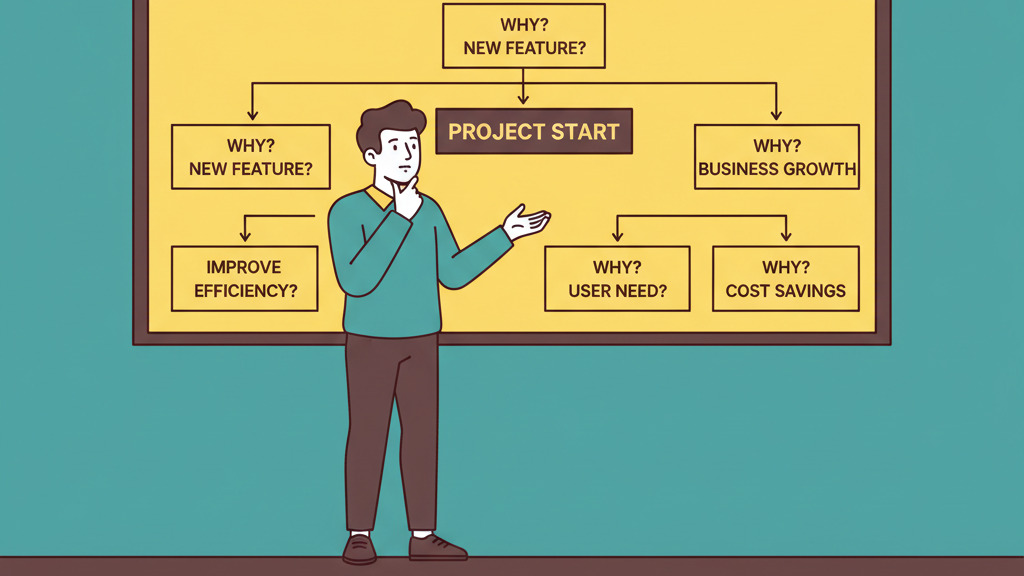
Drill 3: The "Why" Chain
Take any communications task (e.g., "Write a LinkedIn post about our new product"). Ask "Why?" five times in a row. Why write a LinkedIn post? To reach professionals. Why professionals? Because they're our target buyer. Why are they our target buyer? Keep going. This habit forces you to think strategically instead of just executing tasks.
Interview Tips: Showcasing Soft Skills for Pakistani Trainees
Use the STAR Method for Soft Skills Stories
When an interviewer asks, "Tell me about a time you showed empathy," don't just describe the situation. Use STAR: Situation, Task, Action, Result. Example: "In my internship, a client was frustrated because our campaign wasn't performing. Instead of defending our work, I listened to their concerns, asked questions about their goals, and we pivoted the strategy together. The campaign improved by 40% the next month." This shows empathy in action.

Practice Active Listening in the Interview Itself
Before you answer a question, pause for two seconds. Make sure you understood it. If you're unsure, ask: "Just to clarify, are you asking about my experience with social media strategy or campaign planning?" Interviewers notice when you listen carefully instead of launching into a prepared answer. It's a soft skill demonstration in real time.
Mention Adaptability Specifically
If you're a Pakistani trainee applying to UAE roles, you're already demonstrating adaptability by moving to a new country. But don't assume interviewers will make that connection. Say it: "I'm excited about adapting to the UAE workplace culture and hybrid work models. I've already started learning about local communication preferences and industry trends here." This shows self-awareness.
Bring Data into Your Stories
When you talk about a project, include numbers. "I helped coordinate a campaign that reached 50,000 people", beats "I helped with a big campaign." Numbers show you think strategically and track outcomes. Even if your number is small, it proves you pay attention to results.
Resources: UAE-Specific Communications Training Programs
You don't need to spend thousands of dirhams to build these skills. Here are affordable and free options:
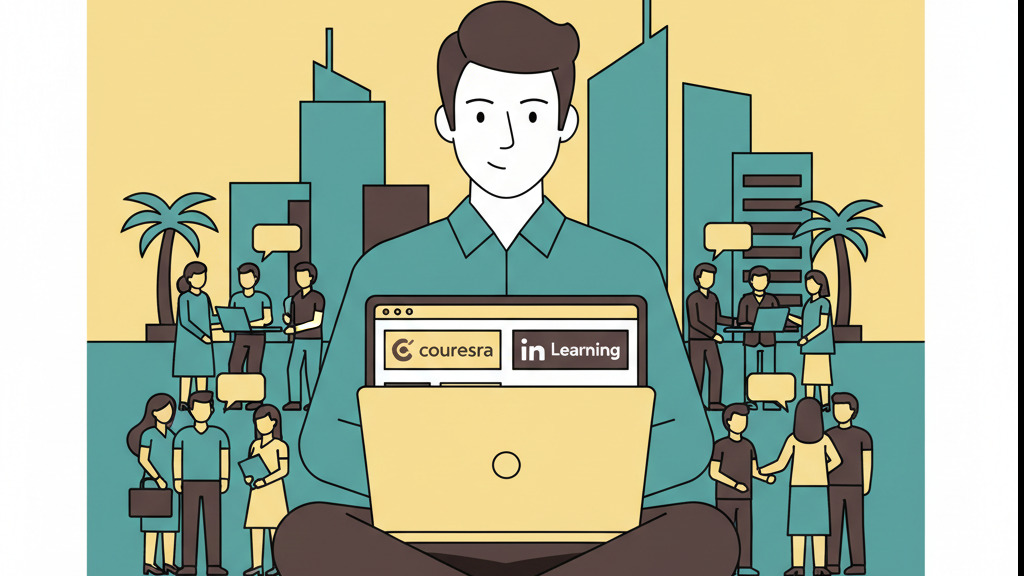
- Coursera and Google Career Certificates — Look for courses on communication skills, data analytics, and project management. Many are free to audit.
- LinkedIn Learning — Search for "active listening," "empathy in business," and "strategic thinking." Your university or employer may offer free access.
- UAE Industry Events — Join networking events hosted by the UAE Communications and Marketing Association or chambers of commerce. Demonstrating soft skills in person is powerful for applications.
- Mock Interview Platforms — Use platforms like Trainee.in to practice interviews with feedback. Focus on how you listen and respond, not just what you say.
- Case Study Libraries — Follow UAE brands on LinkedIn and analyze their campaigns. This builds strategic thinking for free.
Common Mistakes to Avoid
Don't assume soft skills are "soft" because they're easy to develop. They take practice. Many entry-level candidates rush through interviews, interrupt interviewers, or focus only on technical skills. That's a mistake. Soft skills are what get you hired.
Another common error: not preparing specific stories. Saying "I'm a good listener" doesn't prove anything. Saying "Here's a time I listened to a client's frustration and it changed how we approached the project" does. Write down 5–7 real stories from school, internships, or volunteer work. Practice telling them in two minutes or less.
Finally, don't ignore cultural differences. What counts as active listening in Pakistan might look different in the UAE. In Gulf workplaces, directness and respect for hierarchy matter. Research the specific company's culture before your interview. Ask questions that show you've done your homework.
Salary and Market Insights for Entry-Level Communications Roles
If you're weighing a move to the UAE, here's what entry-level communications coordinators earn:
- UAE (Dubai/Abu Dhabi) — AED 8,000–15,000 per month (tax-free). Higher in free zones for AI-savvy roles.
- Pakistan (Karachi/Islamabad) — PKR 80,000–150,000 per month. Freelance gigs often bridge to Gulf pay rates.
The UAE market is tighter than Pakistan. Seventy-two percent of UAE professionals are planning to look for a new role, which means competition is fierce. But it also means employers are investing in training. If you land an entry-level role with strong soft skills, advancement happens quickly.
Frequently Asked Questions
What soft skills do UAE employers value most in entry-level communications roles?
Active listening, empathy, strategic thinking, and adaptability top the list. These skills help you work with diverse teams and clients in the Gulf. Data literacy is increasingly important, too, especially as communications roles touch analytics more often. Employers want people who can understand both the human side and the numbers side of campaigns.
How can Pakistani trainees demonstrate communication soft skills in UAE job interviews?
Use the STAR method to tell specific stories showing empathy in client or team scenarios. Practice active listening during the interview itself by pausing before you answer and asking clarifying questions. Mention your adaptability to UAE culture and hybrid work models explicitly. Bring data and outcomes into your examples to show strategic thinking.
What practical exercises build strategic thinking for communications jobs?
Analyze real UAE campaigns to understand the strategy behind them. Write one-page strategy briefs for hypothetical client problems. Ask "Why?" five times in a row when you're given a task. These drills train your brain to see the bigger picture instead of just executing tasks.
Can I develop these soft skills while still in university or during an internship?
Absolutely. In fact, that's the best time. Take on projects where you work with clients or teams. Volunteer for roles that require listening and problem-solving. Ask for feedback on how you communicate. Every interaction is practice. By the time you apply for entry-level jobs, you'll have real stories to tell.
How much does it cost to train in soft skills for communications roles?
Many resources are free: Coursera audit courses, LinkedIn Learning (often free through universities), and industry events. Some paid courses run PKR 5,000–20,000 or AED 200–800. But the best training is hands-on: real projects, real feedback, real interviews. Start there before spending money.
Is it harder to get communications jobs in the UAE as a Pakistani trainee?
Not if you have the right soft skills. Pakistani migration to the UAE is up 320% year-over-year. Employers know Pakistani talent is reliable and adaptable. Your advantage is showing you understand UAE culture, can work in hybrid teams, and bring strategic thinking to the role. That's what gets you hired.
What's Next
Soft skills aren't built overnight. Start with one exercise this week: the listening role-play or a campaign case study. Practice for two weeks. Then move to the next drill. By the time you interview, these skills will feel natural, not rehearsed. That's when employers notice.
If you're ready to apply for communications roles, start by building your portfolio and practicing interviews. Trainee.in's career guides offer step-by-step advice for entry-level roles. You can also browse current communications job openings in the UAE and Pakistan to see what employers are looking for right now. Finally, check out salary trends to understand what you should expect to earn as you grow in your role.
