

S-IMS trainee programs 2026 are likely to remain a competitive route for early-career doctors and medical students who want real clinical exposure. If you are watching for Services Institute of Medical Sciences openings, the main challenge is not just eligibility. It is applied at the right time, with the right documents, and with a clear reason for joining.
Unlike always-open hiring, medical trainee posts are usually announced through hospital or college notifications. That means you need to monitor official channels closely and prepare before the ad appears. A strong application also needs more than marks. It should show patient handling, communication, ethics, and readiness for ward, OPD, or emergency work.
S-IMS Trainee Programs 2026: What Applicants Need to Know
The first thing to understand about S-IMS trainee programs 2026 is that there may not be one fixed national intake. These roles are often merit-based and tied to a specific notification from the institute, hospital, or department. So the S-IMS application process can change from one opening to another.
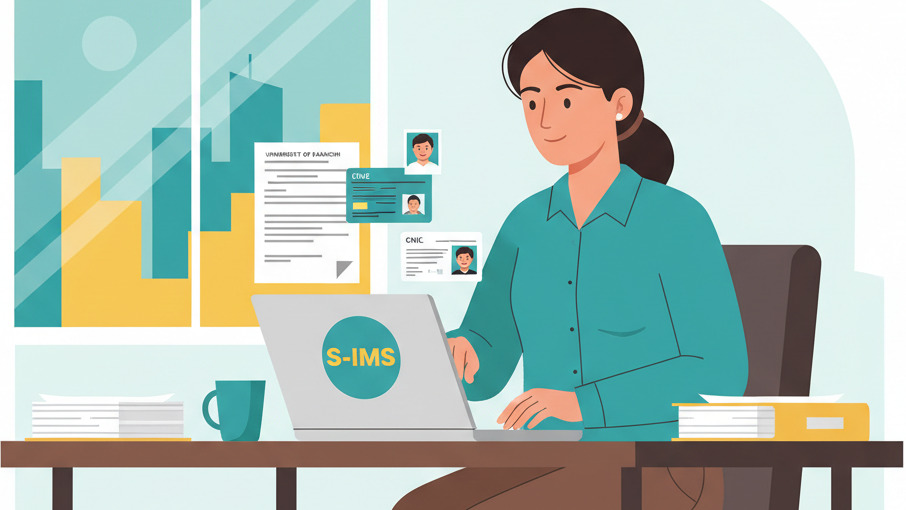
For that reason, do not wait for a long deadline window. In medical training, short notices are common. Keep your academic records, CNIC or ID, passport-size photos, and any internship proof ready in scanned form.
Also, keep a close eye on official notice boards and institutional pages. If you are comparing options, it helps to read broader career guides and check nearby openings on job listings for similar healthcare roles.
How to Apply for S-IMS Trainee Positions in 2026
The safest way to apply is through the official admissions or HR notification channel. Never rely only on social media reposts. Medical trainee deadlines can be short, and a small delay can close your chance.
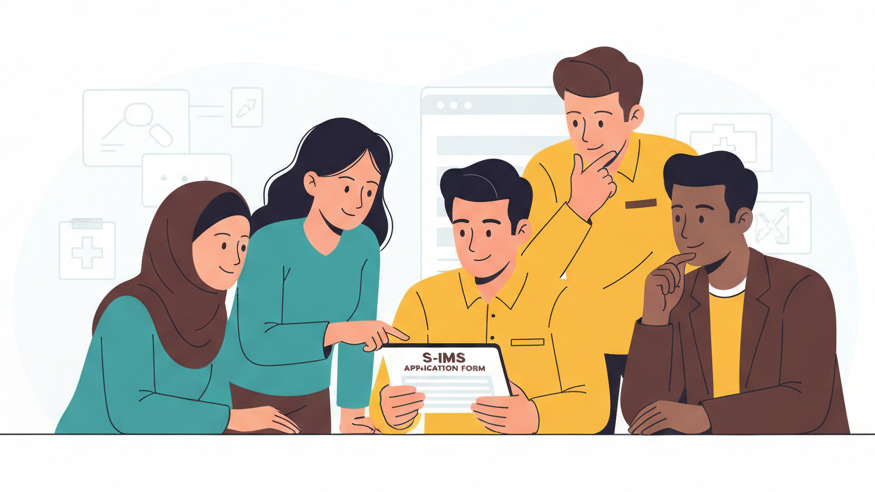
- Read the full notice carefully and confirm the post title.
- Prepare scanned copies of your degree, marksheets, CNIC, photo, and any registration proof.
- Fill the form exactly as asked. Do not add extra details unless requested.
- Submit before the deadline and save the receipt or email confirmation.
- Follow up only through the contact method mentioned in the notice.
If the institute asks for a CV or statement of purpose, keep it short and factual. Mention clinical exposure, volunteering, and any patient-facing work. If you need help polishing your documents, use the CV writing guide before you submit.
S-IMS Selection Process: Merit, Interviews, and Documents
Most S-IMS careers at the trainee level are expected to follow a merit-based process. That often includes document screening, verification, and then an interview. Some departments may also test your basic clinical judgment or ask practical questions about patient care.
Do not assume marks alone will carry you through. In healthcare hiring, institutions also look at how you speak, how you behave under pressure, and whether you seem reliable in a busy ward.
What usually matters most
- Academic record: strong MBBS or relevant medical scores still matter.
- Clinical exposure: clerkships, internships, shadowing, or volunteer work.
- Professional conduct: punctuality, neat documents, and clear communication.
- Readiness for ward work: comfort with patients, nurses, and senior doctors.
This is where early-career medicine candidates in Pakistan often fall behind. They prepare for the form, but not for the selection day. If you want to compare the role with similar training options, the Trainee.in blog can help you understand the process better.
Skills That Make You Competitive for S-IMS Training Roles
In 2026, S-IMS trainee programs 2026 will likely value more than exam results. Hospitals are paying more attention to digital fluency, team behaviour, and basic AI awareness, too. This matches wider hiring trends in healthcare careers in Pakistan and across the Gulf.
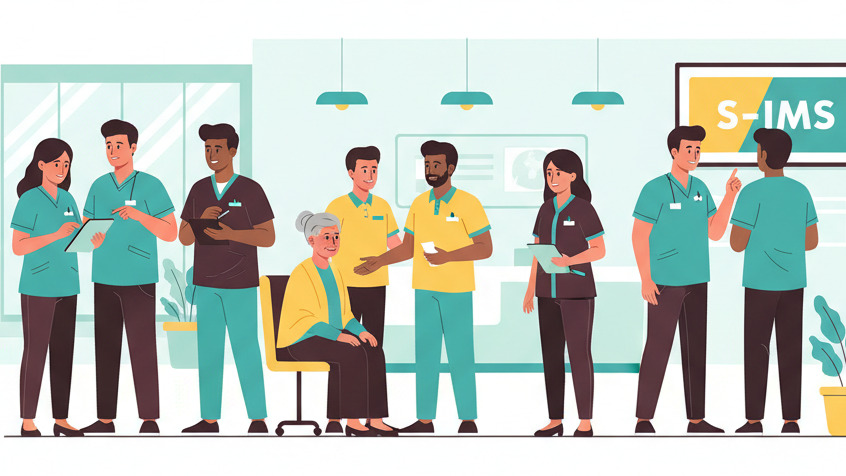
Useful skills include:
- Clinical communication with patients and attendants
- Patient history taking and basic physical examination
- Medical ethics and confidentiality
- Teamwork in wards and OPD settings
- Time management during busy shifts
- Documentation and record keeping
- Basic digital health literacy
Even simple digital comfort helps. If you know how to use hospital records, spreadsheets, or common learning tools from salary trends and market pages, you can speak more confidently about modern hospital work. That matters because medical workflows are becoming more data-heavy.
What to Expect from Campus Life and Clinical Exposure at S-IMS
Publicly verified details about campus life at S-IMS are limited, so it is better to treat this section carefully. Still, hospital-based training usually means long days, active wards, and direct exposure to patients. You may spend time in OPD, emergency, observation areas, or department-level rounds.
That kind of setting gives you practical growth, but it also demands stamina. The workload can feel heavy at first. You may need to move quickly, listen carefully, and stay calm when the unit is busy.
If campus or department interaction is part of the role, use it well. Ask seniors how they handle patient flow, note-taking, and handovers. Those small habits often matter more than people expect.
How to Prepare for an S-IMS Interview
S-IMS interview preparation should focus on clarity, not memorised lines. Interviewers in medical settings often want to see whether you can speak clearly, think ethically, and behave professionally with patients and seniors.
- Revise your final year subjects and common clinical terms.
- Prepare a simple answer for why you chose medicine and this role.
- Be ready to explain any internship, clerkship, or volunteer experience.
- Practice common ethics questions, such as consent and confidentiality.
- Speak about teamwork, stress, and time pressure with honest examples.
For example, if asked how you manage a difficult patient, answer in plain language. Show empathy. Show that you would stay calm. Avoid overexplaining or sounding scripted.
Typical interview topics
- Why do you want this trainee role
- How you handle pressure in a busy hospital
- What teamwork means in clinical settings
- How do you protect patient privacy
- What you learned from past hospital exposure
How to Make Your S-IMS Application Stand Out
If you want your application to stand out, make it specific. Do not send a generic medical CV to every department. Tailor it to the role and mention the kind of clinical setting you can handle.
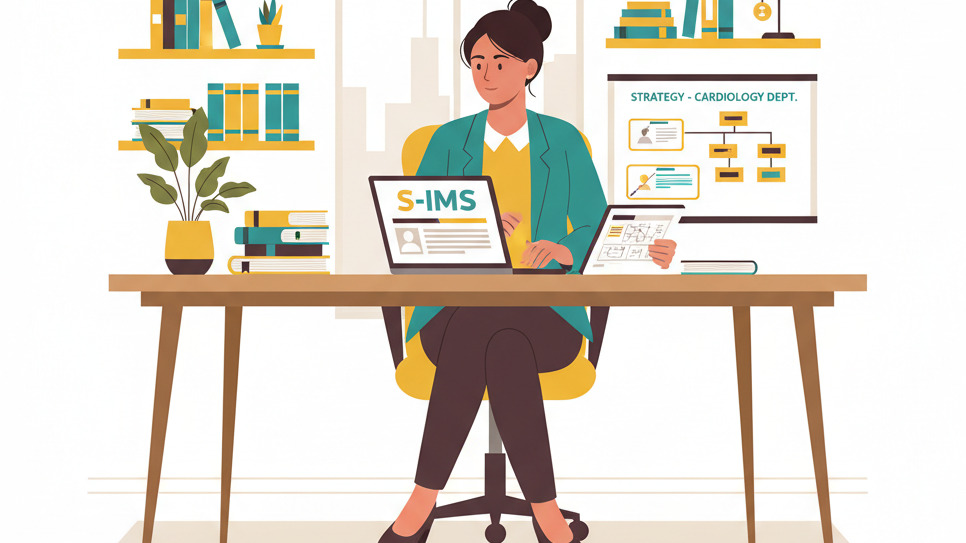
Strong applications often show:
- Relevant hospital exposure, even if it was short
- Volunteer work with patient contact
- Certificates in basic life support or similar training
- Clear interest in the department or speciality
- Maturity, punctuality, and a steady tone in the CV
Networking can also help. Faculty references, alumni contacts, and department familiarity can improve your visibility in competitive medical training institute settings in Pakistan. A brief recommendation from someone who knows your work can matter.
Common Mistakes to Avoid
Many applicants lose marks before the interview even starts. The most common mistake is missing the S-IMS deadlines 2026 because they assumed the window would stay open. Another problem is sending incomplete documents.
Some candidates also overstate their experience. If you only shadowed a doctor for two weeks, say that clearly. Do not describe it as full clinical work. Hospitals value honesty.
- Applying late after the notification closes
- Ignoring document format or scan quality
- Using a vague, copied CV
- Giving memorised interview answers
- Failing to explain your real motivation
Career Paths After an S-IMS Traineeship
The career value of a trainee post at S-IMS depends on how you use it. For many candidates, the next step is a house job after MBBS, residency preparation, or another junior clinical role. Others use the experience to move into public hospital work or private-sector entry.
That makes the role useful even when the stipend is modest. In Pakistan, early clinical posts are often stipend-based rather than salary-led. Exact pay varies by institution and province, so always check the official notice.
- Pakistan: medical trainee or internship-style roles are usually stipend-based and institution-specific.
- Pakistan: House officer roles can lead to stronger references and future clinical placement.
- India: medical intern or junior trainee stipends vary by state and college.
- UAE: early-career healthcare roles are usually better paid, but licensing rules are stricter.
As a wider market note, UAE employers still offer around 500,000 job openings every year (2026), and healthcare hiring is increasingly linked to digital skills and English communication. That is useful context if you later move beyond Pakistan. The broader message is simple: clinical experience plus documentation skill creates more options.
Frequently Asked Questions
What is the best way to apply for a trainee position at S-IMS in 2026?
Use the institution’s official admissions or HR notification channel. Prepare scanned academic and identity documents in advance. Apply immediately when the advertisement opens because medical trainee windows are often short.
What makes an S-IMS trainee application competitive?
Strong academic performance helps, but it is not enough on its own. Relevant clinical exposure, clear motivation for patient care, good communication skills, and proof of professionalism all matter.
Do I need prior hospital experience to be selected?
Not always. Even limited exposure through internships, clerkships, volunteer work, or shadowing can strengthen your application and interview answers.
What should I expect in an S-IMS interview?
Expect questions on medical ethics, patient communication, teamwork, handling stress, why you chose medicine, and how you would behave in a busy clinical environment.
How can I stand out if the role is highly competitive?
Tailor your CV to the department and highlight measurable clinical exposure. Include certifications if relevant, and show maturity, punctuality, and willingness to learn.
What career options can follow an S-IMS trainee role?
Common outcomes include house job, residency preparation, departmental junior roles, private hospital entry, public-sector clinical experience, and speciality-track applications.
Final Thoughts
S-IMS trainee programs 2026 can be a strong step for early-career medical candidates, but the path is competitive. Your chance improves when you apply quickly, submit clean documents, and prepare for the interview with care. The institute will likely value both academic strength and practical readiness.
If you treat the process like a real clinical application, not just a form, you will be better prepared. Focus on patient care, teamwork, and clear communication. Those are the parts that often decide who gets selected.
For more practical support, read the latest Trainee.in blog and explore career guides for medical and healthcare roles.
