

Many early-career creators struggle to stand out in the creator economy. Portfolio building helps you show your work clearly and attract freelance jobs or gigs. This guide gives you practical steps to create one that works in 2026.
Who This Guide Is For
This is for students, fresh graduates, and early-career pros who want creator economy jobs. Think video editors, graphic designers, or social media content makers. If you live in Pakistan, India, or the UAE, these tips fit your market.
You might be seeking freelance work on platforms like Upwork or Fiverr. Or you want entry-level roles at agencies in Dubai or Karachi. A good portfolio proves your skills without needing years of experience.
Step-by-Step Roadmap to Portfolio Building
Follow these 6 steps to build your portfolio. Start small and add projects over time. Each step takes real work but pays off.
- Pick your niche. Choose one area like short-form video, Instagram graphics, or blog writing. For example, focus on Reels for brands in India if that's your strength.
- Gather 5-10 projects. Use school assignments, personal work, or free client gigs. If you have none, make mock projects for fake brands.
- Build a simple site. Use free tools like Carrd or WordPress.com. Add your name, a photo, and contact info on the home page.
- Organize your work. Group projects by type. Add a short description for each: what you did, tools used, and results.
- Add your story. Write an about page. Share how you started and what drives you. Keep it to 200 words.
- Test and share. Get feedback from friends or online groups. Post the link on LinkedIn and Twitter.
Technical Skills for Creator Economy Jobs
Learn tools that clients expect. Start with Canva for graphics—it's free and quick. Move to Adobe Express for pro edits.
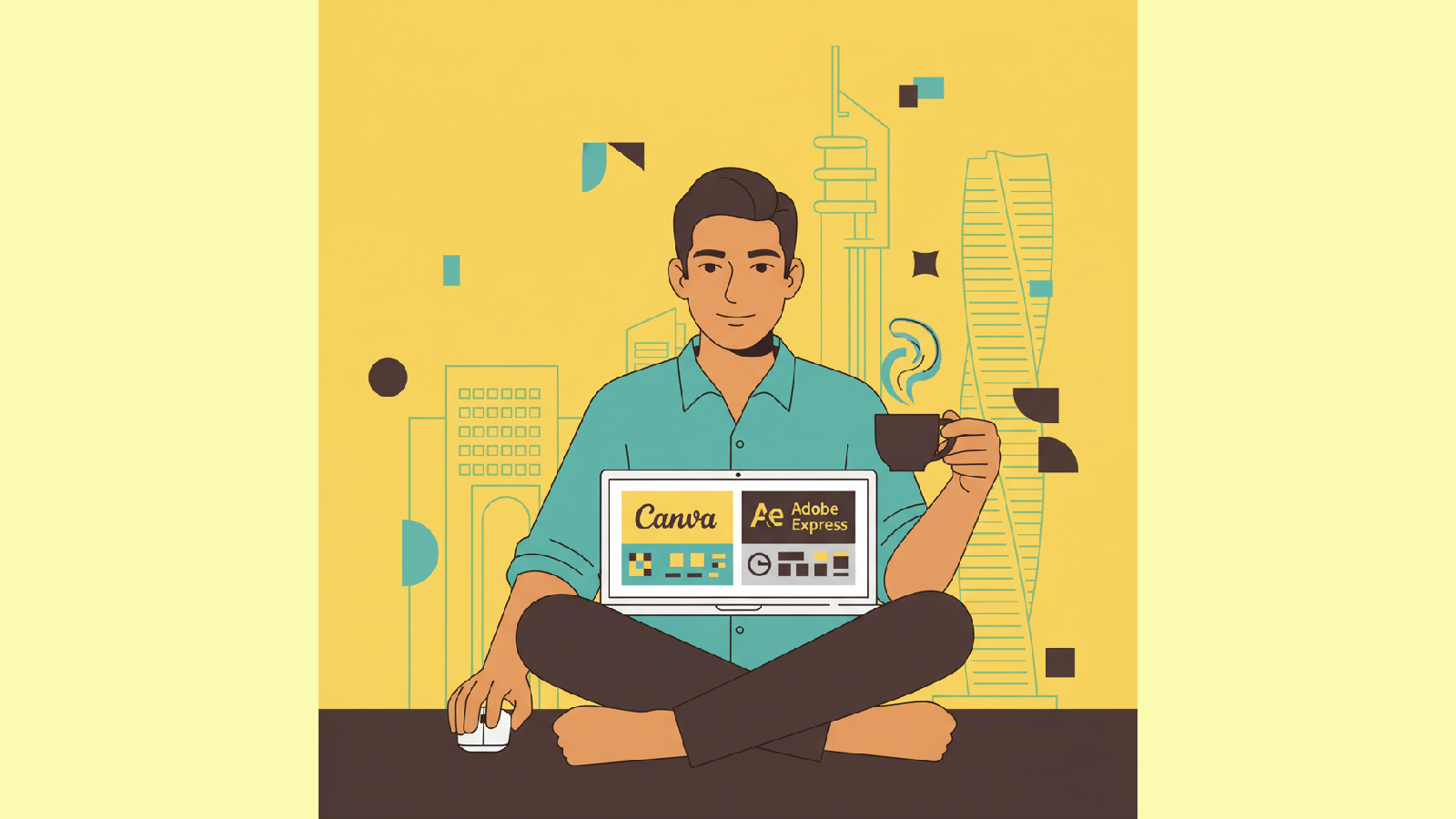
For video, use CapCut or the DaVinci Resolve free version. Practice making 30-second clips. In the UAE, agencies like those in Dubai Media City look for these skills.
Soft Skills That Help
Communication matters. Explain your ideas clearly in project descriptions. Time management keeps freelance deadlines on track.
Adaptability is key. Clients often change requests. Show this by noting revisions in your portfolio.
Tools to Learn for Portfolio Building
Use these free or low-cost tools. They work well for beginners in Pakistan or India.
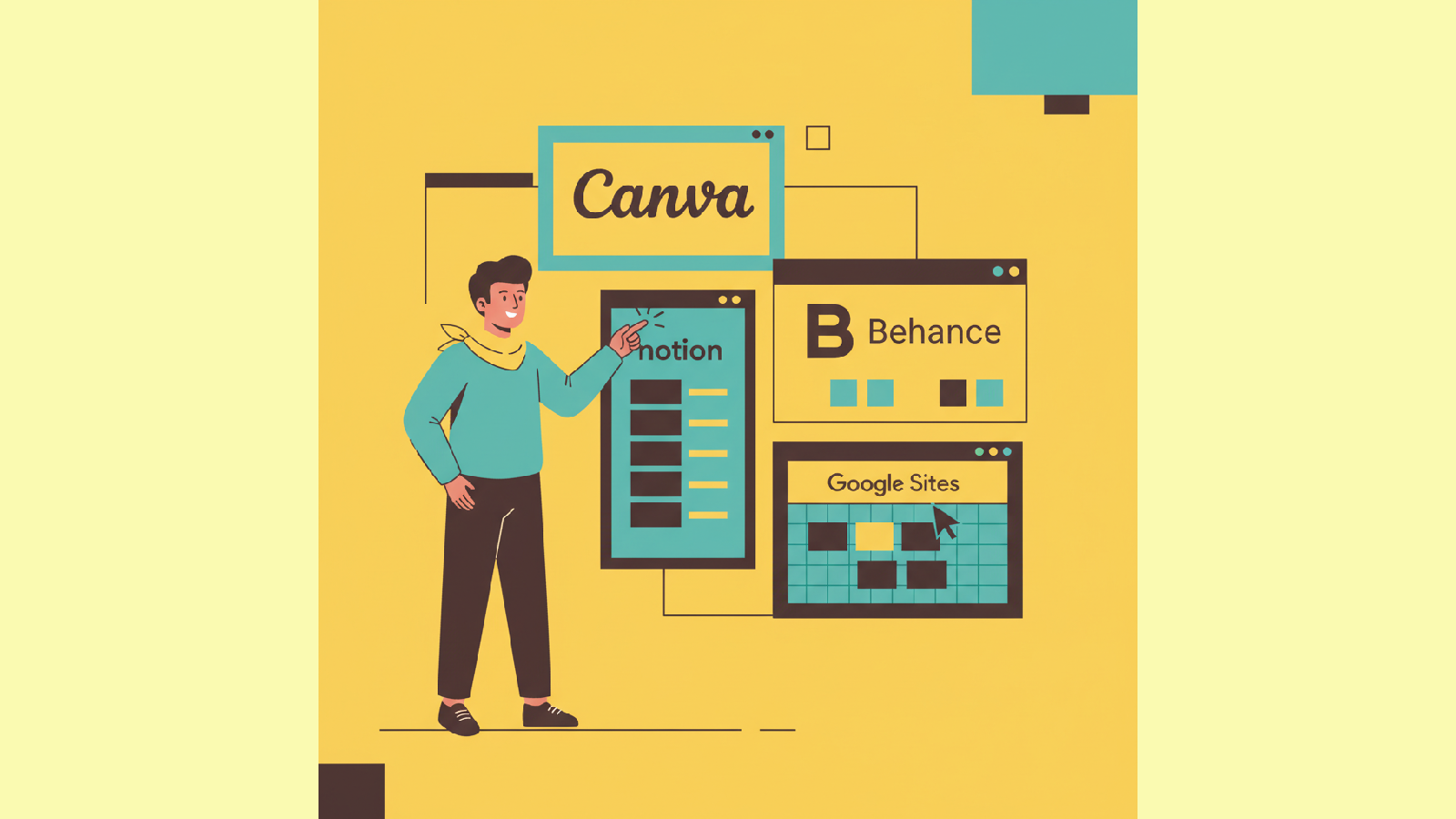
- Canva: For thumbnails, posts, and infographics. Export as PDF or PNG.
- Notion: Track projects and client notes. Share pages as portfolio embeds.
- Behance or Dribbble: Upload work for feedback. Link to your main site.
- Google Sites: Free portfolio host. Easy drag-and-drop setup.
- Loom: Record quick videos explaining your process. Clients love this.
Practice one tool per week. Build a sample project each time. Add it to your portfolio right away.
Salary Expectations for Creator Economy Jobs
Entry-level pay varies by region. These are realistic ranges for freelancers or junior roles in 2026.
- Pakistan (PKR): 50,000–100,000 per month for part-time gigs. Full-time video editors earn 80,000–150,000.
- India (INR): 25,000–60,000 monthly for starters. Freelance graphic work pays 30,000–80,000.
- UAE (AED): 5,000–12,000 per month for an entry-level position. Dubai agencies offer 8,000–15,000 with a strong portfolio.
Rates grow with experience. A portfolio with 10 client projects can double your starting pay.
Where to Find Creator Economy, Jobs
Check these platforms daily. Tailor your applications with portfolio links.

In Pakistan, use Rozee.pk or Trainee.in jobs for local gigs. India has Internshala and Naukri. For the UAE, try Bayt or GulfTalent.
Freelance sites like Upwork work everywhere. Bid on 5 jobs a day. Also, follow brands on LinkedIn and DM them your portfolio.
Build personal branding by posting weekly on Instagram or TikTok. Use your niche. Tag agencies in Dubai or Karachi.
Common Mistakes to Avoid
Don't overload your site with 20 projects. Pick your best 5-8. Quality beats quantity.
Avoid generic descriptions. Say "Grew Instagram followers by 20% for a local cafe in Lahore" instead of "Made graphics."
Skip fancy designs if you're a beginner. Clean and simple works best. Mobile test—most clients browse on phones.
Don't forget contact info. Add email and LinkedIn. Make a form for inquiries.
Update rarely is a mistake. Add new work every month. Old portfolios look stale.
Real Career Path Examples
Ayesha from Karachi started with Canva edits for friends. She built a Behance portfolio with 7 projects. Now she freelances for Pakistani brands at 70,000 PKR/month.
Raj in Mumbai used free YouTube tutorials for video skills. His Notion site landed an Internshala gig at 40,000 INR. He now works remotely for UAE clients.
See more paths in our career guides. Check the Trainee.in blog for updates.
Frequently Asked Questions
Do I need paid clients for portfolio building?
No. Use personal projects or volunteer work. Mock briefs from sites like Briefbox work too. Clients care about results, not payment.
How long to build a portfolio?
2-4 weeks if you work 1-2 hours daily. Focus on 5 solid pieces first. Expand later.
What if I have no experience?
Create samples. Redesign a brand's social posts. Document your process. Platforms like Trainee.in CV guide help pair it with applications.
Free or paid portfolio sites?
Start free with Carrd or Google Sites. Upgrade to Squarespace later at $12/month. Free versions impress most entry clients.
How to use a portfolio for a freelance career?
Link it in proposals. Share on LinkedIn. Email it to agencies. Track which projects get responses and improve.
Is personal branding part of portfolio building?
Yes. Your about page and social posts build your brand. Stay consistent in style and voice across all.
A strong portfolio opens doors in the creator economy. Follow the steps to start today. Spend time on real projects—they matter most.
Ready for more career advice? Visit Trainee.in for jobs, guides, and salary trends.
