

Pakistan Institute of Fashion and Design (PIFD) is one of the clearest options for students who want a career in fashion and design, not just a general arts degree. For many applicants, PIFD admissions are the first step toward work in fashion design, textile design, jewelry, leather, and brand work. By 2026, that matters even more because employers want proof of skill, not only a degree.
This pillar page explains what PIFD offers, how admissions usually work, what student life looks like, and where graduates can build a career. It also covers salaries, internships, alumni impact, and the role PIFD plays in Pakistan’s creative economy.
What Is PIFD and Why Does It Matter for Pakistan’s Creative Economy
The Pakistan Institute of Fashion and Design is widely seen as Pakistan’s specialist higher-education institute for creative industry training. It is different from a general university because it focuses on design execution, industry exposure, and portfolio work. That makes it a strong choice for students who want practical skills in fashion, textile, jewelry, leather, and related fields.
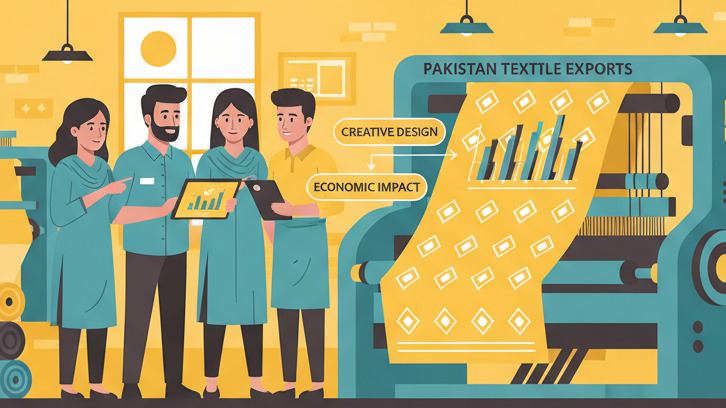
PIFD matters because Pakistan’s fashion and textile sectors are not small side industries. They sit close to the core of the economy. In 2024, about 8.5% of Pakistan’s GDP and around 60% of exports were linked to the textile and apparel sector. Pakistan’s textile exports also crossed roughly US$16 billion in FY2023-24. That means creative and technical design skills are tied to real market demand.
For students, this changes the value of a design degree. A PIFD education is not only about sketches and style. It connects to garment production, textile innovation, merchandising, product development, and fashion marketing in Pakistan. It also supports students who want to build independent labels or work with export brands.
If you are comparing fashion design colleges in Pakistan, PIFD stands out because of its narrow focus. That can be a strength if you want to build a career in design rather than study a broad academic art degree.
PIFD Admissions 2026: Eligibility, Entry Tests, and Application Steps
PIFD admissions usually attract students who have a clear interest in visual work and hands-on learning. The exact 2026 schedule, fee structure, and entrance-test format should always be checked on the official PIFD website, because deadlines and requirements can change each year. Still, the basic admission pattern is usually predictable.

What applicants should expect
Most programs ask for an online or form-based application, an entry test, and, in many cases, an interview. Some departments may also ask for a portfolio or sample creative work. That is common in design education because the institute wants to see how you think and present ideas.
The entry test may check drawing, observation, basic creative sense, English comprehension, or general aptitude. For some programs, the interview matters as much as the test. If you are weak in drawing but strong in idea development, a good portfolio or strong interview can still help.
Simple application steps
- Check the official admissions notice for the current year.
- Review the program list and eligibility rules carefully.
- Prepare documents, academic transcripts, photographs, and CNIC or B-Form copies.
- Submit the application before the deadline.
- Prepare for the entry test and any interview or portfolio review.
- Track the PIFD merit list and any next-stage instructions.
Students often miss one basic thing: design admissions are not only about marks. They are also about how clearly you can show creative aptitude. A simple drawing file, a small sketchbook, or a neat presentation can make a difference.
If you want a broader view of application planning, see Trainee.in’s CV writing guide and career guides for entry-level preparation. They can help you present your skills better, even before you apply.
PIFD Programs: Fashion Design, Textile Design, Jewelry, Leather, and More
The main reason students search for PIFD is its specialist PIFD programs. The institute is best known for fashion design, textile design, jewelry design, and leather accessories and footwear design. It is also relevant for students interested in merchandising, branding, and creative business roles.
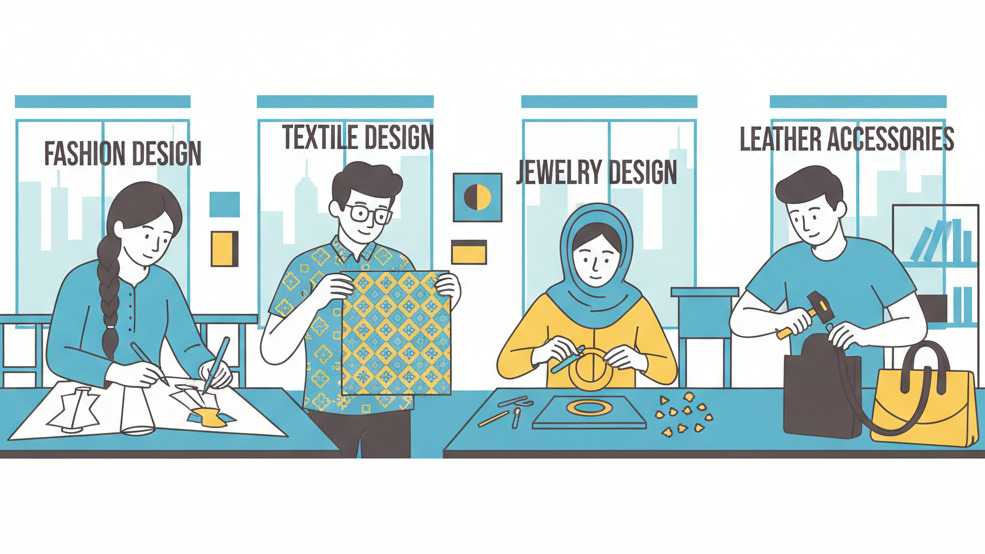
Because degree names and departmental offerings can change, always verify the latest list on the official admissions page. But the program logic usually stays the same. PIFD is built for students who want to understand both design and industry use.
Common specialization paths
- Fashion design — clothing design, fashion illustration, pattern making, garment construction, and collection development.
- Textile design — print design, surface design, weaving, fabric development, and material research.
- Jewelry design — concept development, ornament design, technical detail, and product presentation.
- Leather accessories and footwear design — bags, shoes, belts, product form, and material handling.
- Fashion marketing and merchandising — retail presentation, brand planning, buying, sales, and consumer insight.
For many students, the program choice should follow the job they want later. If you like fabric surfaces and color systems, textile design in Pakistan may fit better. If you enjoy styling, silhouettes, and collection ideas, fashion design may be a better match.
There is also growing demand for luxury brand management in Pakistan and fashion marketing skills in Pakistan. That is because many labels now need people who understand both creative work and sales channels. A student with design sense plus business awareness can move faster in the market.
For extra reading on job options after graduation, Trainee.in’s find jobs page can help you see active openings across related roles.
What Student Life Looks Like at PIFD
Design students usually care about more than lectures. They want studio life, critiques, exhibitions, group work, and the chance to show work in public. That is why student life is a major factor in PIFD admissions decisions.

At PIFD, the appeal is usually the studio-based rhythm. Students spend time in labs, workshops, and project spaces, then present work to teachers and peers. That kind of setting helps build confidence. It also mirrors how the industry works, where ideas are tested, revised, and presented under pressure.
What students value most
- Critiques and feedback — students learn how to defend and improve design decisions.
- Exhibitions and fashion shows — these events help students build visibility.
- Specialized labs — useful for hands-on work in textiles, jewelry, and product development.
- Peer learning — students often improve through group work and informal sharing.
- Portfolio building — every project can become part of a graduate portfolio.
Campus culture in a design institute is usually very different from that of a lecture-heavy university. Students spend more time making, revising, and presenting. That can be demanding, but it also creates stronger habits for real design work.
In 2026, employers in the creative industries in Pakistan increasingly expect a graduate to show real work. A strong campus culture helps with that because it gives students more project material, more presentation practice, and more confidence.
Campus Culture, Studios, Labs, and Design Showcases
One reason students search for the best design university in Pakistan is the studio environment. A design school is only as good as the work it makes students do every week. PIFD’s value comes from being close to practical learning and public showcasing.
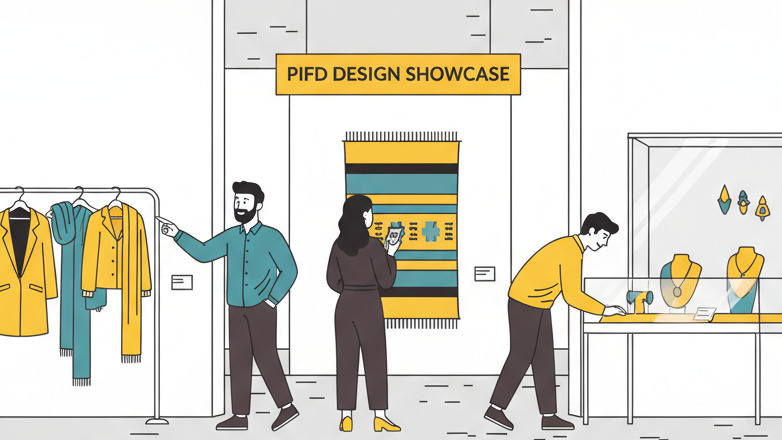
Students in design colleges often learn through repeated making. They sketch, draft, cut, stitch, test, and present. That process is more useful than memorizing long theory notes. It also makes the transition to jobs easier because design jobs are project-driven.
Public showcases also matter. Fashion shows, exhibitions, and end-of-semester displays help students see how their work looks in real light and real space. They also create early professional exposure. A strong showcase can lead to internship calls, freelance contacts, or brand attention.
In a market where digital and physical work now overlap, students should also learn tools like Adobe Illustrator, Adobe Photoshop, and 3D fashion design tools. In 2026, fashion and design careers often require digital workflows, AI-assisted moodboarding, e-commerce content production, and virtual sampling.
If you are building those digital skills too, Trainee.in’s blog and salary trends pages are useful for broader career research.
Career Paths After PIFD: Jobs, Freelancing, and Entrepreneurship
PIFD is not only for students who want to become fashion designers. The broader set of design careers in Pakistan includes many roles where creative skill meets production, branding, and sales. That is important because the job market is wider than most applicants expect.
Common career paths
- Fashion designer
- Textile designer
- Print or surface designer
- Accessory designer
- Merchandiser
- Product developer
- Visual merchandiser
- Fashion marketer
- Brand manager
- Costume designer
- Creative entrepreneur
Some jobs are salaried. Others are project-based or freelance. If you like variety, you may work with a brand, then take custom orders on the side. If you want stability, you may join a retail label, textile mill, or export house.
The market in Pakistan still rewards a strong portfolio. In 2025, employers increasingly prioritized portfolios, internships, and real project work over credentials alone. That means your assignments, final collection, and internship work can matter more than your GPA.
What helps you get hired
- A focused portfolio with your best 8–12 pieces.
- Strong sketching and visual communication.
- Basic garment construction and pattern making.
- Software skills in Illustrator and Photoshop.
- Understanding of branding and visual identity.
- Experience with internships, live projects, or freelance work.
Students who want to move into fashion marketing in Pakistan or retail brand roles should also understand social media content, product photography, and online selling. That matters because fashion marketing now depends heavily on Instagram, short video, and direct-to-consumer ecommerce.
Salary Expectations for Fashion and Design Graduates in Pakistan
Salary depends on city, brand size, and portfolio strength. Karachi and Lahore often pay more than smaller markets. Export houses may also pay differently from fashion labels or retail brands.
Here is a practical view of current ranges for Pakistan and the UAE:
- Pakistan: Junior fashion designer — PKR 40,000–90,000/month
- Pakistan: Textile designer/print designer — PKR 50,000–120,000/month
- Pakistan: Fashion merchandiser/product developer — PKR 60,000–150,000/month
- Pakistan: Brand/marketing roles in fashion retail — PKR 50,000–140,000/month
- Pakistan: Independent designer/studio owner — Highly variable
- UAE: Fashion designer / assistant designer — AED 5,000–15,000/month
These ranges are broad because design pay is very portfolio-sensitive. A candidate with good software skills, clean presentation, and internship experience can often move higher than a candidate with only classroom work.
In Pakistan, textile and apparel work remains important because the sector still drives a large share of employment. That means textile-focused paths can be especially practical. A student with textile knowledge may also fit export companies better than a pure fashion illustration profile.
If you want to compare offer levels across roles, Trainee.in’s salary trends page is a useful starting point.
Notable PIFD Alumni and Their Industry Impact
A strong alumni network matters because it shows where graduates actually end up. In the case of PIFD, alumni influence can be seen across fashion houses, textile brands, retail labels, artisan-led businesses, and independent designer labels. The institute’s biggest impact is not one celebrity name. It is the steady flow of designers and managers shaping Pakistan’s creative economy.
Many PIFD graduates work in label development, fabric sourcing, retail merchandising, and brand building. Others build their own names in bridal wear, luxury wear, accessories, or handcrafted products. Some move into teaching, consulting, or production roles. That range is a sign of a healthy design institution.
Because public alumni records are not always easy to verify on one page, applicants should look for named graduate work through official exhibitions, fashion week coverage, brand websites, and social profiles. When you research alumni, focus on what they actually do. Are they designing collections, managing brands, or building businesses? That gives you a better picture than a title alone.
For students, alumni stories matter for another reason. They show that design can become a serious career, not just a hobby. They also show different routes: salaried roles, freelance work, studio ownership, and brand partnerships.
Internships, Industry Partnerships, and Live Project Opportunities
In 2026, employability is a major part of the value of any design school. Students do not just want classes. They want access to internships, live projects, and employer networks. That is why industry partnerships are central to how people evaluate PIFD admissions.
PIFD is widely associated with industry-facing education. That means internships and exhibitions are not extra features. They are part of the learning model. Students want exposure to brands, manufacturers, and production teams while they are still studying.
Why internships matter so much
- They help you understand deadlines and team workflows.
- They give you work samples for your portfolio.
- They improve your chances of getting hired after graduation.
- They teach you how brands operate in real settings.
- They help you choose between design, marketing, and production paths.
Live projects are useful for the same reason. A project with a brand or manufacturer teaches practical problem-solving. You learn how to design for a budget, a target customer, and a deadline. That is much closer to real work than a classroom brief alone.
Students should also look at nearby industry ecosystems. Karachi has strong fashion and retail networks. Lahore has a deep creative and apparel base. Both cities offer more internship access than smaller markets, though local opportunities can still be valuable.
If you want help turning internships into job offers, Trainee.in’s career guides can help you prepare better questions, a better portfolio, and a better follow-up plan.
How PIFD Fits Into the Future of Fashion in Pakistan
The future of fashion design in Pakistan is changing quickly. The strongest trends are clear: sustainability, circular design, digital workflows, modest fashion, and stronger use of e-commerce and creator-led marketing. PIFD fits this future well because its specialist model supports both design and industry thinking.
In 2025, sustainable fashion and circularity became mainstream topics in many markets. Pakistan is not separate from that shift. Brands increasingly need people who understand responsible sourcing, material reuse, traceability, and product longevity. That opens space for students trained in textile design, surface design, and material research.
Digital fashion workflows are also growing. 3D garment visualization, AI-assisted moodboarding, and virtual sampling are becoming more common. That does not replace hand skills. It adds another layer. A strong graduate now needs both sketching ability and digital confidence.
Modest fashion and occasionwear also remain strong demand areas in Pakistan. That is important because these categories create regular work in retail, bridal, and export markets. At the same time, fashion marketing keeps shifting toward short-form video, Instagram commerce, and direct-to-consumer sales. So students who learn branding and visual identity can add real value.
For students comparing the best design university in Pakistan, the key question is simple: Does the institute prepare you for real work in the market? PIFD’s specialist structure suggests yes, especially for students who want skill-first training, not just theory.
Common Mistakes to Avoid
Many applicants make avoidable mistakes during PIFD admissions or while studying. These mistakes can weaken both admission chances and career outcomes.
- Applying without checking the latest requirements. Always verify eligibility, deadlines, and the fee structure on the official website.
- Ignoring the portfolio. A neat portfolio can matter a lot in design admissions and later jobs.
- Choosing a program without understanding the career path. Fashion, textile, jewelry, and leather lead to different job options.
- Focusing only on drawing. Design work also needs product thinking, software skills, and presentation.
- Skipping internships. Real project experience can improve both confidence and job offers.
- Not learning digital tools. Adobe Illustrator, Photoshop, and 3D tools are now part of the job market.
Another common mistake is assuming a design degree alone is enough. In 2026, employers want proof of execution. If you can show collection work, styling, software use, and production awareness, you will stand out more.
Frequently Asked Questions
What programs does PIFD offer for aspiring fashion and design students?
PIFD is best known for specialized programs in fashion design, textile design, jewelry design, leather accessories and footwear design, and related creative disciplines. Prospective students should check the latest departmental offerings and degree names on the official admissions page.
How do I apply for admission to PIFD?
Most applicants should expect an online or form-based application process, entry test requirements, and an interview or portfolio review, depending on the program. Always verify the current admission schedule, eligibility criteria, and document checklist on PIFD’s official website.
Is a strong art background required for PIFD?
A formal art background can help, but the most important factor is usually creative aptitude, drawing or presentation ability, and performance in the admission test or portfolio assessment. Many students improve their chances by practicing sketching and preparing a small creative file before applying.
What careers can PIFD graduates pursue?
Graduates can work as fashion designers, textile designers, accessory designers, merchandisers, product developers, stylists, visual merchandisers, fashion marketers, brand managers, costume designers, and creative entrepreneurs. Some also move into teaching, retail planning, or production roles.
Does PIFD help students with internships and industry exposure?
PIFD is widely associated with industry-facing education, so internships, studio projects, exhibitions, and employer exposure are key parts of the value proposition. Applicants should verify the latest placement and internship support directly from the institute.
What skills are most important for fashion and design careers in 2026?
Portfolio development, trend research, digital design software, garment construction, textile understanding, branding, visual communication, and business awareness are among the most valuable skills. Many employers also like candidates who understand e-commerce and content creation.
Conclusion
PIFD is a strong option for students who want focused training in fashion and design. It fits learners who want studio work, creative practice, and real industry exposure. It also matters because Pakistan’s textile and apparel sectors still create real career demand.
If you are comparing PIFD admissions with other design schools, look at the full picture: programs, entry tests, campus culture, internships, and career outcomes. The right choice is the one that matches your skills and the kind of work you want later.
For more support on applications, portfolios, and job search planning, explore Trainee.in’s blog, career guides, and find jobs page.
If you are planning your next step after design school, Trainee.in can help you compare roles, build a stronger application, and search for early-career openings that fit your path.
