


Pakistan's official language policy is often described too simply. In practice, Urdu, English, and several regional languages all shape how people work, study, and communicate. If you want to build a career in Pakistan or work with Pakistani teams, you need to understand this mix.
Urdu is the national language and a shared public language. English still carries most of the weight in government, law, higher education, and formal business. Regional languages also matter a great deal in local markets, hiring, and daily workplace trust.
Pakistan’s Official Languages: What the Constitution and Practice Actually Say
The Pakistan official language picture has two layers. Urdu is the national language and a symbol of unity. English remains the main official language used in administration, courts, higher education, and corporate work.
This is why the common idea that “everyone speaks Urdu” is not accurate. Pakistan has over 70 languages spoken across the country (2025). Urdu is a first language for only about 7–8% of the population, though it works as a lingua franca for many more people (2025).
For job seekers, this matters. A hiring manager may expect your CV, email, and report in English, but your interview or daily coordination may still shift into Urdu.
Why Urdu Matters Beyond National Identity
Urdu is more than a national symbol. It helps people build rapport, handle customers, and work across different regions. In many offices, Urdu is the language of quick explanations, team bonding, and informal problem-solving.
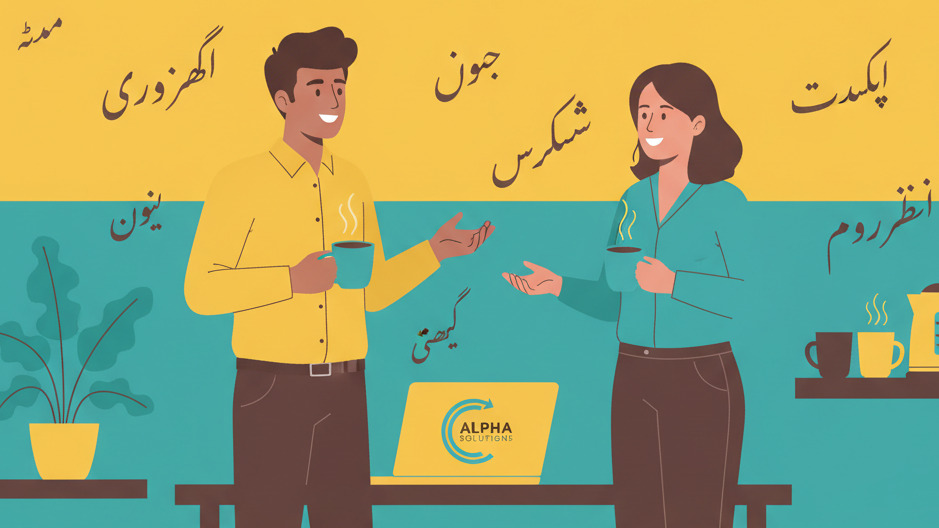
It is also useful in public-facing work. If you work in customer support, sales, media, or government outreach, Urdu can make your communication warmer and clearer. That is one reason many employers in Pakistan value workplace bilingualism.
Where Urdu helps most
- Internal team communication
- Customer support and call handling
- Retail, sales, and field visits
- Public-sector interactions
- Content localization and copywriting
If you are a foreign professional, learning functional Urdu can make everyday work easier. You do not need perfect grammar at first. Simple greetings, polite requests, and basic workplace phrases already help a lot.
English in Pakistan: The Language of Institutions and Opportunity
English is central to business English in Pakistan hiring standards. It is the language of many university programs, bank documents, legal papers, corporate presentations, and cross-border communication. In formal settings, English is often the default written language.

That is why English skills for jobs in Pakistan are such a strong advantage. Employers in banking, telecom, consulting, NGOs, IT, and multinational firms often expect clear English in emails, reports, interviews, and client calls. A large share of formal-sector job listings in Pakistan still ask for English communication skills (2025).
For fresh graduates, this can affect both entry-level hiring and salary growth. In Pakistan, fresh graduate corporate and analyst roles often fall around PKR 70,000–160,000 per month, with stronger English fluency helping in banks, telecom, consulting, and multinationals. If you are comparing roles, check salary trends before you apply.
Practical English skills employers notice
- Business writing
- Short, clear emails
- Presentation skills
- Interview answers in simple English
- Report writing and documentation
If you want to improve, focus on business English Pakistan use cases, not textbook grammar alone. Practice writing one-page summaries, client emails, and short speaking answers.
Regional Languages and Their Real Economic Impact
The languages spoken in Pakistan include Punjabi, Pashto, Sindhi, Balochi, Saraiki, and many more. These are not minor background languages. They shape local media, community trust, politics, and business reach.
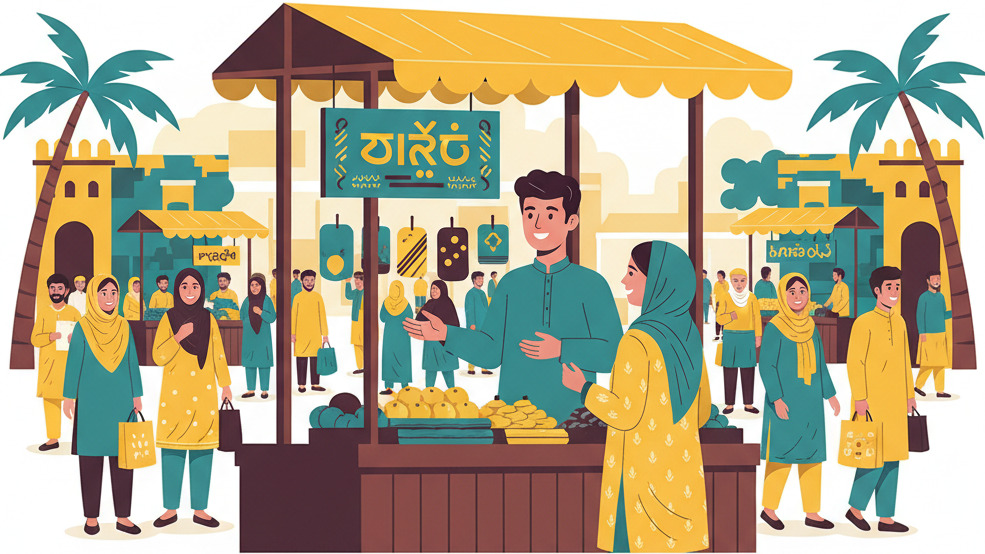
For employers, regional language skills can raise performance in sales, field operations, and community-based work. In non-urban markets, speaking the local language can improve trust quickly. That is why regional sales and field roles in Pakistan may pay around PKR 50,000–140,000 per month, with local language fluency helping both hiring and incentives.
Regional languages also matter in the creator economy. Urdu copywriting and regional-language marketing are becoming more valuable in social commerce, agencies, and media teams. If you work in content, translation, or customer engagement, this is a real edge.
How Language Policy Shaped Pakistan’s Professional Culture
The Pakistan language policy history comes from post-independence nation-building. Urdu was promoted as a unifying language, while English kept its high status after colonial rule. That old structure still shapes schools, offices, and elite institutions today.
This is why many people in Pakistan grow up with mixed language exposure. They may study in English-medium schools, speak Urdu at work, and use a regional language at home. The result is a professional culture where multilingual switching is normal.
English still signals formal education and administrative access. Urdu signals social ease and broad reach. Regional languages signal local identity and trust. Knowing when to use each one is a practical career skill, not just a language skill.
Multilingualism in Pakistani Workplaces
Multilingualism in Pakistan workplace settings is now a real hiring theme. Employers increasingly want people who can write in English, speak in Urdu, and adapt their tone for different audiences.

This is especially true in remote and hybrid jobs. Teams serving global clients need polished written English. At the same time, local onboarding, sales calls, and support chats often work better in Urdu. Content teams, recruiters, and customer support staff are also expected to localize messages for different regions.
Here is a simple rule you can follow:
- Use English for formal writing, reports, and client-facing documents.
- Use Urdu for everyday coordination, rapport, and local customer contact.
- Use regional languages when the job depends on local trust or field work.
If you want more practical career advice, you can also read career guides and the Trainee.in blog.
Which Language Skills Matter for Career Aspirants?
For most students and fresh graduates, the best mix is simple: strong English, functional Urdu, and one regional language if your field needs it. That combination works well in interviews, internships, and first jobs.
English helps you pass screening stages and write professionally. Urdu helps you sound natural in local offices. A regional language helps if you work in sales, media, customer outreach, or community programs.
Think of language skills as job tools. The right mix can improve your interview readiness, workplace etiquette, and localization strategy.
Practical Language Tips for Jobs, Internships, and Interviews
- Prepare two versions of your introduction. One in English and one in simple Urdu.
- Write your CV in English. Most formal roles in Pakistan still expect it.
- Practice short interview answers. Keep them clear and direct.
- Learn common office phrases. Words like follow up, share, confirm, and schedule matter.
- Use Urdu for rapport. A polite Urdu line can make communication smoother.
- Match your language to the audience. Clients, managers, and field teams may need different tones.
If you are job hunting, check find jobs for openings where both English and Urdu both matter. If your written English needs work, use a CV writing guide and build from there.

Resources to Learn Urdu and Improve Business English
If you want to learn Urdu for professionals, start with practical tools. For Urdu, look for an Urdu language course online that focuses on speaking, reading, and workplace phrases. For English, focus on business writing and interview practice.
Useful options include Coursera, Google Career Certificates, and short communication courses from local trainers. For students in Pakistan, HEC Pakistan and AICTE-linked study resources can also help with academic English habits. For job-focused learning, practice with email templates, mock interviews, and short presentations.
Do not vaguely study language. Learn the words you will actually use at work.
Common Mistakes to Avoid
- Assuming Urdu is the mother tongue of most Pakistanis
- Ignoring regional languages in local hiring and customer work
- Writing formal emails in overly casual English
- Using hard vocabulary instead of simple, clear words
- Forgetting that many offices switch between English and Urdu
Salary and Market Insights
Language skills do not guarantee a salary by themselves, but they can raise your options. In Pakistan, bilingual candidates often get better shortlisting in customer-facing and corporate roles.
- Customer support/call center roles: PKR 45,000–120,000 per month
- Content writer / social media executive: PKR 60,000–180,000 per month
- Fresh graduate corporate/analyst roles: PKR 70,000–160,000 per month
- Regional sales/field operations: PKR 50,000–140,000 per month
- UAE South Asian customer support/coordination: AED 3,500–8,000 per month
In the UAE, Pakistani professionals often benefit from Urdu, Hindi, and Pashto in community-facing roles, even when English is the main office language.
Frequently Asked Questions
What are the official languages of Pakistan?
Pakistan’s constitutional and administrative reality is that Urdu is the national language and English is the main official language used in government, law, higher education, and business.
Is Urdu the most spoken language in Pakistan?
No. Urdu is the national language and a lingua franca, but it is not the mother tongue of most Pakistanis. Punjabi, Pashto, Sindhi, Saraiki, Balochi, and other regional languages have very large speaker bases.
Why is English so important in Pakistan?
English remains central in formal administration, elite education, corporate communication, legal documents, and international business. That makes it highly valuable for career growth.
Do you need Urdu to work in Pakistan?
Not for every role, but Urdu is extremely useful for day-to-day workplace communication, interviews, coordination, and building trust with colleagues and clients.
Which languages help most in Pakistan’s job market?
English and Urdu are the most broadly useful. Regional languages can create a strong advantage in sales, field operations, media, government outreach, and community-facing roles.
How can global professionals adapt to Pakistan’s language environment?
Use English for formal writing and presentations, learn functional Urdu for everyday interactions, and localize communication style based on region and audience.
Key Takeaways for Global Professionals
The Pakistan official language story is not just about one language. It is about a working mix of Urdu, English, and regional languages. That mix shapes hiring, office culture, and customer communication across the country.
If you understand when to use each language, you will communicate better and work more confidently. For global career aspirants, that is a practical advantage in Pakistan’s job market.
For more help with career planning, interview prep, and professional communication, explore Trainee.in career guides and related resources.
