


Many early-career jobs no longer look like they did a few years ago. New talent streams are now a real entry point for students, fresh graduates, and trainees who want work, skills, and proof of ability at the same time.
Instead of waiting for one full-time job, you can build experience through short projects, remote roles, internships, apprenticeships, and freelance work. This matters because employers are hiring for output more often now, not just for time spent at a desk.
If you understand how these paths work, you can use them to grow faster and avoid the trap of doing low-value work with no clear progress. This guide explains what new talent streams are, which ones are worth your time, and how to use them well in 2026.
What Are New Talent Streams?
New talent streams are non-traditional ways to start and grow a career. They include gig work, remote-first roles, project-based contracts, internships, apprenticeships, freelancing, creator economy work, and short training programs tied to real tasks.
The idea is simple. You do not need to wait for one stable employer to “start” your career. You can build employability through proof-of-work, portable skills, and repeated market exposure.
That shift matters for early-career professionals. A degree still helps, but it is no longer enough on its own in many fields. Employers want to see that you can write, coordinate, design, support customers, handle tools, and deliver on time.
In practice, new talent streams are not a single job type. They are a set of entry routes that help you get paid, learn, and build a track record at the same time.
Why New Talent Streams Matter in 2026
Work is changing fast, but the change is not only about AI. It is also about how companies hire, test talent, and structure work. In 2025, 40% of employers expected to reduce the workforce where AI can automate tasks. That means routine entry-level work is shrinking in some places, while judgment, coordination, and tool fluency matter more.
Another important shift is skill turnover. In 2025, 39% of existing worker skills were expected to be transformed or become outdated by 2030. That makes short projects and modular work experience more useful than a narrow first job that teaches only one process.
There is also a training gap. In 2025, 60% of workers were expected to need training before 2027, but only about half had enough access to training. New talent streams help close that gap because they often combine work with learning.
Remote and hybrid work are still a strong preference among younger workers. That has made remote-first hiring normal, not niche. If you can work well across tools and time zones, you can compete for roles outside your city or even outside your country.
For trainees and fresh graduates, the main point is simple. New talent streams are part of the NTSFuture of Work 2026, and they reward people who can show output clearly.
Types of New Talent Streams: Gig, Remote, Project-Based, Apprenticeships, and More
There is no single best path. The right option depends on your skills, your time, and your stage of growth. The most useful way to think about new talent streams is by the kind of work they offer.
Gig economy work
Gig work is short, task-based, and often paid per task or per project. It can include content posting, simple design work, data labeling, transcription, lead generation, and admin support. For students and fresh graduates, gig work can be a quick way to earn and build confidence.

It is useful, but not all gig work builds a career. If the tasks are random and low-value, you may earn money without learning much. Good gig work should help you build a repeatable skill, a client relationship, or a stronger portfolio.
Remote roles
Remote work is now one of the most common new talent streams. It can include remote internships, support roles, junior operations jobs, customer success, content ops, sales development, and design assistance. The big advantage is access. You can apply from Pakistan, India, or the UAE to companies anywhere if the role allows it.

Remote work also trains you to communicate asynchronously. That means you can update work clearly without long meetings. Employers value this because it saves time and reduces delays.
Project-based roles
Project-based jobs are limited-scope assignments with a clear outcome. A company may hire you to write five product pages, edit a campaign, research leads, test a feature, or support one launch. These roles are common in startups, agencies, and growth teams.
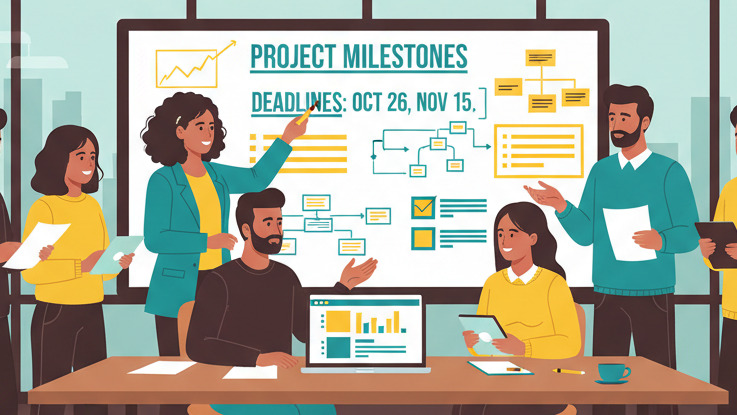
They are a strong option if you want early-career project-based jobs that show results fast. They also help employers test you before offering you a larger position.
Specialized apprenticeships
Apprenticeships are more practical than many academic paths because they teach a job through hands-on work. In some markets, you will also see occupation-specific training programs, bootcamps, or employer-linked apprenticeships. These are especially useful in support, operations, logistics, design, data, and technical roles.

If you are looking at specialized apprenticeship programs in the UAE, focus on programs that show real tasks, a named mentor, and a clear certificate or work reference at the end.
Freelancing and creator economy work
Freelancing includes writing, design, video editing, social media support, web updates, virtual assistance, and research. Creator economy work sits close to this. It includes content writing, community work, short-form video, and social media growth support.

For many students, freelance jobs in India can be a first step into marketing, content, or client work. The best part is that each project can become a sample in your portfolio.
Internships and micro-internships
Internships still matter, but short-paid projects are becoming more common. Micro-internships let companies test talent with limited risk. For candidates, that means more chances to prove ability without waiting for a full-time offer.
If you are searching for remote internships in Pakistan, filter for roles with clear tasks, dates, and contact details. A real internship should teach you something useful and give you work samples you can show later.
Benefits of New Talent Streams for Early-Career Professionals
The strongest benefit is speed. You can move from learner to working professional faster than through a long, passive wait for one full-time post. That matters when the market is crowded, and employers want evidence.
Another benefit is flexibility. You can combine study with work, or use several small roles to build income. That can be helpful in Pakistan, India, and the UAE, where many young people balance education, family duties, and relocation plans.
New talent streams also improve your market exposure. Each project gives you a chance to work with a new client, a new manager, or a new team. That makes it easier to get references and repeat work.
They also support career development for fresh graduates who need a bridge between college and full-time work. A short role in customer support, content ops, or design can teach you tools, speed, and communication habits that a degree alone may not cover.
There is also a strategic benefit. If you build a portfolio while working, your next application becomes stronger. You are not just saying you can do the work. You are showing it.
Common Challenges in New Talent Streams and How to Solve Them
New talent streams are useful, but they are not always smooth. The main risk is fragmentation. You can collect short jobs, but still have no clear career path if you never document your results or move toward better roles.
Here are the main problems and how to deal with them.
- Unclear progress: Keep a simple record of each project, the result, the tools used, and what improved.
- Low pay: Use low-paid work only if it gives you a strong sample, a good reference, or access to a better client later.
- Poor communication: Send short updates, confirm deadlines, and summarize next steps in writing.
- Skill gaps: Learn the most common tools for your field, such as Excel, Canva, Google Docs, Notion, or basic AI tools.
- Weak trust: Show reliability through on-time delivery, clean files, and clear messages.
The strongest NTS candidates do not try to do everything. They pick one or two paths and improve steadily. That is better than jumping across random tasks with no record.
How to Find Real New Talent Streams Opportunities
Many articles talk about opportunity, but they do not explain how to find it. In practice, you need a mix of job boards, direct outreach, and community access. That is how you find real new talent streams instead of noisy listings.
Start with trusted platforms.
Use LinkedIn, Internshala, Naukri, Rozee.pk, Bayt, GulfTalent, and the company career pages. These platforms are useful because they let you compare role quality and check employer names before applying.
If you want entry-level remote jobs in the UAE, look for companies that list clear responsibilities, location rules, and tools. Avoid listings that are vague, unpaid, or ask for too much work before an interview.
Check startup and agency channels.
Startups and agencies often hire through direct posts, founder pages, and community groups. These roles may not always be perfect, but they often give faster exposure to real work. That is useful if you want to build proof quickly.
Use alumni and referral networks.
Many good roles never get broad public visibility. Ask seniors, alumni, and instructors where they found their first projects. A warm introduction can save time and reduce the risk of fake listings.
Look for signs of a real opportunity
- Clear role title and tasks
- Defined duration or project scope
- Named company or verified recruiter
- Pay or compensation details
- Application steps that make sense
- No pressure to pay upfront
If a role asks you to buy access, share private IDs too early, or do unpaid sample work that looks like real deliverables, pause and check carefully.
How to Build a Portfolio That Gets You Hired
For most new talent streams, your portfolio matters more than your certificate stack. Employers want proof that you can do the work now, not only that you studied it.
If you are wondering how to build a portfolio for an internship or for a junior freelance role, use a simple format. You do not need a fancy website at first. A clean Google Drive folder, Notion page, or PDF can work.
What to include in your portfolio
- About you: A short intro with your role, interests, and tools.
- 3 to 6 samples: Real work samples, mock projects, or class projects improved for presentation.
- Mini case studies: For each sample, explain the task, your process, the tools used, and the result.
- Contact details: Add email, LinkedIn, and any relevant profile links.
- Proof of reliability: Add testimonials, references, or short notes from past clients or mentors if you have them.
Keep each case study short. A few plain sentences are enough. For example: “I created a three-post content set for a student brand. I used Canva and Google Docs. The goal was to improve engagement for internship applicants.”
That format works because it shows outcome, tools, and clarity. It also helps recruiters scan fast.
Good portfolio examples by field
- Content: Blog posts, captions, email drafts, product descriptions, case study summaries
- Design: Posters, social media carousels, brand mockups, simple UI screens
- Operations: Spreadsheets, trackers, SOPs, scheduling samples, process maps
- Support: Ticket replies, FAQ drafts, customer scripts, knowledge base articles
- Tech support: Bug reports, test cases, documentation, troubleshooting notes
Strong portfolios help you compete in gig economy jobs for fresh graduates because they reduce guesswork for employers.
NTS Skills Employers Want in 2026
In 2026, the best candidates will not only know one tool. They will know how to work well in a digital setting. That means they can communicate clearly, use AI tools without confusion, and keep work moving across time zones.
The most useful skills are practical and visible. They show up in your work sample, your messages, and your turnaround time.
Core skills
- Asynchronous communication: Writing clear updates without needing constant calls
- Remote collaboration: Working well in shared docs, task boards, and chat tools
- AI tool literacy: Using AI to draft, research, summarize, or organize work responsibly
- Basic data handling: Sorting, cleaning, and reading simple spreadsheets
- Problem solving: Fixing small issues before they become bigger delays
- Time management: Meeting deadlines without reminders
- Portfolio writing: Explaining your work in simple, short language
Helpful tools
- Canva: For simple design, social posts, and presentations
- Google Workspace: For docs, sheets, slides, and shared work
- Notion: For portfolios, trackers, and project notes
- LinkedIn: For profile building and outreach
- Coursera and Google Career Certificates: For structured learning
These skills are useful across content, operations, sales support, and customer-facing roles. They also help in career development for fresh graduates because they transfer across jobs.
NTS in Pakistan, India, and the UAE
Opportunity looks different in each market, but the pattern is similar. Digital, remote, and project-based work are growing faster than many traditional entry paths.
Pakistan
In Pakistan, the strongest clusters are digital marketing, content operations, customer support, design, software support, data labeling, and startup coordination. Many candidates use Rozee.pk, LinkedIn, and direct outreach to agencies and startups.
Typical ranges include:
- Entry-level freelance content writing / social media support: PKR 25,000–80,000 per month equivalent
- Junior remote VA / operations support: PKR 40,000–120,000 per month equivalent
Rates vary a lot by portfolio strength, English fluency, niche, and whether the client is local or international. Strong writers, coordinators, and support candidates often earn more once they show reliable delivery.
India
India has a larger supply of internship and freelance platforms, so competition is high, but access is broad. Internshala, Naukri, LinkedIn, startup groups, and alumni networks all matter.
Typical ranges include:
- Intern / junior freelancer in content, design, or digital marketing: INR 10,000–45,000 per month for internships; INR 15,000–60,000 per month equivalent for project-based freelance work
- Entry-level software support / QA / data operations: INR 20,000–70,000 per month
Metro hubs and startup firms often pay more, but remote work has widened access to clients across India and abroad. That is useful if you want freelance jobs for students in India that fit around study hours.
UAE
In the UAE, early-career work often shows up in coordination, admin support, customer success, retail operations, hospitality, and digital marketing. Bayt, GulfTalent, LinkedIn, and company sites are important here.
Typical ranges include:
- Trainee / junior coordinator / administrative support: AED 4,000–9,000 per month
- Entry-level digital marketing/content/customer success: AED 5,000–12,000 per month
English-first teams, agency environments, and growth-stage companies may pay on the higher side. If you want specialized apprenticeship programs in the UAE, focus on ones that include real tasks and a clear mentor structure.
Future of Work: Where New Talent Streams Are Heading Next
The NTS Future of Work 2026 is being shaped by AI, remote hiring, and more outcome-based work. This does not mean all entry-level jobs will disappear. It means the work will change.
Junior roles will increasingly include tool use, workflow support, and communication tasks that AI cannot handle well on its own. That creates room for people who can work with digital systems, check quality, and keep projects moving.
We are also seeing more portfolio-first hiring. Employers want evidence of work. A degree or certificate helps, but a clean sample, a short case study, or a strong referral can carry more weight in the first screen.
Micro-internships and short projects are also growing. Companies use them to test reliability before longer hiring decisions. For candidates, this is a chance to prove value in a short time.
Another trend is cross-border remote hiring. If you can work asynchronously and communicate clearly, you can apply beyond your city. That matters for students in smaller towns and for candidates who want more options.
The next phase of new talent streams will reward people who treat small roles as building blocks. If each role gives you a skill, a sample, and a reference, your career compounds over time.
Common Mistakes to Avoid
Many candidates try new talent streams but do not get the full benefit. The problem is usually not effort. It is structured.
- Taking random work: Do not accept every task. Choose roles that build a clear direction.
- Ignoring proof: Save samples, screenshots, links, and results from every project.
- Using weak communication: Slow replies and unclear messages can hurt trust fast.
- Chasing only money: Low-value work can trap you if it never adds skills or references.
- Skipping tool learning: Basic AI tools, spreadsheets, and collaboration apps are now part of entry-level work.
- Not checking legitimacy: Always verify the employer, scope, and payment terms.
The best way to avoid these mistakes is to think in terms of progression. Ask yourself whether each role gives you stronger proof than the last one.
Resources for Navigating New Talent Streams
You do not need to figure this out alone. A few reliable sources can make the path easier.
- Browse trainee jobs and early-career roles
- Read more career guides for fresh graduates
- Improve your CV with a simple CV writing guide
- Explore the Trainee.in blog for job-market updates
- Check salary trends by role and region
You can also use LinkedIn, Internshala, Naukri, and Rozee.pk, Bayt, GulfTalent, Coursera, Google Career Certificates, HEC Pakistan resources, and AICTE-linked training listings where relevant. The key is to compare options and keep a record of what each one offers.
Frequently Asked Questions
What are New Talent Streams (NTS)?
NTS are non-traditional and emerging entry routes into work,k such as gig jobs, freelancing, remote roles, apprenticeships, internships, and project-based contracts. They help early-career professionals gain experience, income, and portfolio evidence.
They are especially useful when you want work experience before a full-time job arrives. They can also help you test different paths faster.
How is NTS different from a traditional job?
A traditional job usually means one employer, a fixed role, and longer-term employment. NTS are more flexible and can be short-term, project-based, remote, or platform-mediated.
They often focus on outcomes rather than hours. That makes them easier to fit around study or skill-building.
Which NTS are best for fresh graduates?
The best options are usually internships, micro-internships, apprenticeships, remote support roles, junior freelance projects, content operations, design tasks, sales development, and entry-level tech support.
These roles help you build measurable experience quickly. They also give you material for your portfolio and interviews.
How can I stand out in NTS hiring?
Show a portfolio with real work samples, write short case studies, and make your communication clear. Employers want to see what you did, how fast you did it, and whether they can trust you.
Tool fluency also helps. If you can use Canva, Google Workspace, Notion, or simple AI tools well, you will have an edge.
Are NTS reliable for long-term career growth?
Yes, if you use them with a plan. NTS can speed up skill-building and market visibility, but you should move from small tasks to larger projects over time.
Try to collect repeat clients, stronger references, and roles with more responsibility. That is how short work turns into long-term growth.
What skills matter most for NTS in 2026?
Digital communication, AI tool use, remote collaboration, problem solving, time management, basic data handling, content creation, customer support, and adaptability matter most.
These skills show up in almost every strong entry-level path. They also make it easier to work across teams and time zones.
How do I find legitimate NTS opportunities?
Use trusted job boards, company career pages, LinkedIn, internship portals, startup communities, freelancer marketplaces, alumni networks, and verified apprenticeship or training program listings.
Check for clear tasks, real company details, and sensible application steps. If something looks rushed or vague, slow down and verify it first.
Conclusion
New talent streams are becoming a practical way to start a career in 2026. They give you income, skills, and proof of work at the same time.
If you choose the right path, keep your portfolio updated, and learn the tools employers expect, you can move faster than waiting for one perfect job. The key is to treat every small role as part of a bigger plan.
For early-career professionals in Pakistan, India, and the UAE, this is one of the clearest ways to build real market value. The earlier you document your work, the easier it becomes to move up.
If you want more practical help, visit Trainee.in career guides and browse current trainee jobs to find roles that fit your stage.
