


If you are looking at newspaper express jobs in 2026, the application process is no longer just about good writing. Newsrooms now want people who can write, verify, publish, and adapt across web, social, video, and mobile formats. That means your CV, portfolio, and interview answers all need to show digital readiness, not only basic reporting skills. This guide explains what to expect and how to prepare practically.
How to Get a Job at Newspaper Express in 2026
The best way to approach newspaper express jobs is to think like a newsroom editor. They want proof that you can handle speed, accuracy, and digital publishing under pressure. They also want candidates who understand how journalism jobs are changing in a post-2025 media market.

Start by checking public job boards, LinkedIn, and media career pages. If Newspaper Express does not post a clear hiring page, search for similar roles under titles like reporter, sub-editor, digital producer, news writer, or editorial assistant. In many cases, the job title is more general than the work itself.
- Read the job post closely and match your CV to the listed tasks.
- Prepare 4 to 6 strong clips that show reporting, editing, or digital work.
- Show basic CMS, SEO, and social publishing skills.
- Tailor your cover note to the outlet’s tone and audience.
- Follow up politely if the application window is still open.
If you need a broader starting point, browse current trainee jobs and the Trainee.in blog for related media hiring advice.
What Newspaper Express Looks For in 2026 Candidates
For media careers 2026, hiring teams care about more than a degree. They look for newsroom-ready habits that save time and reduce mistakes. That includes strong news sense, fast drafting, clean copy, and calm work under deadlines.
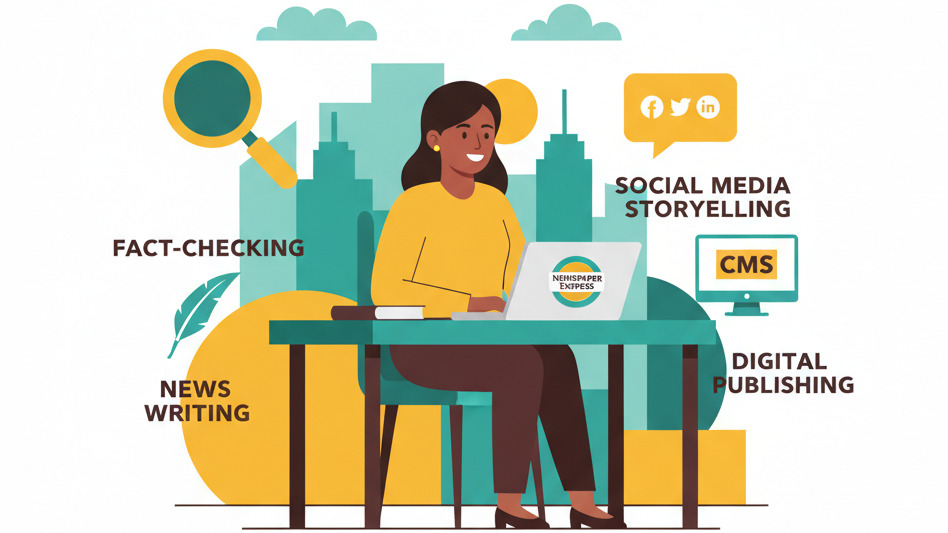
For newspaper express jobs, these skills matter most:
- News writing that is clear and accurate.
- Copy editing with clean grammar and strong attention to detail.
- Headline writing that fits web and print needs.
- Fact-checking and source verification before publication.
- Digital publishing using CMS tools and basic SEO.
- Social media storytelling for short updates and story promotion.
Many newsrooms now expect early-career media candidates to publish across platforms. A reporter may write a story, create a short social caption, and help shape a video script. That is why digital journalism is now a core part of the job.
The Skills Journalists Need in a Digital-First Newsroom
In 2026, the strongest applicants bring a mix of old and new skills. Good reporting still matters. But it is no longer enough on its own.
AI skills for journalists
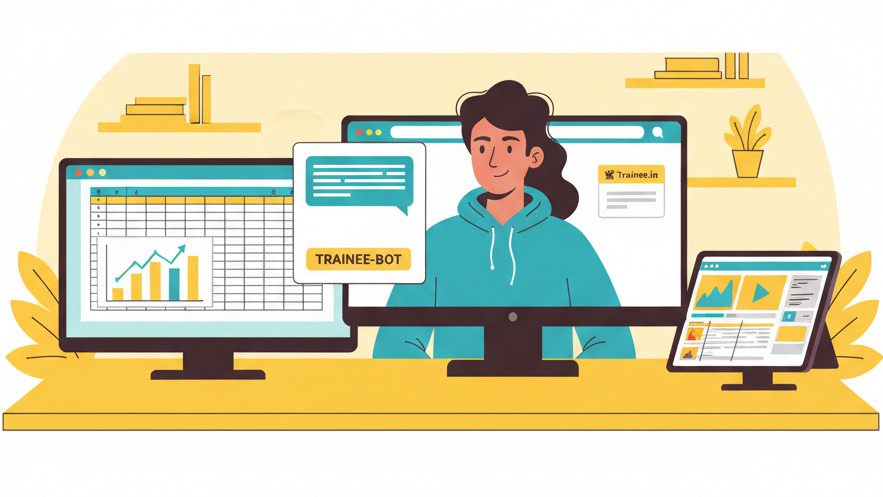
AI tools are useful for transcription, summary drafts, and research support. But newsrooms do not want blind trust in tools. They want judgment. If you mention AI skills for journalists, show that you can verify outputs, protect sources, and check facts before anything goes live.
Data journalism skills
Data journalism skills help you stand out because they turn numbers into useful stories. You do not need to be a data scientist. You do need to know how to work with spreadsheets, public records, and simple charts. Even basic Excel skills can help you extract a story from raw information.
Useful tools to learn include Excel, Google Sheets, Canva, basic video editing apps, and CMS platforms such as WordPress or similar newsroom systems. If you want structured learning, try career guides for early professionals, Coursera, or Google Career Certificates.
How to Build a Journalism CV and Portfolio
A strong journalism CV portfolio is often more important than a long list of education details. Employers want proof of work. They want to see what you wrote, edited, published, or helped produce.

Your CV should be short, clean, and tailored to the role. Put the most relevant work near the top. Add links to your clips, published articles, video samples, or social explainers. If you worked on a college publication, mention the role and what you handled.
Include numbers where you can. For example, say you edited 15 student stories per month, increased newsletter clicks, or handled breaking updates during an event. Even small numbers help show real newsroom experience.
Your portfolio should include:
- 3 to 5 published news clips
- 1 feature or long-form article
- 1 explainer or data story
- 1 short video or social post sample
- 1 example of clean editing or headline work
If you need a stronger base, use the CV writing guide on Trainee.in before you apply for media jobs.
Interview Tips for Newspaper and News Media Jobs
Newsroom interview questions often test how you think, not just what you know. Editors may ask what you would do if a breaking story came in late, if a source seemed unreliable, or if a headline needed to change after new facts appeared.
Prepare short answers for these areas:
- News judgment: Why is this story important now?
- Ethics: What would you do if a source wanted anonymity?
- Deadline handling: How do you stay accurate under pressure?
- Platform strategy: How would you adapt one story for web, social, and video?
When answering, use a real example from college media, internship work, or freelance clips. Keep your answers direct. Avoid vague lines about being passionate about journalism. Editors hear that often. They want evidence.
Salary and Market Insights for 2026
Pay varies by city, outlet size, and whether the role includes digital work. In many cases, newspapers express jobs that include SEO, social, or video duties pay more than print-only roles.

- Pakistan: Junior reporter, sub-editor, or content writer in digital news — PKR 35,000–90,000 per month
- Pakistan: Experienced reporter or digital producer — PKR 90,000–180,000 per month
- India: Junior journalist or digital content role — INR 3.5–8 lakh per year
- India: Reporter, deputy editor, or multimedia journalist — INR 8–18 lakh per year
- UAE: Junior reporter, editorial assistant, or digital newsroom role — AED 6,000–12,000 per month
- UAE: Experienced journalist or multimedia producer — AED 12,000–25,000+ per month
The UAE market is especially active. In 2025-2026, there were about 500,000 annual job openings across sectors, and digital-heavy sectors showed strong hiring. That matters because media roles now compete with other communication and content jobs for the same talent pool.
Career Paths Inside a Major News Organization
Once you enter a newsroom, growth is often more specialized than before. A junior reporter may move into a beat role, then into a more focused track. Good media careers 2026 often lead to audience growth, investigative reporting, data reporting, video journalism, newsletter strategy, or newsroom operations.
That is why you should not apply with a one-size-fits-all profile. Show the direction you want. If you like numbers, show data journalism skills. If you like fast coverage, show breaking news clips. If you like audiences, show social or SEO work.
For broader job search support, you can also explore salary trends on Trainee.in to compare roles across regions.
Common Mistakes to Avoid
- Sending the same CV to every outlet.
- Listing AI tools without showing verification skills.
- Using a portfolio with only student work and no published clips.
- Ignoring headline writing, SEO, or CMS basics.
- Giving long interview answers without a clear example.
- Assuming a journalism degree is enough on its own.
Many applicants also forget the basics. Typos, broken links, and missing contact details still remove strong candidates from the shortlist.
Frequently Asked Questions
What skills does Newspaper Express likely want in 2026?
Expect a mix of core journalism skills and digital capability. Strong writing, editing, fact-checking, social media awareness, CMS publishing, basic analytics, AI-assisted research, and data handling all matter. Newsrooms want people who can work across platforms.
Do I need a journalism degree to get hired?
Not always. Many newsrooms care more about clips, proof of reporting ability, ethical judgment, and whether you can work quickly across digital formats. A strong portfolio can carry a lot of weight.
How do I make my CV stand out for media jobs?
Tailor it to newsroom work, include links to published stories and multimedia samples, list relevant tools, and show measurable impact such as audience reach, engagement, or turnaround speed. Keep it clear and short.
What should be in a journalism portfolio in 2026?
A strong portfolio should include breaking news clips, features, explainers, headline samples, video or audio work, data-driven stories, and examples of clean copy editing or fact-checking. Keep the best pieces first.
How important is AI for entry-level newsroom roles?
Important, but not as a replacement for reporting. Employers want candidates who can use AI for efficiency while maintaining verification, editorial standards, and source protection. That balance is the real skill.
What do news employers ask in interviews?
They often test news judgment, ethics, deadline management, familiarity with current events, ability to write under pressure, and how you would handle breaking or sensitive stories. They may also ask how you would adapt content for different platforms.
Conclusion
Getting into newspaper express jobs in 2026 is about showing practical newsroom value. You need solid writing, fast judgment, digital publishing skills, and proof that you can work across formats. A tailored CV and a focused portfolio can make a real difference. If you prepare those pieces well, you will be much closer to a serious interview.
For more help before you apply, explore the Trainee.in the blog and the latest jobs page to keep your search active.
