


NetApp's emerging talent programs are a practical way for students and recent graduates to enter enterprise tech. In 2026, many early-career applicants will look for real work, clear learning, and a path to full-time roles. NetApp fits that need well because its teams work on cloud, storage, and data infrastructure used by large customers.
This guide explains what NetApp internships 2026 may look like, what skills matter, how to apply, and how to prepare for interviews. It also covers location limits, likely pay ranges, and how these roles can support career growth.
What Is NetApp’s 2026 Emerging Talent Program?
NetApp's emerging talent is the company’s early-career hiring pipeline for students and recent graduates. It usually includes internships, graduate roles, rotational entry points, or structured early-career jobs. The exact 2026 dates, roles, and locations should be checked on the official NetApp careers page before you apply.

For most candidates, the value is not just the brand name. It is the chance to work on real products, learn from mentors, and understand how enterprise systems support customers at scale. That makes NetApp jobs for graduates attractive for people who want more than a short summer placement.
Why NetApp Is Worth Considering for Early-Career Professionals
Many tech firms offer internships, but not all give you real ownership. NetApp's early career programs are useful because they tend to combine project work, mentor support, and cross-functional learning. That matters if you want to build skills that transfer to other cloud and infrastructure roles later.
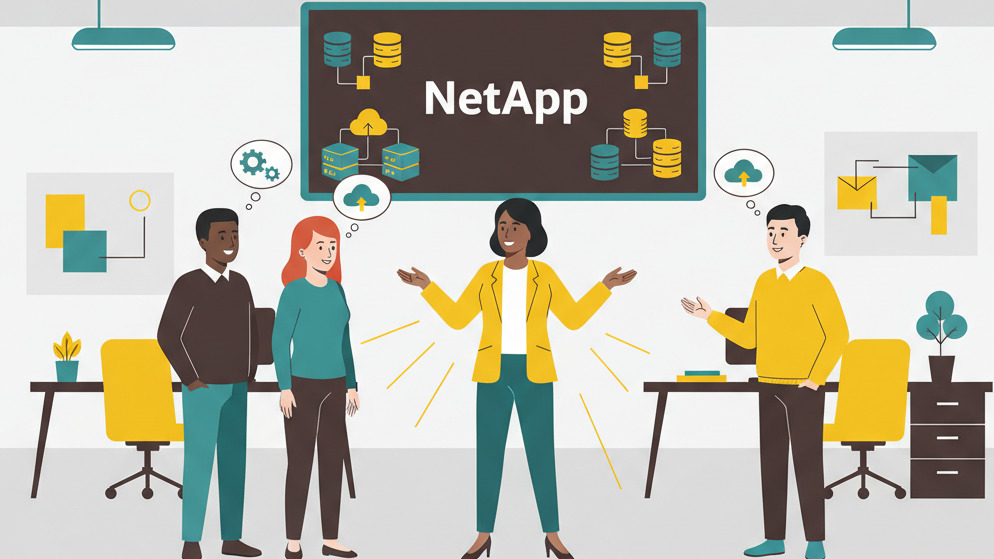
There is also a wider market reason. In 2025 and 2026, employers are placing more weight on practical problem-solving and communication, not just grades. Cloud and data infrastructure roles remain strong because they teach systems thinking, data handling, and product awareness.
At the same time, internship programs have a positive impact on career development. The OECD’s 2025 guidance also notes that at least four months is a useful benchmark for a meaningful internship, because longer placements often create better learning and hiring outcomes. That is a good sign for structured NetApp emerging talent tracks.
If you want to compare options, it helps to look at other enterprise tech firms too, such as IBM, Cisco, Dell, and Oracle. NetApp sits in the same broad space, but its storage and data focus can be a strong fit if you want exposure to infrastructure that powers business systems and AI-ready data pipelines.
Roles and Tracks You May Find in NetApp Emerging Talent Hiring
The exact openings will vary by country and team, but NetApp internships 2026 are likely to include technical and business-facing paths. Look for roles in engineering, product, support, operations, sales engineering, or customer success.
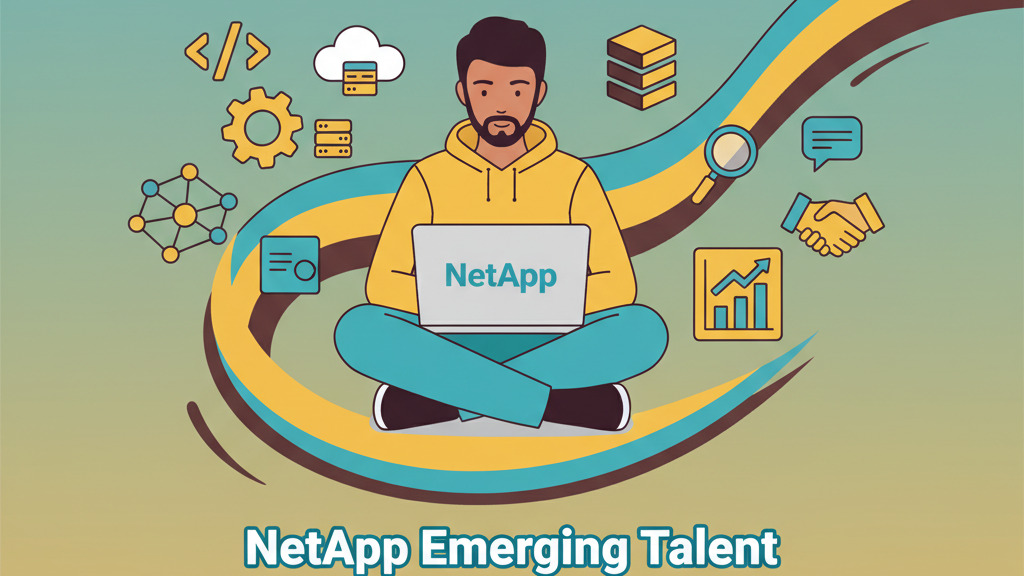
Common early-career tracks
- Software engineering for coding, testing, and feature work.
- Cloud or infrastructure roles tied to storage, systems, and deployment.
- Data-related roles for SQL, analytics, and data handling tasks.
- Business and customer roles that need clear communication and problem-solving.
If you are applying from Pakistan, India, or the UAE, check whether the role is remote, hybrid, office-based, or tied to a specific legal entity. Visa and work-authorisation rules can matter more than salary in early-career hiring. Some roles may be open to local candidates only.
Skills NetApp Looks For in Interns and Graduates
NetApp emerging talent candidates should show both technical ability and a willingness to learn. You do not need to know everything. But you should show that you can solve simple problems and work with others.
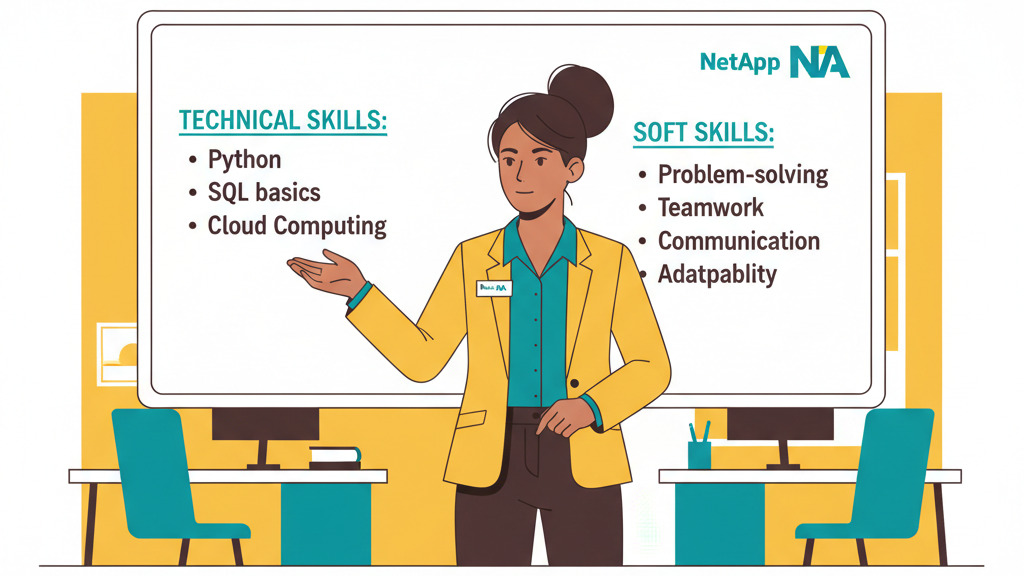
Technical skills to show on your CV
- Cloud fundamentals
- Data storage concepts
- Enterprise software awareness
- Python, Java, or JavaScript
- Linux basics
- Git and GitHub
- SQL
Soft skills that matter in 2026
- Problem-solving
- Clear communication
- Teamwork
- Adaptability
- Curiosity about how products work
In South Asia, employability skills are getting more attention in career development discussions. That means you should not treat communication as a bonus skill. For NetApp careers, it is part of the job because enterprise teams must explain issues clearly to engineers, managers, and customers.
How to Apply for NetApp Early-Career Opportunities in 2026
The NetApp application process is usually easier when you break it into steps. Start by checking the official NetApp careers page, then match your profile to a role that fits your degree and skill set. After that, tailor your CV and cover note to the job description.

- Search for the right role on NetApp careers and read the full description.
- Match your skills to cloud, software, data, support, or business tasks.
- Update your CV with projects, certifications, and measurable results.
- Prepare proof such as GitHub links, portfolio work, or case studies.
- Apply early because internship windows can close quickly.
For students in India, it also helps to watch LinkedIn, Internshala, and Naukri for related openings. In Pakistan, Rozee.pk is worth checking. In the UAE, Bayt and GulfTalent can be useful, especially for graduate or trainee roles. You can also build your base with Coursera, Google Career Certificates, HEC Pakistan, or AICTE-linked resources where relevant.
Resume Tips for NetApp Internships and Graduate Roles
Your CV should show fit, not just effort. That means you should write the exact tools, projects, and outcomes that connect to NetApp jobs for graduates. Avoid long skill lists with no proof.
Use simple, direct bullets. For example, write: “Built a Python script that cleaned 5,000 rows of sales data” instead of “worked on data processing.” If you have no internship history, use academic work, hackathons, club projects, volunteering, or certifications.
Try to shape your resume around enterprise needs. Mention Linux, SQL, GitHub, and cloud basics if you have them. If you worked on a group project, explain your role and the result.
For more help, you can review Trainee.in’s CV writing guide and other career guides before you apply.
How to Prepare for NetApp Interviews
NetApp interview tips should focus on clarity, basics, and evidence. Expect questions about your projects, your thinking process, and how you work in a team. Some roles may also include technical screening or an online assessment.
Prepare short answers for these common areas:
- Why NetApp and not another tech company?
- What project are you most proud of?
- How did you solve a difficult bug or group issue?
- What do you know about storage, cloud, or data systems?
When you answer, keep it specific. Talk about what you did, what changed, and what you learned. If you get stuck on a technical question, explain your reasoning. Employers often care as much about your process as the final answer.
Also, prepare one simple question for the interviewer. For example, ask how interns work with full-time teams, or what a successful first month looks like. That shows interest without sounding rehearsed.
Common Mistakes to Avoid
Many early applicants lose out because their applications are too generic. Avoid these mistakes when applying for NetApp emerging talent roles:
- Sending the same CV to every role.
- Listing skills you cannot explain.
- Ignoring location, visa, or work-authorisation details.
- Writing vague project descriptions with no result.
- Skipping research on NetApp company culture and products.
Another common mistake is focusing only on prestige. If you want a strong long-term start, look at mentorship, project depth, and conversion potential. A structured internship often teaches more than a short, brand-heavy placement.
Salary and Market Insights for Early-Career Tech Roles
NetApp does not always publish region-by-region pay for early-career roles, so treat these as market estimates rather than confirmed NetApp figures.
- India: INR 25,000–80,000 per month for software engineering intern or graduate tech roles.
- UAE: AED 4,000–10,000 per month for tech intern or graduate trainee roles.
- Pakistan: PKR 30,000–120,000 per month for remote tech internship or early-career program roles.
- US benchmark: USD 25–45 per hour for enterprise tech internships, sometimes with housing or relocation support.
In the UAE, relocation and visa support can matter as much as pay. In Pakistan, remote multinational roles often pay above local averages. In India, pay can vary a lot by city, team, and whether the role is an internship or fixed-term graduate hiring.
Frequently Asked Questions
What is NetApp’s Emerging Talent program?
It is NetApp’s early-career hiring pipeline for students and recent graduates. It usually includes internships, graduate roles, or structured entry-level opportunities focused on future talent.
Who should apply for NetApp early-career roles?
Students and recent graduates in computer science, engineering, data, product, business, or related fields should apply. The best fit is someone who wants hands-on work in enterprise tech.
What skills are most important for NetApp internships?
Core technical ability, problem-solving, communication, collaboration, and an interest in cloud, storage, data management, software, or enterprise technology are the main skills. You do not need to be an expert in all of them.
How can I improve my chances of getting selected?
Tailor your CV to the role, highlight projects and measurable outcomes, prepare for behavioural and technical interviews, and show curiosity about NetApp’s products and customers. A generic application usually gets ignored.
What should I write if I lack work experience?
Focus on academic projects, hackathons, internships, volunteering, clubs, certifications, and any work that shows initiative, teamwork, and technical growth. That is enough to show potential if it is written clearly.
How do early-career opportunities at NetApp help with long-term growth?
They can provide mentorship, practical experience, cross-functional exposure, and a pathway into full-time roles in technical or business functions. That is why NNetApp's company culture matters as much as pay.
What It’s Like to Start Your Career at NetApp
New joiners usually benefit most when they get real tasks early. That is what makes NNetApp's emerging talent appealing. If the program is well structured, you can learn how enterprise teams build, test, and support products used by large customers.
That kind of exposure is useful for long-term growth. It can help you move into software, cloud, data, support, product, or customer-facing work later. It also gives you stories you can use in future interviews.
Conclusion
NetApp's emerging talent programs are a strong option for early-career candidates who want practical learning in tech. They are especially relevant if you want cloud, data, or enterprise product exposure. The best applicants are not always the ones with the longest résumés. They are often the ones who explain their projects clearly and match their skills to the role.
If you are serious about NetApp careers, start with the official posting, then tailor your CV and interview prep to the job. Small details matter here, especially for location, work rights, and role fit.
For more help with applications, browse current jobs on Trainee.in, compare options in salary trends, and read more career articles before you apply.
