

A national science talent contest can do more than give you a prize. In 2026, it can also help you build a real STEM profile for scholarships, internships, and research roles. The best projects are not always the flashiest. They are usually clear, useful, and backed by simple proof.
If you are a student or early-career applicant, the right contest can help you show skills that employers and universities value. That includes research design, data analysis, scientific writing, and presentation skills. It can also give you people to learn from, which matters more than many first-time applicants expect. For more career prep, see the career guides on Trainee.in.
Why Science Talent Contests Matter for Early-Career STEM Growth
A national science talent contest is not only about winning a medal. It is a test of how you think, how you explain ideas, and how you handle feedback. That is why contest results can support your CV, scholarship file, or internship application.
In the UAE, there are about 500,000 annual job openings in 2026, and technology vacancies grew by 20% in the 2025–2026 market review. Banking, finance, and HR roles also rose, which shows that analytical and communication skills travel well across sectors. In Pakistan, India, and the UAE, this kind of early proof can help you stand out for trainee roles, research assistant jobs, and innovation programs.
Contest work also builds portable skills. You learn to form a hypothesis, collect data, document results, and present under pressure. Those are useful in labs, startups, universities, and even corporate analytics teams.
How to Find the Right National Science Contest in 2026
Start with official sources. A national science talent contest usually appears on ministry pages, school circulars, university outreach pages, STEM foundations, and youth innovation hubs. You should also check official social media channels because deadlines are often posted there first.
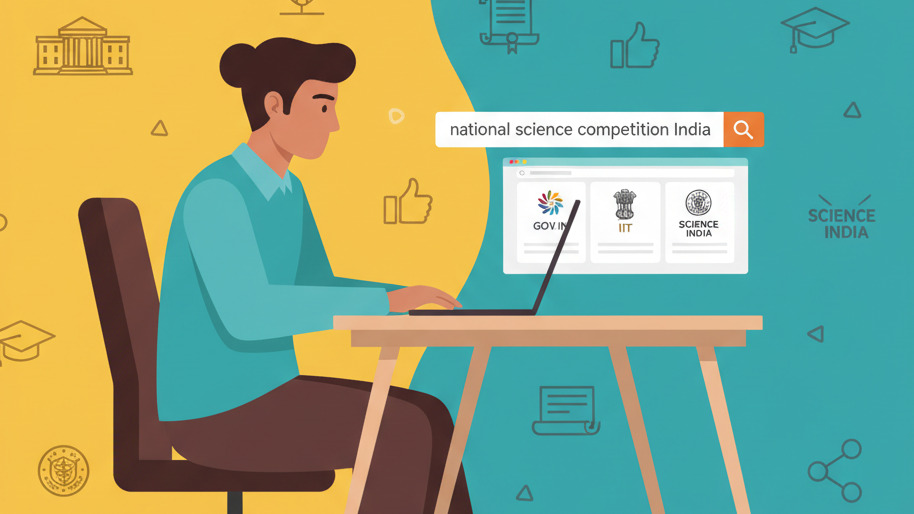
- Search the national education board and science ministry websites.
- Check school, college, and university notice boards.
- Follow recognized STEM foundations and science fairs.
- Look at the official pages for the Trainee.in a blog for career-related updates.
- Watch for region-specific routes like national science competition Pakistan, national science competition India, and science talent contest UAE pages.
Do not trust random reposts of deadlines. Always open the original rulebook. That is where you will find the real science contest deadlines 2026, eligibility rules, and submission format.
Check these details first.
Before you start a youth innovation contest application, confirm the age limit, education level, team size, and whether your project needs institutional approval. Some contests allow solo entries only. Others require school endorsement or a teacher advisor.
Eligibility Rules for Science Fair 2026 Applications
Many applicants lose time because they skip the rulebook. Science fair 2026 eligibility can differ a lot between school, college, and early-career sections. A project that fits one category may not fit another.
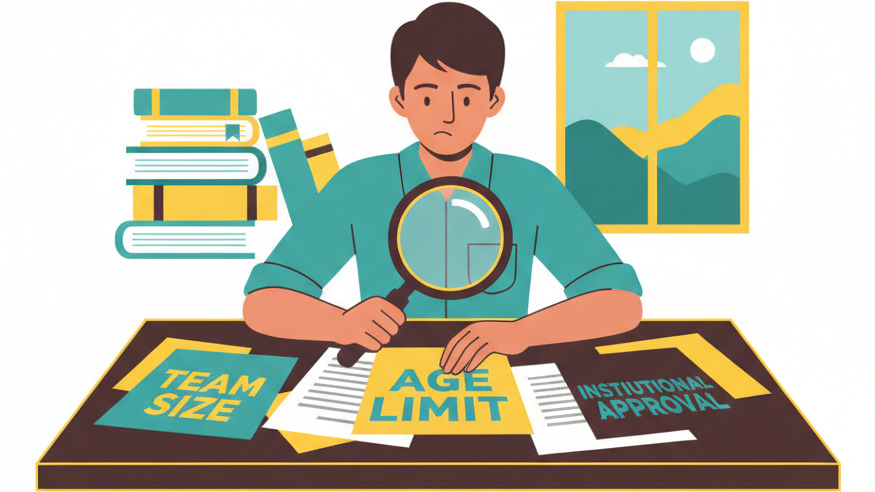
Look for these points in the rules:
- Age or class level — some contests are for school students only.
- Education level — others allow undergraduates or fresh graduates.
- Team size — solo, pair, or small group.
- Ethics or safety approval — needed for health, biology, or human data projects.
- Submission format — report, video, poster, abstract, or prototype demo.
If you are unsure, ask the organizer early. A simple email can save weeks of wasted work.
How to Build a Strong Application Before the Deadline
The strongest national science talent contest applications look neat, specific, and realistic. Judges usually prefer a clear idea with a strong method over a huge idea with no proof. That is why how to win a science competition often starts with discipline, not creativity alone.
- Read the rules on day one. Note the deadline, format, and scoring points.
- Pick a real problem. Use something local, measurable, and relevant.
- Write a short hypothesis. Keep it testable and simple.
- Plan your method. Show what you will measure and how.
- Collect evidence. Use photos, charts, logs, and test results.
- Get feedback early. Ask a teacher or mentor to review the draft.
For application tracking, make a checklist with dates. Add time for revisions, poster design, and final practice. If your contest has a portfolio or statement of intent, keep the language plain and direct.
Winning Science Project Ideas 2026: What Judges Remember
The best winning science project ideas 2026 are likely to focus on problems people can see now. Judges are paying more attention to measurable impact. They also want ideas that can work within the contest timeline.
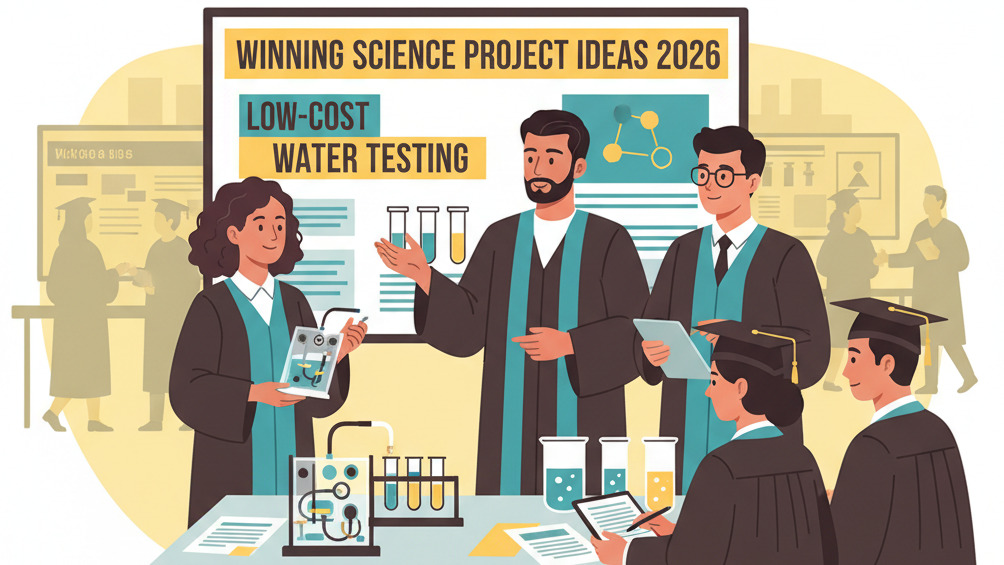
Strong 2026 themes include:
- Climate resilience and heat mitigation
- Low-cost water testing and water quality
- Clean energy and waste reduction
- AI for science and data analysis
- Health tech and low-cost diagnostics
- Food security and smart agriculture
Projects that mix hardware and software are also gaining ground. For example, a low-cost sensor linked to a mobile dashboard can be stronger than a poster-only idea. But the model must still be easy to explain. Judges do not reward hidden complexity if the method is unclear.
Simple beats flashy when the method is better
A small project with good testing often wins against a big concept with weak evidence. That is the pattern many first-time applicants miss.
How to Present Your Project Like a Champion
Good science fair presentation tips can change results, even when the project is strong. In many contests, final judging depends on how well you explain your work. Your poster, abstract, and demo should tell one clear story.
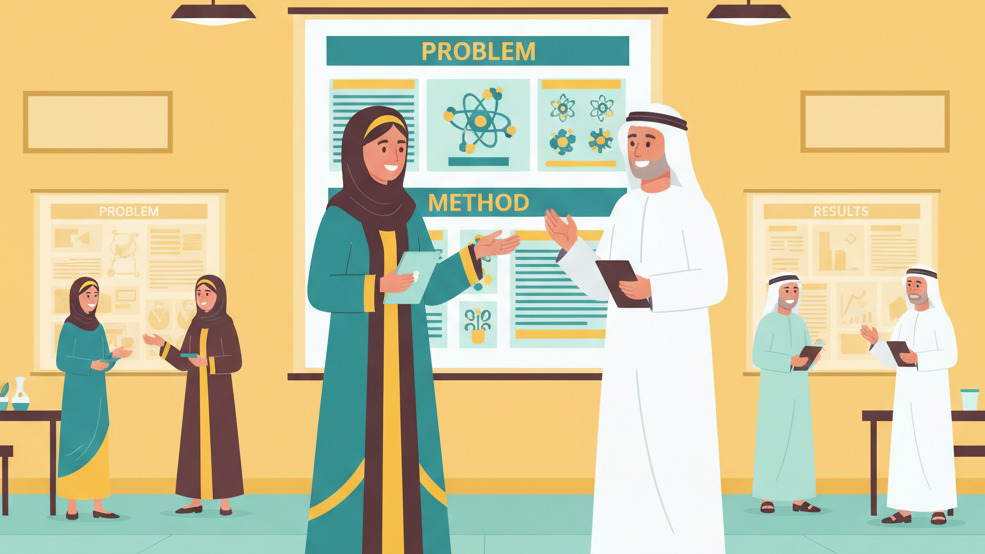
Use this structure in your pitch:
- Problem
- Why it matters
- Your hypothesis
- Method
- Results
- Limits
- Next steps
Keep your language simple. If you use AI tools for analysis, explain exactly what they did. Judges in 2026 want honest methods, not vague claims. Practice answering basic questions without memorizing a script.
For more help on presentation and communication, check the salary trends page and think beyond the contest itself. Strong communication helps in interviews, too.
Where to Find Mentors, Judges, and Technical Advisors
Many contestants improve fast when they get help from the right people. STEM mentorship programs for students can come from teachers, university labs, startup incubators, and professional societies. You do not need a personal connection to start.
Try these steps:
- Ask a science teacher or lab instructor for one review meeting.
- Email a university department with a short project summary.
- Contact local startup incubators or innovation hubs.
- Look for public webinars by research groups or professional bodies.
- Join student science clubs and maker communities.
Mentors help with method, safety, and clarity. They also help you see what is possible within your deadline. That is often the difference between a half-finished idea and a contest-ready project.
Common Mistakes to Avoid
- Starting late and rushing the final draft.
- Choosing a topic that is too broad or too expensive.
- Ignoring eligibility rules and submission format.
- Using complex language that your judges may not need.
- Skipping data collection or using weak evidence.
- Presenting a polished poster with no real method behind it.
Another common mistake is treating the contest as a one-time event. A good project can become a portfolio piece, a paper draft, a patent idea, or a startup prototype. That is where the long-term value comes from.
Salary and Market Insights for STEM Contest Participants
Contest success will not replace work experience, but it can strengthen your path into paid roles. Here are simple market ranges for early-career STEM tracks:
- Pakistan: PKR 35,000–120,000/month for trainee, research assistant, and early innovation roles.
- India: INR 20,000–80,000/month for entry-level STEM, lab, and analytics roles.
- UAE: AED 5,000–15,000/month for graduate trainee, junior analyst, lab assistant, and innovation associate roles.
- Other benefits: Scholarships, incubator stipends, travel grants, and research access can matter more than salary at this stage.
This matters because early-career STEM employers often look for proof of initiative. A strong contest record can support internship applications on LinkedIn, Internshala, Naukri, and Rozee.pk, Bayt, and GulfTalent.
Frequently Asked Questions
How do I find national science talent contests in 2026?
Check national science ministries, education boards, university outreach pages, STEM foundations, youth innovation hubs, and recognized competition platforms. Also, watch school circulars and official social media for deadlines.
What makes a project competitive in 2026?
A competitive project solves a real problem, uses a testable method, and shows clear data or prototype results. Practicality and evidence matter more than complexity alone.
Do I need a university lab to win?
Not always. Many strong projects use low-cost materials, open-source tools, field testing, or simulated datasets. Good documentation and a clear presentation can carry a lot of weight.
How early should I start?
Start as soon as the contest is announced. Give yourself enough time for eligibility checks, topic selection, mentor feedback, experiments, and practice.
What should I include in my pitch?
Include the problem, hypothesis, method, materials, results, limits, impact, and next steps. Judges want both scientific thinking and clear communication.
Can this help my career later?
Yes. Contest participation can strengthen scholarship applications, admissions, internships, research roles, and startup or incubator applications.
Conclusion
A national science talent contest in 2026 is a practical way to build skills that matter after school or university. The best entries are clear, useful, and backed by evidence. If you start early, follow the rules, and get one good mentor review, your project will already be stronger than many others.
It is also worth thinking beyond the event itself. A good contest project can become part of your portfolio, and that can help in internships, admissions, and trainee roles.
For more practical support on internships, CVs, and early-career planning, visit the Trainee.in jobs page.
