
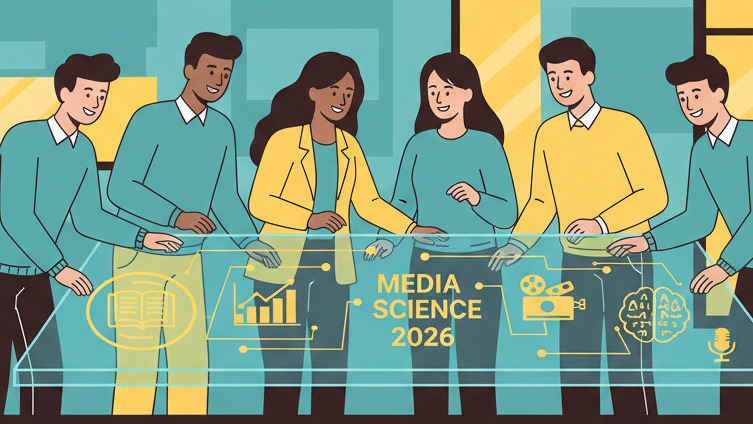
Media science in 2026 is not just about journalism or TV. It now connects storytelling, digital media, data, design, and AI-led workflows. For students and fresh graduates, this makes media science a practical career launchpad with many entry points.
The field is changing quickly, but that also creates room for people who can learn fast. If you want work that blends creativity with technology, media science careers are worth a close look.
What Is Media Science?
Media science is an interdisciplinary field that studies how media is created, distributed, consumed, and measured across platforms. It combines communication, journalism, production, digital content, design, audience behavior, and more use of data and AI tools.
Many students confuse it with only mass communication or only journalism. In reality, media science degree jobs now span digital media careers, content operations, brand communication, and platform strategy.
Why Media Science Matters in 2026
The media industry is moving from old broadcast models to digital-first, audience-led systems. That means employers now want people who can write, edit, analyze, and adapt across formats.
This shift matters because AI-exposed jobs are seeing skills change 66% faster than other jobs in 2025. Wages are also rising twice as quickly in industries most exposed to AI. In simple terms, media science careers that include AI, analytics, or automation skills can become more valuable than purely manual work.
There is also a human side to this. Only 20% of employees worldwide were engaged in 2025. Young professionals want work that feels useful, creative, and varied. Media science can offer that if you build the right skills.
How Media Science Has Evolved from 2025 to 2026
In 2025, many media teams still worked in separate silos. Writers wrote, editors edited, and social teams posted. In 2026, those lines are thinner. Teams now expect people to handle content planning, short-form video, metadata tagging, audience analysis, and repurposing work for different platforms.
AI has not removed the need for media professionals. It has changed the work. Repetitive tasks like transcription, basic editing, and tagging are now often assisted by AI. That gives early-career people more time to focus on judgment, style, and audience fit.
This is why the media science scope in 2026 is broader than before. The best candidates can work across tools and formats without losing quality.
Core Disciplines Within Media Science
Media science sits across several practical areas. If you understand these, it becomes easier to choose your first path.

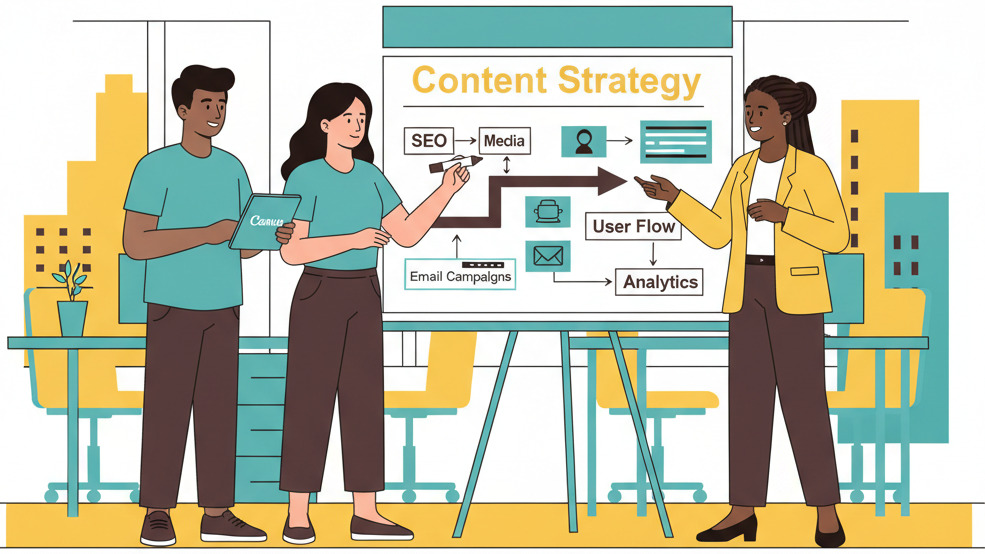
- Content strategy — planning what to publish, where, and why.
- Copywriting — writing clear text for brands, pages, or campaigns.
- Video editing — cutting, polishing, and repurposing video for platforms.
- Motion graphics — making short visual animations and explainers.
- Social media management — posting, scheduling, replying, and tracking results.
- Audience analytics — reading dashboards and learning what content works.
- SEO for content — helping articles and pages get found online.
- Interviewing and reporting — gathering facts, quotes, and stories.
- Design thinking — shaping content around the real user or viewer.
These disciplines also overlap with a content strategist career, social media executive jobs, and other media careers for fresh graduates.
Emerging Media Science Roles for Early-Career Professionals
One reason media science is useful is that it opens doors into adjacent roles. You do not need to stay inside one narrow job title.
- Content creator — makes posts, short videos, or written content.
- Social media coordinator — manages pages and tracks engagement.
- Video editor — edits reels, explainers, interviews, and ads.
- Production assistant — supports shoots, schedules, and coordination.
- Digital copywriter — writes for websites, ads, and brand campaigns.
- Media planner — helps choose channels and content timing.
- Junior journalist — reports, writes, and helps publish stories.
- Communications associate — supports internal or external brand messaging.
- Content operations assistant — handles workflows, uploads, and asset tracking.
Many of these roles sit inside agencies, newsrooms, startups, OTT teams, tech firms, and corporate communications departments.
Skills You Need to Build a Career in Media Science
Employers in 2026 are not only asking for creativity. They want hybrid skills. You need enough technical fluency to work with modern tools and enough judgment to know what good content looks like.
Technical skills
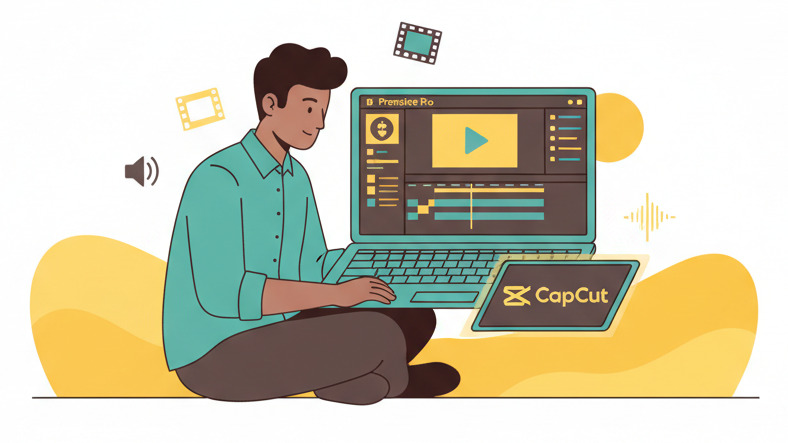
- Basic video editing in tools like Premiere Pro or CapCut
- Simple design work in Canva or Figma
- CMS use, such as WordPress or other publishing systems
- Reading analytics in Meta Business Suite, YouTube Studio, or Google Analytics
- AI-assisted content workflows for drafting, tagging, or repurposing
Soft skills
- Clear writing
- Interviewing and listening
- Teamwork
- Deadline management
- Attention to detail
If you build even three or four of these well, your profile becomes stronger for digital media careers and media science degree jobs.
How to Get Started: Degrees, Internships, and Portfolios
You do not need a perfect pedigree to enter this field. A strong portfolio often matters more than theory alone.

- Choose one starting lane — writing, video, design, or analytics.
- Make sample work — publish posts, edit videos, or create a small page.
- Learn basic tools — use LinkedIn Learning, Coursera, or Google Career Certificates.
- Apply for media internships — look on LinkedIn, Internshala, Rozee.pk, Naukri, Bayt, and GulfTalent.
- Collect proof — keep screenshots, links, metrics, and testimonials in one portfolio.
If you want a first job without a formal internship pedigree, show output. A page you managed, a video you edited, or an article that performed well is strong evidence.
Where the Jobs Are: Pakistan, India, and the UAE
The job market for media science is not limited to classic media houses. Growth is also coming from agencies, startups, ecommerce brands, OTT teams, and corporate content departments.
- Pakistan: content, social media, and junior media roles often pay PKR 35,000–150,000/month. Multinationals, agencies, and remote clients usually pay more than traditional outlets.
- India: digital media, content, and social media roles usually start around INR 3.5–10 LPA. Performance marketing, video, and branded content can move faster.
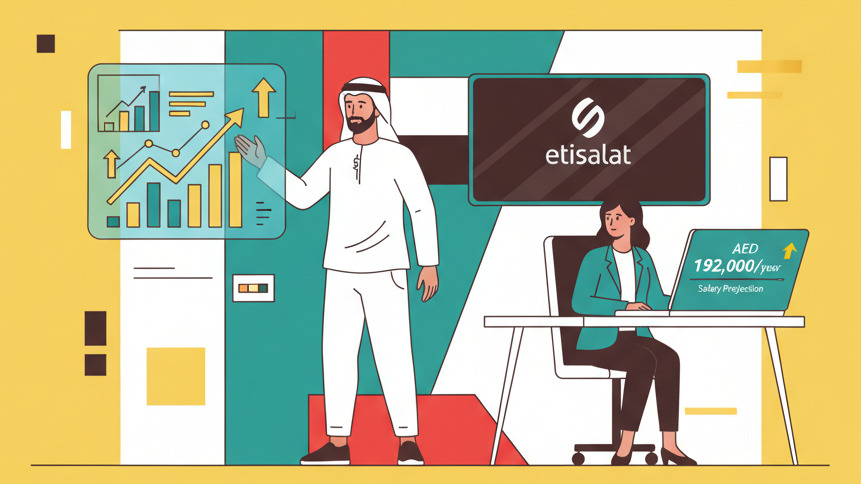
- UAE: digital content, media, and communications roles often range from AED 6,000–18,000/month. Tech, corporate communications, and agency roles can pay more. A market benchmark for IT and software-adjacent content and communications roles is around AED 192,000/year.
The UAE is especially important. It has about 500,000 job openings every year in 2026, and the technology sector has seen a 20% increase in job vacancies. That spillover helps people with AI, analytics, and platform skills.
Future Outlook for Media Science Professionals
The media science scope in 2026 is shaped by three trends: AI-assisted production, platform-native storytelling, and local-language content. Teams want faster output, but they also want content that feels human and relevant.
That means the strongest professionals will be adaptable. If you can move between writing, editing, analytics, and platform management, you will likely stay employable for longer.
Media science is also becoming more cross-functional. The next wave of jobs may sit between media, marketing, product communication, and creator economy work. That is good news for early-career people who want more than one path.
Common Mistakes to Avoid
- Thinking media science is only journalism.
- Ignoring data and analytics.
- Learning tools without making real work.
- Applying with no portfolio or samples.
- Using one format only, like writing, but no video or social work.
- Waiting for a perfect internship instead of starting small.
Frequently Asked Questions
What is Media Science?
Media science is an interdisciplinary field that studies how media is created, distributed, consumed, and measured across platforms. It combines communication, journalism, production, digital content, design, audience behavior, and increasingly data and AI-driven workflows.
Is Media Science a good career in 2026?
Yes, if you are interested in creative work, digital platforms, storytelling, and fast-changing technologies. The strongest opportunities are in digital content, social media, video production, audience analytics, and communication roles that use AI tools.
What jobs can I get after studying Media Science?
Common entry roles include content creator, social media coordinator, video editor, production assistant, digital copywriter, media planner, junior journalist, communications associate, and content operations assistant.
Do I need technical skills for Media Science?
Yes, basic technical fluency is increasingly important. Early-career professionals should know content tools, analytics dashboards, editing software, CMS platforms, and AI-assisted workflows.
How is AI affecting Media Science careers?
AI is automating repetitive work such as transcription, tagging, basic editing, and content repurposing, while increasing demand for people who can supervise quality, shape strategy, and apply judgment.
How can a student get started in Media Science?
Start by building a portfolio: write, design, edit video, manage a page, analyze audience data, and complete internships or freelance projects. Practical output matters more than theory alone.
Is Media Science a Good Career for Trainees?
Yes, media science can be a strong career start if you like creative work and can keep learning. It gives you room to move into digital media careers, content strategy, social media, analytics, and brand communication.
The field rewards people who build real skills early and keep improving. If you can show proof of work, you can stand out even as a fresher.
For more practical career help, explore Trainee.in career guides, check fresh jobs and internships, and read the Trainee.in blog for more early-career advice.
If you are ready to start, use this guide to shape your portfolio, apply for media internships, and build a first profile that matches media science in 2026.
