


Many students think space careers are only for a few top scientists. In Pakistan, that is not true. IST careers can lead to real work in satellites, avionics, remote sensing, and systems engineering. The Institute of Space Technology also provides students with a direct link to Pakistan’s broader space and aerospace ecosystem.
This matters because employers now want engineers who can work across hardware, software, and data. If you are planning your degree path for 2026 and beyond, IST can be a strong choice.
Why IST Matters for Pakistan’s Space and Aerospace Future
The Institute of Space Technology Pakistan is one of the few local institutions built around space, aerospace, and related engineering fields. That makes it useful for students who want more than a general engineering degree.

Pakistan’s space sector is smaller than the Gulf or Europe, but it still has clear demand. SUPARCO remains the main public-sector anchor, while telecom, defense, GIS, electronics, and software companies also hire for space-adjacent work. This is why IST careers are not limited to a single employer or job title.
Global demand also helps the case. The global space economy was estimated at USD 570 billion in 2023. India’s space economy is projected to rise from about USD 8.4 billion in 2023 to USD 44 billion by 2033. Those numbers show how fast space-linked ecosystems can grow when universities, labs, and industry work together.
What Makes IST Different From Other Engineering Universities
IST is not just another engineering campus. It is more focused on aerospace, satellite systems, avionics, and research tied to real space applications. That niche is important for students who want a clearer path into space technology careers in Pakistan.
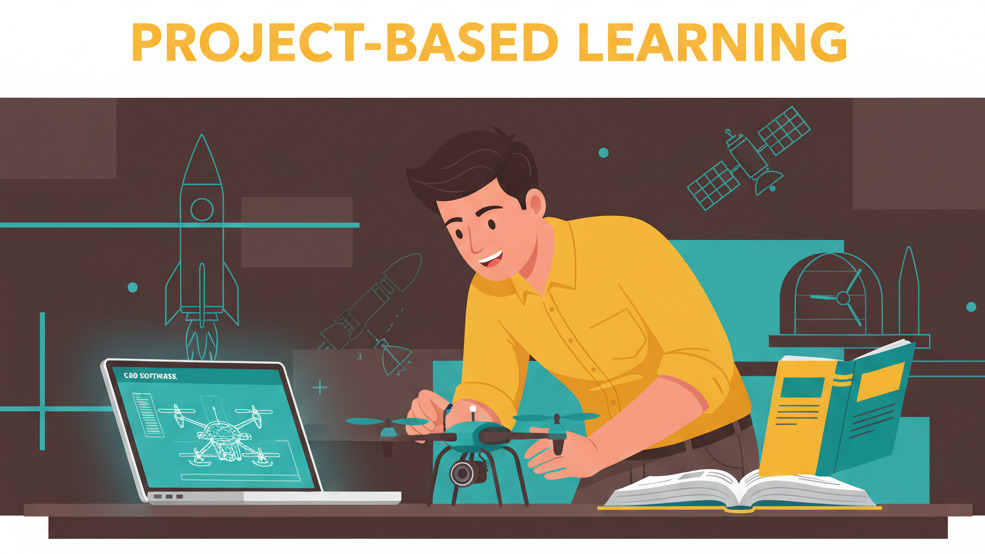
Another strength is project-based learning. Students often care about labs, final-year projects, research papers, and technical clubs before they pick a university. IST is known for giving students more space to build practical work in those areas.
- Space focus: better fit for students interested in satellites, flight systems, and remote sensing.
- Research culture: useful for students planning MS, PhD, or lab-based careers.
- Industry relevance: helpful for roles in telecom, defense, software, and geospatial work.
Academic Programs at IST for Aspiring Space Professionals
If you are searching for IST admissions 2026, look beyond the admission form. First, check which program matches your interest. Students often choose a degree based on the name, but the real value is in the skills it builds.

Common paths connected to IST aerospace engineering, Pakistan, and space careers include aerospace engineering, avionics-related study, electronics, computer science, and space or satellite-focused projects. These programs can support different career tracks.
Best-fit program directions
- Aerospace and avionics: for flight systems, control, testing, and aircraft or satellite work.
- Electronics and embedded systems: for hardware, signals, instrumentation, and mission support.
- Computer science and data: for simulation, AI tools, mission software, and analytics.
- Remote sensing and GIS work: for Earth observation, mapping, agriculture, climate, and planning roles.
For 2026, the best choice is often an interdisciplinary one. Employers want graduates who understand aerospace plus Python, MATLAB, C/C++, or data analysis. That mix helps much more than a narrow degree alone.
IST Research Opportunities, Labs, and Projects
IST research opportunities are a major reason students choose the university. Research helps you build proof of skill, not just a transcript.
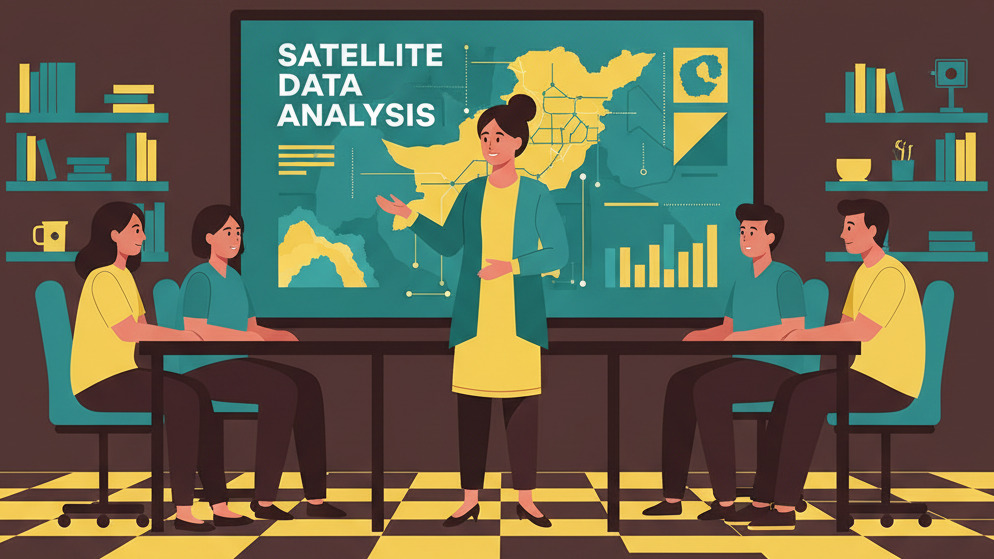
In space and aerospace work, employers value final-year projects, simulation work, and published research. A student who has worked on satellite subsystems, control models, signal processing, or drone-related systems usually stands out more than one who only studied theory.
Typical student project areas can include:
- Satellite systems basics and ground support tools
- Remote sensing analysis for crops, water, or urban change
- Embedded systems and sensor integration
- Flight dynamics simulation
- Control systems and navigation models
These topics also match current hiring trends. Earth observation, remote sensing, and satellite data work are growing quickly across South Asia and the Gulf.
Internships, Collaboration, and IST Alumni Paths
Students often search for IST internships separately, and that makes sense. Internships are where classroom knowledge becomes a job-ready skill. They also help you understand whether you want a public-sector, private-sector, or research path.
IST students may look for exposure through SUPARCO-linked work, lab projects, telecom firms, defense-related engineering companies, software houses, and geospatial teams. Collaboration matters too. A strong university should give you chances to work on joint projects, seminars, or research linkages with other institutions.
IST alumni often move into satellite support, systems engineering, embedded development, GIS, testing, and telecom-linked roles. That is important because many students think the only goal is a direct space agency job. In reality, the wider market is bigger.
Career Prospects After IST in Pakistan and Abroad
The job market for IST careers is strongest when you combine aerospace knowledge with software and data skills. Pakistan’s market rewards engineering, IT, and analytics more consistently than a single narrow specialty.

Here are some useful salary bands for aerospace engineering in Pakistan:
- Pakistan entry-level aerospace or space-adjacent engineer: PKR 60,000–150,000/month
- Pakistan remote sensing or GIS analyst: PKR 80,000–220,000/month
- Pakistan embedded systems or avionics engineer: PKR 90,000–250,000/month
- Pakistan mid-level aerospace or systems engineer: PKR 180,000–400,000/month
- UAE aerospace or systems engineer: AED 12,000–30,000/month
- UAE satellite operations or mission support: AED 10,000–25,000/month
These ranges vary by employer, city, and skill depth. UAE roles can be a strong regional option for graduates with solid portfolios, especially in systems, avionics, and mission support.
Skills That Make IST Graduates Stand Out
Pakistan’s space story is becoming more software-heavy. So the students who do best are usually the ones who combine core engineering with digital skills.
Focus on these tools and skills:
- Python for data work, automation, and analysis
- MATLAB for modelling and simulation
- C/C++ for embedded and hardware-facing work
- Signal processing for sensors and communication systems
- Embedded systems for avionics and device-level work
- Control systems for flight and stability applications
- Aerospace CAD/CAE for design and testing
- Satellite systems basics for mission and payload understanding
- Remote sensing and GIS for earth observation roles
If you want to improve faster, use platforms like Coursera, Google Career Certificates, and LinkedIn Learning. Also, watch for local learning paths through HEC Pakistan and engineering clubs.
How to Apply to IST and What to Check First
If you are planning IST admissions 2026, start early. Always check the latest admission notice, eligibility rules, entry test details, and deadlines on the official IST site.
- Check the program list and match it to your interests.
- Review eligibility, especially math, physics, and marks criteria.
- Prepare for any entry test or merit process.
- Look at lab facilities and faculty research areas.
- Compare internship support and project culture before you apply.
Also, check whether the degree path supports your target role. A student aiming for a remote sensing career in Pakistan may need a different mix of courses than someone targeting avionics or embedded systems.
Common Mistakes to Avoid
- Choosing a program only because it sounds space-related.
- Ignoring coding, data, and tools like MATLAB or Python.
- Waiting until the final year to think about internships.
- Assuming only SUPARCO jobs count as “real” space careers.
- Skipping research, projects, and technical clubs.
These mistakes can slow down your progress. The strongest candidates build a portfolio step by step.
Frequently Asked Questions
What is IST best known for in Pakistan?
IST is best known for space, aerospace, avionics, and related engineering education. It is also known for research and projects connected to Pakistan’s satellite and space ecosystem.
Which careers can IST graduates pursue?
Graduates can work in satellite systems, avionics, flight dynamics, embedded systems, remote sensing, GIS, aerospace software, systems integration, and testing. Many also move into telecom, defense, electronics, software, and research roles.
Is IST only for students who want to work in space agencies?
No. Many IST careers are outside space agencies. The same skills are useful in geospatial analytics, manufacturing, electronics, and software companies.
What should students check before applying to IST?
Check the latest admissions criteria, program structure, lab facilities, faculty research areas, internship options, and alumni outcomes. These give you a better idea of fit than the admission page alone.
How can IST students improve employability in 2026?
Focus on internships, research projects, technical clubs, coding, and simulation tools. Students who mix aerospace with AI, data science, and electronics usually have a stronger edge.
Is aerospace a growing field in Pakistan?
Yes, especially in satellite applications, remote sensing, telecom infrastructure, defense-linked engineering, and data-driven space work. The sector is still small, but it is becoming more practical and job-linked.
Conclusion
IST is a serious option for students who want to build a future in space and aerospace. It works best when you use it as more than a degree. Pair the program with research, internships, and strong technical skills.
If you want to stand out, focus on tools, projects, and real-world exposure early. That is what turns IST careers into real job options in Pakistan and abroad.
Explore more career guides, find jobs, and check salary trends on Trainee.in for your next step.
