

Introduction
Want to kickstart your career making a real difference? UNICEF internships, especially the 2026 remote graduate trainee program, are perfect for fresh grads and students from Pakistan, India, and the UAE. This guide walks you through everything you need to apply and stand out.
These opportunities let you work on global child rights projects from home, building skills that open doors worldwide. Let's get you ready to join the UNICEF team.
Who this guide is for
You're a recent graduate or final-year student in Pakistan (think LUMS or NUST), India (IITs or DU), or the UAE (NYU Abu Dhabi). You care about social impact and want remote work flexibility.

If you're eyeing the UNICEF 2026 remote graduate trainee program, this is your roadmap. It fits early-career pros seeking hands-on experience without relocating.
Step-by-Step Roadmap
Follow these 6 steps to secure your UNICEF internship spot.
- Research Opportunities: Head to UNICEF's careers page (unicef.org/careers). Search for '2026 remote graduate trainee' or 'internships'. Note deadlines—often rolling, but 2026 cycles start mid-2025. Tailor to your region: Pakistan/India focus on South Asia roles, UAE on MENA.
- Check Eligibility: You need to be enrolled in or recently graduated (within 2 years) from a bachelor's/master's program. Fluency in English, Arabic/French/Spanish boosts UAE/MENA chances. No prior experience required, but relevant volunteer work helps.
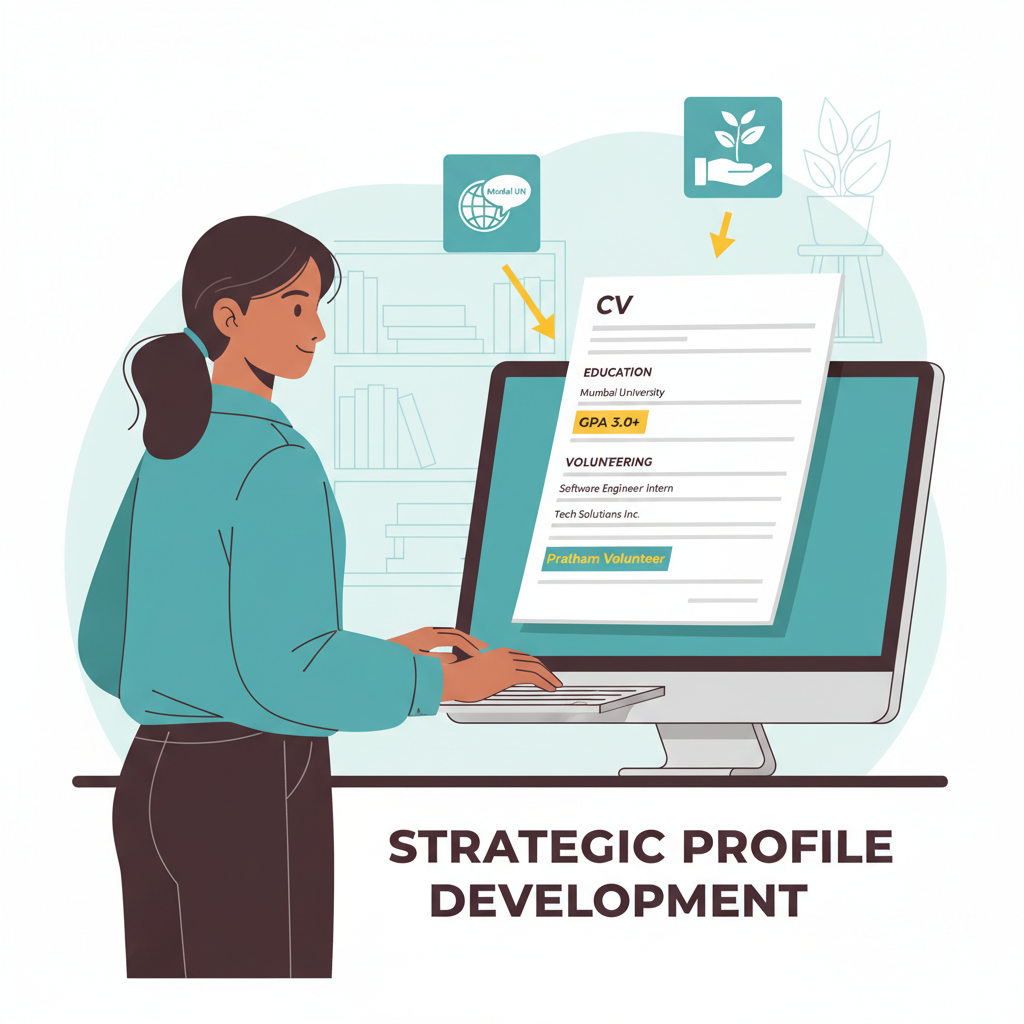
- Build Your Profile: Update your CV to 1-2 pages. Highlight academics (GPA 3.0+), extracurriculars like Model UN or NGO volunteering. For Pakistanis, mention AKDN work; Indians, Pratham; Emiratis, local charity drives.
- Write a Standout Cover Letter: Keep it under 400 words. Explain why UNICEF, link your skills to their mission (e.g., 'My data analysis project in Lahore mirrors UNICEF's child health metrics'). Personalize for the remote trainee role.
- Submit Application: Use UNICEF's online portal (talent.unicef.org). Upload CV, cover letter, transcripts. Complete assessments if prompted—practice logical reasoning and situational judgment online.
- Prepare for Interviews: Expect 2-3 virtual rounds via Zoom. Behavioral questions like 'Tell me about a time you worked in a team.' Research UNICEF's SDGs. Follow up with thank-you emails.
- Follow Up and Network: Join LinkedIn groups like 'UNICEF Interns Alumni'. Connect with current interns from your region. If waitlisted, reapply—persistence pays.
Technical Skills
Master data tools like Excel and SPSS for program evaluation. Learn GIS for mapping child welfare projects—free on Coursera. For remote roles, get comfy with Google Workspace and Zoom.
Soft Skills
Show cultural sensitivity—key for diverse teams. Build communication through Toastmasters (common in Dubai, Karachi). Resilience shines in high-stakes humanitarian work.
Tools to Learn
Start with free platforms: Canva for reports, Trello for project management. For Pakistan/India students, use Khan Academy for stats; UAE folks, try edX for policy courses. Practice using AI tools like ChatGPT to draft proposals ethically.
- Free Essentials: Google Data Studio, Tableau Public.
- UNICEF-Specific: Review their DevInfo software via open resources.
Salary Expectations with Regional Ranges
UNICEF internships are often unpaid or offer stipends. Remote graduate trainees receive ~$700- $ 1,200/month globally, adjusted for location.

- Pakistan: PKR 150,000-250,000/month equivalent (plus allowances).
- India: INR 50,000-90,000/month.
- UAE: AED 2,500-4,500/month, with visa/perks.
Many cover laptops/internet for remote work. Top performers get full-time offers with better pay.
Where to Find Jobs
Besides UNICEF's site, check unjobs.org and devnetjobs.org. For regionals: Pakistan's ROZEE.pk (UN filter), India's Naukri.com, UAE's Bayt.com. Follow @UNICEFcareers on LinkedIn.
Network at events like the Pakistan Development Conference or the UAE Social Good Summit.
Common Mistakes
Don't send generic applications—tailor every one. Skip vague cover letters; use specifics like 'My survey of 200 Karachi kids aligns with your nutrition goals'.
Avoid ignoring deadlines or poor Zoom etiquette. Practice answers aloud to beat nerves.
Real Career Path Examples
Ayesha from Lahore volunteered with Edhi Foundation, landed a UNICEF Pakistan remote trainee in 2024, now a Program Officer (PKR 200,000+/month).

Raj from Mumbai used his IIT project on water access for a 2025 UNICEF India spot, leading to an analyst role (INR 80,000/month).
Fatima from Dubai, via NYUAD, joined the MENA remote program—now consultant (AED 15,000/month).
These stories show internships launch impactful careers.
What's the duration of the UNICEF 2026 remote trainee?
Typically 6-12 months, full-time (35-40 hours/week). Flexible for students.
Do I need prior experience?
No, but volunteering or relevant coursework helps you stand out.
Are they fully remote?
Yes, for the 2026 graduate program, but occasional HQ visits are possible.
What's the selection timeline?
Apply 6-9 months early; decisions in 4-8 weeks.
Can Pakistan/India/UAE residents apply?
Yes, the global program is open to all eligible.
Are stipends guaranteed?
Varies by location/funding; check posting details.
Conclusion
You're now equipped to grab that UNICEF 2026 remote spot. Start today—research, apply, and shine.
Head to Trainee.in for more internship matches, resume tools, and mentors tailored for Pakistan, India, and the UAE.
