

Home economics careers are no longer limited to domestic work or classroom teaching. A modern degree can lead to jobs in nutrition, hospitality, fashion, consumer services, and sustainability. For many students, it is a practical path into sectors that need hands-on skills and clear problem-solving.
In 2026, employers value people who can manage food safety, budget planning, customer service, and resource use. That is why a modern home economics degree can be a useful base for early-career work in Pakistan, India, and the UAE. The degree has changed, and so have the jobs.
The Evolution of Home Economics: From Homemaking to Modern Career Pathways
Home economics started with a narrow label. Many people still think it only means cooking, stitching, or household work. That view is outdated now.
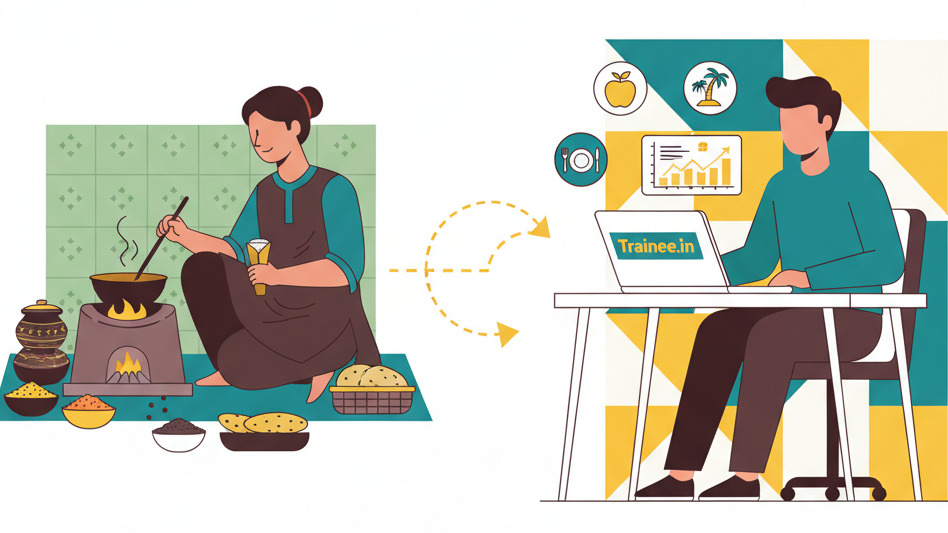
Today, the field covers nutrition, human development, textiles, food systems, consumer science, hospitality, and sustainable living. In many universities, the same subject may appear under names like family and consumer sciences, human ecology, human development, nutrition and dietetics, textile and apparel studies, or hospitality studies. The core idea is the same. It is about applied knowledge for real life and real work.
This shift matters because jobs have also changed. A graduate may now work in a school nutrition program, a hotel operations team, a retail buying office, a food quality unit, or a community health project. The modern home economics degree is not a narrow subject. It is a mixed skill set that fits service, care, and consumer-facing work.
That wider scope is one reason home economics careers are gaining attention again. Employers need people who understand people, products, food, and daily systems. Those are practical strengths, not old-fashioned ones.
What Is a Modern Home Economics Degree in 2026?
A modern home economics degree is an applied program that links daily life skills with professional training. It often combines theory with lab work, field practice, internships, and projects. Students learn how households, food systems, clothing choices, consumer behavior, and family well-being connect with industry.
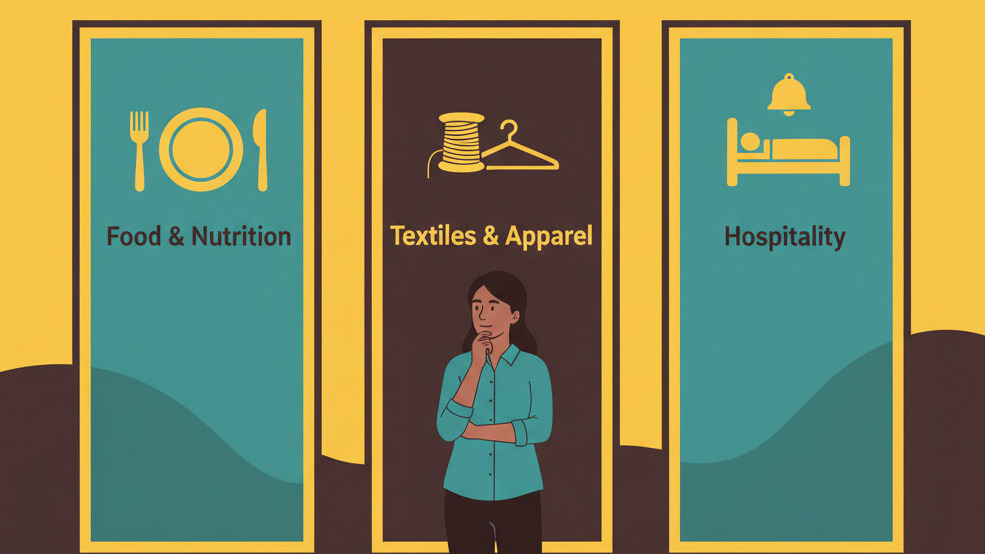
If you are asking what to study in home economics in 2026, the answer depends on your career goal. Some programs lean toward food and nutrition. Others focus on textiles, hospitality, or human development. Good universities now also include digital tools, sustainability, and basic business skills.
For example, a student who wants nutrition jobs may study diet planning, food safety, and public health basics. A student interested in fashion merchandising careers may focus on textiles, apparel buying, retail trends, and consumer demand. Someone aiming for a hospitality management degree career may take service design, front office basics, housekeeping systems, and event coordination.
Many students search for a university of home economics because they want a clear degree path. Others look for the best universities for home economics in their region. The right choice depends on specializations, lab access, internship links, and job outcomes. A strong program should give you both subject knowledge and workplace exposure.
How Modern Program Names Map to Home Economics
- Family and consumer sciences: Often used for broader life skills, education, and consumer studies.
- Human ecology: Focuses on people, environments, and sustainable living.
- Nutrition and dietetics: Best for food, health, and wellness roles.
- Textiles and apparel: Useful for fashion, sourcing, and garment work.
- Hospitality studies: Common in hotel, catering, and service roles.
So if a university does not use the exact words “home economics,” that does not mean the field is gone. It often means the subject has been updated for modern careers.
Best Home Economics Specializations to Study Today
If you want the strongest return from a modern home economics degree, choose a track with clear job demand. The best option is the one that matches both your interests and your local market. In 2026, these specializations stand out.
1. Nutrition and Dietetics
This is one of the most practical routes for home economics careers. You can move into nutrition support, meal planning, diet clinic assistance, school health programs, or wellness brands. The field also connects to preventive health, which is growing in schools, workplaces, and community projects.
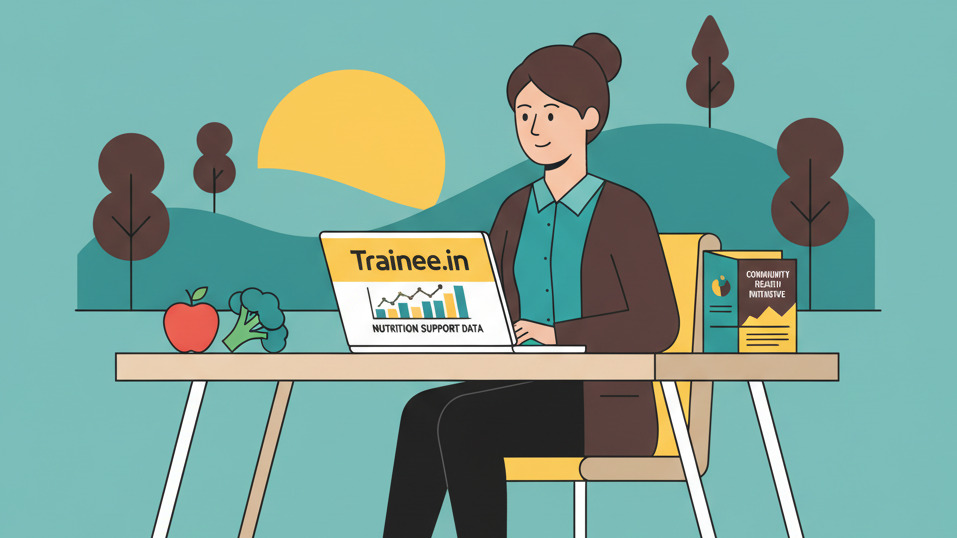
Students in this track should build strong knowledge of food groups, portion planning, hygiene, and basic health education. In many cases, this path also leads to postgraduate study for licensed or clinical roles.
2. Hospitality and Food Service
Hospitality management degree careers suit students who enjoy service, coordination, and guest handling. The path can lead to hotel operations, catering, housekeeping supervision, banquet coordination, and restaurant support roles. It fits well in the UAE, where hospitality and tourism remain major employers in 2025 and 2026.
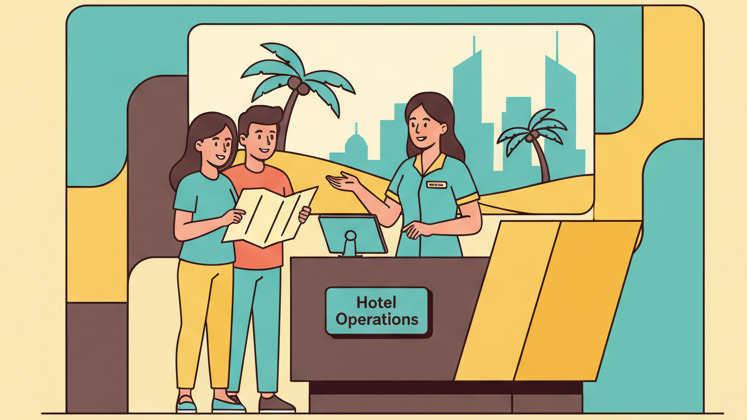
Training in food safety, service flow, and customer care gives you an edge. Many employers also value people who can handle schedules, inventory, and guest communication.
3. Textile and Fashion Studies
This track supports fashion merchandising careers, apparel sourcing, retail operations, and textile quality roles. It is not only about design. It also covers fabric knowledge, production basics, consumer taste, and store planning.

In India and Pakistan, this route can work well with retail brands, export houses, and e-commerce teams. It is especially useful if you learn visual merchandising and basic analytics.
4. Human Development and Education
Students who like teaching, child development, or community work may choose this path. It can lead to school teaching, early childhood programs, family education, NGO work, and guidance roles. This is one of the clearest routes for home economics careers in the education sector.
5. Consumer Science and Sustainable Living
This is one of the most future-focused choices. It covers budgeting, household resource management, consumer behavior analysis, and sustainable consumption. It also connects to circular economy ideas, waste reduction, and practical life planning.
This track fits sustainability careers for graduates because it helps people understand how homes, brands, and consumers make daily choices. That matters in food, retail, and public awareness work.
Top Career Paths for Home Economics Graduates
There are many home economics careers, and the job titles are usually more specific than the degree name. Employers rarely post “home economics graduate” as the role. They ask for practical support in food, care, service, education, retail, and wellness.
Nutrition and Health Roles
These roles are a strong fit for graduates with food and health training. Common entry-level titles include nutrition assistant, dietetics support staff, community health educator, school nutrition coordinator, and wellness program assistant. These jobs often exist in hospitals, NGOs, schools, and public health projects.
This area is especially useful if you want nutrition jobs and are willing to keep learning. For higher-pay roles, many employers expect certifications, internships, or postgraduate study.
Hospitality and Food Operations
Home economics graduates can work in hotel operations, catering support, banquet coordination, guest services, and food service supervision. In the UAE, this route can be a direct fit because hotels, catering firms, and event companies hire for practical operations roles.
Entry titles may include hospitality trainee, food service coordinator, guest relations assistant, housekeeping coordinator, or operations assistant. These roles reward reliability, people skills, and attention to detail.
Fashion and Retail
If you focus on textiles or apparel, you can move into merchandising, buying support, retail operations, visual merchandising, or product coordination. Fashion merchandising careers often need more than taste. They need product knowledge, customer sense, and an eye for stock movement.
Retail brands and online stores often want graduates who understand both products and buyers. That is where home economics training helps.
Education and Training
Schools, colleges, and training centers hire home economics teachers, lab instructors, and practical skills trainers. This is one of the most stable routes in Pakistan and India. In some cases, teacher certification or a higher degree is needed for better pay and promotion.
Consumer, NGO, and Sustainability Roles
There is a growing demand for people who can explain practical living in simple terms. That includes food waste education, healthy eating outreach, consumer awareness programs, and sustainable household practices. These roles suit graduates who enjoy community work and clear communication.
How Home Economics Supports Sustainability and Public Well-Being
Home economics is closely tied to sustainability. That link is stronger now than ever. The global food waste problem was estimated at 1.05 billion tonnes per year in 2024, and households were responsible for around 60% of total food waste in the same year. That makes food planning, storage, and household education very relevant.
The field also matters for health. Around 783 million people were experiencing hunger globally in 2022, according to 2024 reporting. That does not mean one degree solves the problem, but it shows why food education, nutrition planning, and consumer awareness matter in public life.
Modern home economics supports sustainability in simple, practical ways:
- Teaching meal budgeting to reduce waste.
- Promoting food safety and proper storage.
- Encouraging sustainable consumption at home and in shops.
- Helping families make informed clothing and product choices.
- Supporting resource-efficient household habits.
These skills also matter in workplaces. Hotels, schools, food brands, and wellness companies all need people who understand how to use resources well. That is why sustainability careers for graduates now include consumer education, food systems, and service operations.
Skills You Gain in a Home Economics Program
A modern home economics degree builds a mix of technical and soft skills. That combination is useful because many entry-level roles need both.
Technical Skills
- Nutrition planning: Planning meals for health, age, or budget needs.
- Food safety and hygiene: Handling food safely and keeping work areas clean.
- Meal budgeting: Planning meals within cost limits.
- Household resource management: Using time, money, and materials wisely.
- Textile knowledge: Understanding fabrics, care, and garment basics.
- Fashion merchandising basics: Reading product demand and store presentation.
- Hospitality operations: Managing service flow, guests, and support tasks.
Soft Skills
- Customer service: Speaking clearly and calmly with clients or guests.
- Communication: Explaining ideas in simple language.
- Problem-solving: Finding practical answers in daily work.
- Teamwork: Working with teachers, cooks, managers, or nurses.
- Time management: Handling tasks on schedule.
- Attention to detail: Checking quality, safety, and process steps.
These skills are useful across many sectors. That is one reason home economics careers can be more flexible than students expect.
How to Choose a University Program and Internship Track
If you are comparing the best universities for home economics, look beyond the degree name. The better question is: what will this program help me do after graduation?
Start by checking whether the program has a clear specialization. Then review the labs, internships, faculty background, and placement support. A strong program should give you practical exposure, not just theory.
A simple step-by-step plan
- Choose a focus area. Decide whether you want nutrition, hospitality, textiles, education, or consumer studies.
- Check the syllabus. Look for food labs, textile labs, fieldwork, and project work.
- Review internship links. Ask where students usually complete their home economics internship.
- Compare admission routes. Check merit lists, entrance tests, or subject requirements.
- Look at alumni outcomes. See where past graduates work.
- Add certifications. Take short courses in Excel, food safety, retail basics, or communication.
In Pakistan, students often look at public and private colleges linked to women’s education, nutrition, and applied arts. In India, many universities and colleges offer home science or family and consumer sciences under undergraduate and postgraduate routes, with admissions through merit or university-specific processes. In the UAE, students often compare hospitality, nutrition, and family science pathways through colleges and higher education institutes, usually with direct entry or foundation route options, depending on the institution.
For internships, use real platforms and real places. Search LinkedIn for trainee roles. Check Internshala and Naukri in India. Use Rozee.pk in Pakistan. For Gulf roles, Bayt and GulfTalent are useful. You can also approach hotels, schools, food businesses, wellness clinics, retail stores, and NGOs directly.
Portfolio proof matters more than ever. Employers prefer candidates who can show practical work, project files, or certification badges. A short course from Coursera, Google Career Certificates, or a local training body can help if it matches your focus.
Home Economics Careers in Pakistan, India, and the UAE
Home economics careers look different by country, but the logic is similar. Employers want applied skills, communication, and reliability.
Pakistan
Pakistan’s labor market continues to show strong interest in practical, service-oriented, and skills-based early-career roles in 2025. Home economics graduates can fit into teaching, nutrition support, hospitality, retail, and community health work. NGOs and schools are especially relevant for nutrition and education roles.
Typical salary ranges in Pakistan include:
- Home economics teacher/lecturer: PKR 35,000–120,000+ per month
- Nutrition assistant/community health educator: PKR 40,000–140,000+ per month
- Hospitality or food service trainee/coordinator: PKR 35,000–100,000+ per month
Pay changes by city, institution type, and experience. Higher education and reputable private schools often pay more.
India
India’s consumer, retail, food, and wellness sectors continue to expand opportunities for practical degree holders with internship experience in 2025. Home economics graduates can work in teaching, nutrition support, fashion merchandising, retail operations, and wellness programs.
Typical salary ranges in India include:
- Home science/family and consumer sciences teacher: INR 3.0–8.0 lakh per year
- Nutritionist assistant/dietetics support: INR 2.5–7.0 lakh per year
- Fashion merchandising / retail operations: INR 3.0–9.0 lakh per year
Metro cities and larger brands usually pay more. Practical training and internship records can make a real difference.
UAE
The UAE hospitality and tourism ecosystem continues to be a major employment engine in 2025, with demand across hotels, catering, events, and food service. That creates useful openings for graduates in hospitality, food operations, guest service, wellness support, and retail-related roles.
Typical entry-level pay varies widely by employer, visa status, and role. Many employers offer accommodation, transport, or meals in addition to salary. For home economics graduates, hospitality and service roles can become a strong first step if you build experience and keep learning.
For students in these regions, the smartest route is usually the same. Pair your degree with a relevant internship, one practical certificate, and a clear target role. That mix improves your chances much more than the degree alone.
Emerging Roles for Home Economics Graduates in 2026 and Beyond
AI and digital tools are changing many consumer-facing jobs. That does not remove the need for home economics careers. It changes the kind of work graduates do.
Some emerging roles include consumer insights assistant, meal planning support using digital tools, sustainable living educator, retail operations analyst, food inventory coordinator, and wellness content support. These jobs use the same core strengths, but in more digital settings.
Fashion and retail teams are also using more data for buying, stock control, and customer preference analysis. That creates hybrid roles for graduates with textile knowledge plus basic analytics. Hotels are using digital systems for service design and guest handling, which makes hospitality training more structured.
Another growing area is public education around healthy living and responsible consumption. Schools, NGOs, and brands need simple content, workshops, and training materials. Home economics graduates can fit here because they know how to explain everyday ideas clearly.
Postgraduate study can help if you want higher-paying or specialized roles. A master’s degree is often useful for college teaching, advanced nutrition, research, or policy work. But it is not always required for entry-level work. For many students, the smarter first move is to build experience, then decide whether more study will improve the next step.
Common Mistakes to Avoid
Many students choose a home economics degree without a clear plan. That can make the degree feel broader than it should. Avoid these mistakes if you want better results.
- Picking the subject only because it seems easy: It is practical, but it still needs focus and work.
- Ignoring specialization: Nutrition, hospitality, fashion, and education lead to different jobs.
- Skipping internships: A home economics internship often matters more than one extra theory course.
- Not learning digital tools: Basic Excel, presentation skills, and online research help in modern roles.
- Waiting for “perfect” jobs: Entry-level support roles can lead to better posts later.
- Overlooking postgraduate needs: Some higher-paying roles need extra study or certification.
Students also make mistakes when they treat the degree as only academic. Employers want proof that you can do the work. That proof can come from internships, projects, volunteer work, or short certificates.
Is a Home Economics Degree Worth It? A Career-Focused Guide
Yes, a modern home economics degree can be worth it if you choose your path carefully. It is especially useful for students who want practical work in health, food, hospitality, retail, education, or sustainability. The degree is broad, but that is also its strength.
The best outcomes usually come when students connect their studies to one clear target. Nutrition can lead to health and wellness work. Hospitality can lead to operations and service jobs. Fashion and textiles can lead to merchandising and retail. Consumer studies can lead to sustainability, education, or client support roles.
If you build experience early, home economics careers become much easier to explain to employers. That is why internships, portfolios, and certifications matter so much. They turn a broad degree into a clear job story.
For many early-career professionals, the degree is not about one job title. It is a useful base for several stable industries. That makes it a strong option for students who want work that is practical, human, and tied to everyday needs.
Frequently Asked Questions
Is a home economics degree still relevant in 2026?
Yes. It is increasingly relevant because it connects to nutrition, hospitality, fashion, consumer science, education, and sustainability. These are areas with real demand in the public and private sectors.
What are the best specializations within home economics today?
The most marketable specializations include nutrition and dietetics, hospitality and hotel management, textile and fashion studies, human development, consumer sciences, and sustainable living or resource management. Your best choice depends on the jobs available in your region.
What jobs can home economics graduates get?
Graduates can work in nutrition support, food service operations, hospitality, teaching, fashion merchandising, retail management, quality control, community outreach, and family or consumer education roles. Many of these are entry-level jobs with room to grow.
Can home economics graduates work in the UAE, Pakistan, or India?
Yes. These markets have opportunities in schools, hotels, catering companies, retail brands, wellness businesses, NGOs, and consumer education programs. Internships and practical experience make a big difference.
Is home economics the same as family and consumer sciences?
In many institutions, yes, or closely related. Modern programs often use updated labels such as family and consumer sciences, human ecology, nutrition, hospitality, textiles, or consumer studies.
What skills do home economics programs build?
They build practical skills such as nutrition planning, food safety, budgeting, household resource management, client communication, textile handling, event planning, and consumer problem-solving. These skills are useful in many industries.
How can students improve their employability during university?
They should pursue internships, short certifications, volunteer work, project portfolios, and industry exposure in hotels, food businesses, schools, retail, or health and wellness organizations. Basic digital skills also help.
Final Thoughts on Home Economics Careers
Home economics is no longer a narrow or old-fashioned subject. It is a practical degree that connects people, food, service, products, and sustainability. That makes it useful for students who want a stable, skills-based start.
If you choose the right specialization and add real experience, the degree can lead to meaningful work. The strongest home economics careers usually come from a mix of study, internships, and clear job targeting. That is what turns a broad degree into a strong career path.
If you want more help choosing the right path, explore Trainee.in career guides, internship tips, and job resources on career guides, internship opportunities, and latest jobs.
