

The future work in 2026 is already changing how trainees and interns get hired. Entry-level jobs are not disappearing, but they are asking for more skill, more speed, and better judgment.
For students and fresh graduates in Pakistan, India, and the UAE, that means one thing: you need to build work-ready skills early. A degree still matters, but employers now want proof that you can use tools, solve problems, and work well in hybrid teams.
What the Future World of Work Means for Trainees in 2026
The future work 2in 026 is less about one stable job and more about constant learning. Companies are hiring for projects, short contracts, hybrid roles, and tool-based work. That changes what interns do on day one.
In many offices, a trainee may no longer only copy files or prepare basic reports. They may also check data, draft emails, support AI-based workflows, or help coordinate work across time zones.
This matters across Pakistan, India, and the UAE. In the UAE, employers are moving fast on AI and digital hiring. In Pakistan and India, companies are also asking for stronger communication, Excel, and digital collaboration skills even for first jobs.
How AI Is Reshaping Entry-Level Roles
AI is changing entry-level jobs. AI impact in a practical way. It is taking over repetitive tasks, but it is also creating new tasks that need human review.

What interns may now do with AI support
- Draft first versions of emails, captions, or reports.
- Summarize meeting notes and action points.
- Check data for errors and unusual patterns.
- Support customer queries with templates and AI tools.
- Prepare content, slides, or research faster.
This does not mean you should let tools do everything. Employers want people who can check the output, spot mistakes, and decide what is useful. That mix of speed and judgment is a big part of the future work 2in 026.
The UAE is a strong example here. The country is pushing AI adoption through national programs, so AI literacy is becoming useful even in non-technical jobs. A marketing intern, operations trainee, or HR assistant who knows basic prompt and workflow tools will stand out.
Why Gig Work and Project-Based Hiring Are Growing
Flexible work is becoming normal in many sectors. That includes gig economy jobs in the UAE, freelance assignments, and project-based hiring across the region. For early-career workers, this creates more entry points.
Some students use freelance jobs for students to build their first proof of work. Others take short contracts after internships to gain experience before a full-time role.
In the UAE, project work is common in marketing, design, admin support, content, and analytics. In Pakistan and India, startups and agencies often hire on a task basis first, then offer longer roles if the fit is good.
Recent migration trends also show where opportunity is moving. Pakistani movement to the UAE rose sharply in 2026, while Saudi migration slowed. That tells early-career job seekers to watch the Gulf market closely, not just one destination.
The Skills Early-Career Professionals Need Most in 2026
The best skills for future work 2in 026 are simple, practical, and easy to show in a portfolio. You do not need ten certificates. You need a few strong skills that help in real work.
- Communication — write clear emails, messages, and updates.
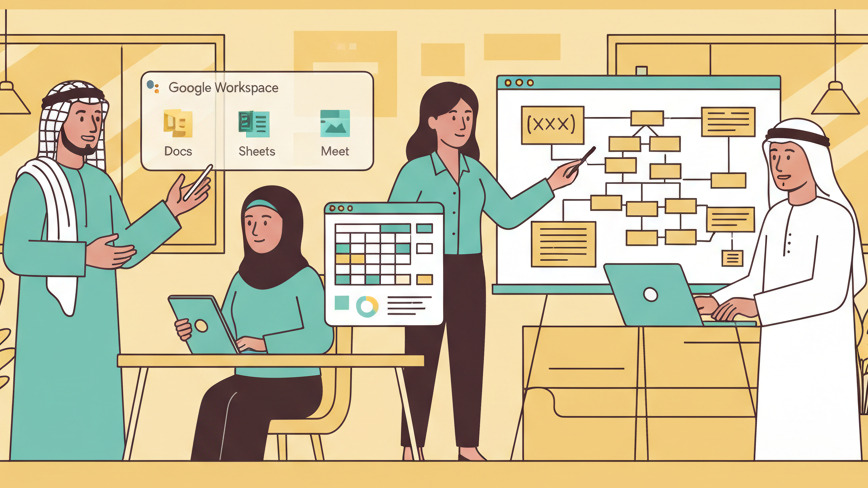
- Digital collaboration — use Teams, Google Workspace, Slack, or Zoom well.
- Excel and spreadsheet basics — filter data, use formulas, and track work.
- AI tool literacy — know how to use common AI tools safely and well.
- Problem-solving — break tasks into steps and ask smart questions.
- Adaptability — learn new systems without slowing the team down.
These are the best skills for the internship 2026 because they work across roles. A sales intern, HR trainee, and content writer all need them.
If you want a simple start, use platforms like Trainee.in career guides, job listings, and CV writing guide resources to match your skills with real openings.
How to Build a Future-Proof Personal Brand
Personal branding for students is no longer optional. Hiring teams often check LinkedIn before they shortlist a candidate. In many cases, a good profile can help more than a plain CV.
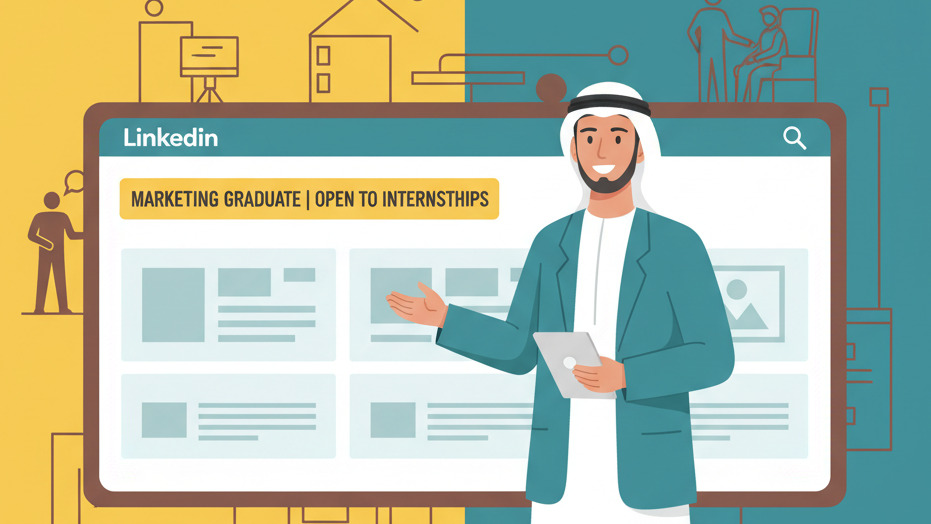
A simple personal brand means people can understand what you do, what you know, and what kind of work you want. It does not need to be fancy.
What to build first
- A clear LinkedIn headline, such as “Marketing Graduate | Open to Internships in Karachi”.
- One short portfolio page or Google Drive folder with samples.
- Two to four project write-ups with results.
- A clean CV that matches your target role.
If you are in design, use Behance. If you are in coding, use GitHub. If you are in writing or marketing, post samples or case studies. Employers in 2026 care more about proof than claims.
Succeeding in Hybrid and Digital-First Workplaces
Hybrid work skills are now part of the job, not a side benefit. You may work from home some days and from the office on others. That means you need to stay organized without someone watching you all the time.
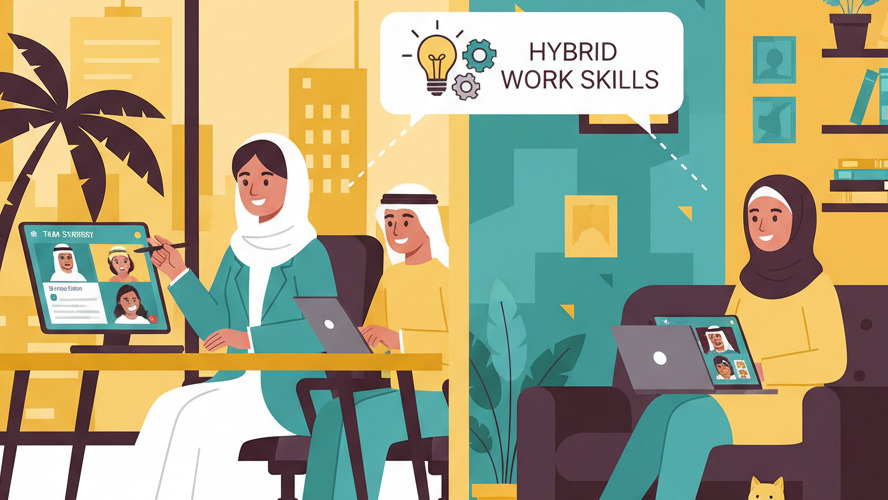
To do well in hybrid teams, keep your updates short and clear. Reply on time. Share blockers early. Keep files named properly. Join calls on time and speak only when you add value.
For early-career workers in the UAE, this is especially important because cross-border teams are common. The same is true in IT, support, marketing, and operations jobs in India and Pakistan. Employers want people who can work well in person and online.
Emerging Industries Hiring Early-Career Talent
Several sectors are growing fast in the future work 2026. If you are choosing a field, these areas are worth watching:
- AI and data
- Renewable energy
- Fintech
- Logistics
- Digital marketing
- Healthcare tech
- Cybersecurity
- Sustainability-related roles
In the UAE, junior digital marketing and content roles often pay around AED 5,000–10,000/month. Junior data, AI support, and tech operations roles may range from AED 8,000–15,000/month.
In Pakistan, fresh graduate roles in IT, marketing, and operations often fall between PKR 35,000–90,000/month. Entry-level software, QA, and data roles can go from PKR 70,000–180,000/month.
In India, fresher roles in IT, support, marketing, and analytics often range from INR 3.0–8.0 LPA. Stronger product firms may pay INR 6.0–18.0 LPA for software and data roles.
Ethical AI and the Soft Skills That Still Matter
Even in a tech-heavy workplace, soft skills still matter. But the meaning has changed. Employers now look for critical thinking, stakeholder communication, teamwork, and responsible use of AI.
If you use AI at work, check facts before sending anything. Do not copy outputs blindly. Ask whether the result is fair, accurate, and useful. That habit matters in HR, customer support, finance, marketing, and operations.
Strong soft skills also help with early career resilience. When work changes fast, the people who stay useful are often the ones who learn, adjust, and communicate clearly.
Action Plan: How to Stay Employable in 2026 and Beyond
If you want a practical plan for the future work 2in 026, start small and stay consistent.
- Pick one target role, such as content, HR, data, or operations.
- Learn one tool stack, like Excel plus AI tools plus Google Workspace.
- Build one portfolio sample every week.
- Apply on LinkedIn, Internshala, Naukri, Rozee.pk, or Bayt.
- Ask for feedback after each interview or test.
- Update your CV and LinkedIn every month.
You can also track jobs and skill trends through Trainee.in blog and compare the role demand across regions before you apply. That helps you focus on places where your profile fits best.
Common Mistakes to Avoid
- Depending on a degree alone.
- Ignoring Excel, writing, and communication.
- Using AI tools without checking the output.
- Keeping an empty LinkedIn profile.
- Applying with the same CV for every role.
- Waiting for a full-time job before building proof of work.
Frequently Asked Questions
Will AI eliminate entry-level jobs in 2026?
Not broadly, but it will change them. Routine tasks are being automated, while entry-level roles are shifting toward coordination, analysis, communication, and AI-assisted execution.
What skills should trainees focus on first for the future of work?
Start with communication, digital collaboration, Excel or spreadsheet basics, AI tool literacy, problem-solving, and adaptability. These skills make internships and first jobs more useful right away.
How can interns stand out in a digital-first hiring market?
Build a portfolio, share work samples, keep a strong LinkedIn profile, show clear project results, and use common workplace tools well. Employers want proof, not just claims.
Is hybrid work here to stay?
Yes, especially in knowledge work, tech, operations, marketing, and professional services. Many employers now expect people to work well both online and in person.
Which sectors are best for early-career growth in 2026?
AI and data, renewable energy, fintech, logistics, healthcare tech, cybersecurity, digital marketing, and project-based business services are among the strongest growth areas.
How important is English communication for global jobs?
Very important. Employers in international and cross-border roles still treat professional English communication as a major employability factor.
Conclusion
The future work in 2026 is not about waiting for one perfect job. It is about building useful skills, showing proof of work, and staying ready for change. AI, hybrid work, and project-based hiring are already shaping early careers in Pakistan, India, and the UAE.
If you focus on communication, digital tools, and a clear personal brand, you will have more options. That makes your next internship or first job easier to find and easier to grow from.
For more practical help, explore career guides and fresh job openings on Trainee.in to match your skills with real opportunities.
