


In New York City, company confidential NYC rules are part of everyday work, even for interns and first-job hires. If you handle client files, draft decks, join Slack channels, or sit in on meetings, you may already be dealing with sensitive information. The safest approach is to understand what is covered, what is not, and what you should ask before you sign anything.
This matters because an NDA is not just a legal form. It affects your reputation, future job options, and how people trust you at work. In 2026, early-career workers in NYC are often asked to sign broad confidentiality terms, especially in startups, finance, media, law, healthcare-adjacent roles, and agency work.
That is why this guide breaks down the company's confidential NYC rules in plain English. You will learn what counts as confidential information, how NDAs differ from non-competes, what to read before signing, and how to protect yourself on Slack, email, cloud drives, and AI tools.
What Counts as Company Confidential Information in NYC?
Many juniors think confidential information only means trade secrets. That is too narrow. In real workplaces, company confidential NYC language often covers much more than product formulas or patents.

Usually, confidential information means anything the employer does not share publicly and wants to keep restricted. The exact list depends on the contract and company policy, but it often includes:
- Product plans and roadmaps
- Internal reports and meeting notes
- Pricing, budgets, and forecasts
- Client lists and vendor lists
- Source code, design files, and Figma boards
- HR issues, payroll, and performance reviews
- Legal documents and settlement discussions
- Credentials, access keys, and system logins
- Unreleased campaigns, pitches, and brand strategy
- Even the existence of a project in some cases
In New York City, that list matters more because many industries depend on speed, trust, and secrecy. A media intern may see a campaign before launch. A finance analyst may handle unpublished numbers. A startup assistant may know about a funding round before it is public.
That is why what is confidential information at work should always be spelled out in the contract, not inferred from the job title.
Public, internal, and confidential are not the same
Some companies separate information into three buckets. Public information can be shared freely. Internal information is meant for employees only. Confidential information is the most restricted.
This matters because many leaks happen when people treat internal files as if they were public. A Slack note, a Notion page, or a draft deck may look harmless. But if the company labels it private, sharing it can still cause problems.
NDAs in 2026: What Early-Career Professionals Need to Know
An NDA, or non-disclosure agreement, is a contract that limits what you can share. In 2026, non-disclosure agreement early-career clauses are common in internships, entry-level jobs, creator partnerships, agency contracts, and startup roles.
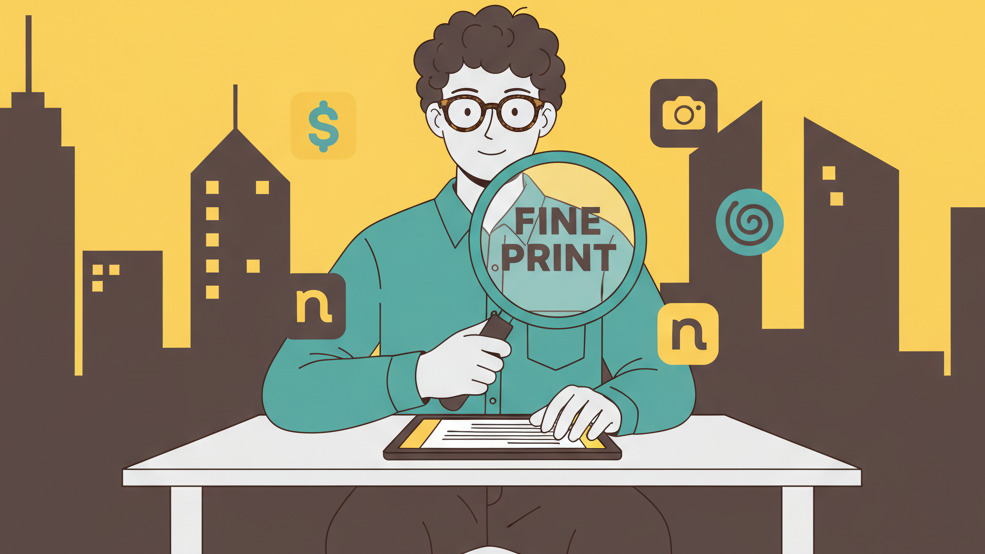
One big change is that NDAs now often mention digital tools. They may cover screenshots, Slack exports, Loom recordings, Notion pages, shared drives, Figma files, browser extensions, and AI prompts. That makes the company's confidential NYC rules more relevant than ever.
The biggest mistake junior employees make is assuming an NDA only protects trade secrets. In practice, it can also cover:
- Internal documents
- Customer data
- Pricing and margin details
- Code and prototypes
- Meeting notes
- Project names
- Work-in-progress content
Another important point: an NDA is not the same as a non-compete. The FTC finalized a nationwide ban on most non-competes in 2024, but that rule faced legal challenge and was not broadly in force as a general protection entering 2025-2026. So you should not treat NDA rules and non-compete rules as the same thing. An NDA can still be enforceable even where non-competes are limited or challenged.
In short, company confidential NYC policies still matter even if you have heard that non-competes are changing.
NDA vs Non-Compete vs IP Assignment: Know the Difference
Early-career workers often sign several documents at once. They may look similar, but they do different things. If you understand the difference, you can spot risky terms before you sign.

NDA
An NDA limits disclosure. It says what you can and cannot share about the company, clients, and projects. This is the core of the company's confidential NYC protection.
Non-compete
A non-compete tries to stop you from working for a competitor or starting a competing business after you leave. These clauses are more controversial and can be limited by law. They are not the same as confidentiality terms.
Non-solicitation
This clause may stop you from poaching clients, co-workers, or vendors after you leave. It does not usually control disclosure, but it can still affect your next move.
IP assignment
Invention assignment and IP ownership clauses say the company owns certain work you create during the job. This can matter a lot for interns, designers, writers, software hires, and startup staff. Some contracts are broad enough to claim ownership over side projects if they relate to the company’s business.
When people search for NDA vs non compete New York, they often want one answer. The real answer is simple: each clause controls a different risk. Read them separately.
What to Read Before You Sign
If you are asking should I sign an NDA internship, the answer is usually “maybe, but read it first.” A lower-paying role does not mean lower risk. Interns often sign the same confidentiality terms as full-time staff.

Before you sign, check these points carefully:
- Scope: What exactly counts as confidential information?
- Duration: How long does the duty last after you leave?
- Exclusions: Does it exclude public information, already-known information, or your own pre-existing work?
- Disclosure exceptions: Can you report illegal conduct, harassment, or discrimination?
- Return and deletion: Must you delete files, return devices, or wipe backups?
- IP language: Does the agreement also assign your intellectual property?
- Social media limits: Can you post about the work at all?
A plain-English review is part of contract reading and risk assessment. If a term is vague, ask for clarification. If it is very broad, ask for a narrower version. That is normal.
In New York, a good rule is simple: if you cannot explain the clause to a friend in one minute, you should ask questions before signing.
Red Flags in Confidentiality Agreements
Not every NDA is unfair, but some clauses deserve extra care. These are common red flags in an employee confidentiality agreement that New York workers may see:

- “Confidential information” is defined so broadly that it seems to include almost everything.
- The duty lasts forever, with no clear end date
- No carve-out for legal reporting or whistleblowing
- No exception for already public information
- The company can decide in secret what counts as confidential
- You must hand over personal devices or personal cloud accounts
- The contract mixes NDA terms with non-compete or IP claims without a clear separation
- The agreement bans you from telling a lawyer, regulator, or government agency anything
New York law has strengthened worker protections in this area over time. Employers cannot use confidentiality language to unlawfully block protected reporting rights. If a clause appears to prevent you from reporting harassment, discrimination, or illegal conduct, that is a serious problem.
This is especially relevant for anyone researching New York NDA law that employees should know about before signing.
NYC-Specific Confidentiality Risks for Interns and Juniors
NYC has a dense networking culture. People change firms often. They meet at events, co-working spaces, coffee shops, and happy hours. That makes accidental disclosure easier.
For early-career staff, company confidential NYC risks often appear in these sectors:
- Finance: deal terms, investment targets, client data, and market-moving information
- Media and advertising: unreleased campaigns, creative concepts, talent deals, and embargoed content
- Startups and tech: product roadmaps, code, fundraising plans, user data, and prototypes
- Legal services: case files, dispute strategy, and settlement terms
- Healthcare-adjacent work: patient or vendor data, compliance files, and regulated records
In these fields, even a casual comment can create trouble. Saying “we are about to launch something big” at a networking event may not seem serious. But if the project is private, it can still break trust.
Remote and hybrid work adds more risk. Home laptops, shared family spaces, and open screens make leaks more likely. A quick screenshot sent to the wrong group chat can become a real problem in minutes.
Why NNYC's reputation risk is higher
In New York, people move across employers quickly. Recruiters talk. Former colleagues share notes. A confidentiality mistake can affect references and future interviews, especially in media, finance, legal services, startups, and fashion.
That is why data privacy workplace NYC habits are not just about compliance. They are also about protecting your long-term name.
How to Handle Slack, Email, Cloud Drives, and AI Tools Safely
Most modern leaks do not happen because someone meant harm. They happen because someone used the wrong tool, forwarded the wrong file, or pasted text into the wrong place. This is a cybersecurity issue as much as an HR issue.
Recent workplace trends show that employee misuse of collaboration tools, cloud drives, and messaging apps is a leading practical cause of confidential information exposure. That is why protecting company data at work now includes digital hygiene, not just good judgment.
Slack and chat apps
Use approved channels only. Do not paste sensitive text into public channels when a private thread is needed. Do not screenshot internal posts unless your company policy allows it. And do not forward messages to personal accounts.
Check recipients before sending. Use the right attachment. Avoid “reply all” when the thread includes sensitive names or numbers. If the file is confidential, keep it inside the company's systems.
Cloud drives
Store files only in approved folders. Do not move work to personal Google Drive, Dropbox, or iCloud unless the company explicitly says it is allowed. Personal backups can create problems later when you leave.
AI tools
In 2025-2026, many companies warned staff not to paste confidential data into public AI tools or browser extensions. That warning matters. If you put private client data, internal code, or unreleased strategy into a public model, you may expose it outside the company.
If you are unsure, use this simple rule: if the content is not public and you do not have written permission, do not paste it into an open AI tool.
This is a key part of the data privacy workplace NYC practice in 2026.
What You Can Share in Portfolios, Interviews, and Networking
Many early-career professionals want to show their work. That is normal. But in NYC, portfolio sharing must be handled with care.
Here is a simple rule: share the outcome, not the confidential details. If the work is public and approved for sharing, you can often discuss it in general terms. But you should not reveal client names, internal metrics, unfinished designs, source files, or private strategy.
Safe examples
- “I helped support a campaign launch for a consumer brand.”
- “I worked on internal reporting dashboards.”
- “I contributed to a user research summary.”
- “I assisted with process improvement for a finance team.”
Unsafe examples
- Posting screenshots of internal decks
- Sharing exact revenue numbers without approval
- Listing client names from a private project
- Explaining unreleased product plans on LinkedIn
- Uploading Figma boards or Slack exports to a portfolio
Before you post on LinkedIn, ask two questions. Is this information public? And do I have permission to share it? If the answer to either is no, do not post it.
This is especially important for interns asking should I sign an NDA internship and then later want to show project work.
How Confidentiality Affects Promotions and References
Good discretion can help your career. Bad discretion can close doors. In NYC, hiring managers often ask former managers whether a candidate is careful, trustworthy, and easy to work with.
That is why the company's confidential NYC rules affect more than one job. They can shape how people describe you later. If you handle sensitive material well, people remember that. If you overshare, people remember that too.
Confidentiality also supports professional ethics. It shows that you understand workplace boundaries, document handling, and incident reporting. These are not flashy skills, but they matter in early-career roles.
For some jobs, especially compliance, legal operations, privacy-adjacent roles, and finance support work, employers may pay more because the work involves sensitive records. In NYC, early-career compensation varies widely. Internships may be unpaid, stipend-based, or low-salaried. Entry-level jobs in startups and media can still be modest. But finance and tech roles can move toward six-figure packages faster, which often means stronger confidentiality expectations too.
Market insight by region
- New York City: Entry-level roles in finance, legal services, media, startups, and tech range from low internship stipends to six-figure early-career packages, depending on the function and firm.
- India: Internship and junior roles often pay from INR 10,000 to INR 40,000 per month, while stronger entry-level roles in tech or compliance can go much higher.
- Pakistan: Internships may be unpaid or range from PKR 15,000 to PKR 50,000 per month, while junior corporate and tech roles can rise beyond that based on sector and city.
- UAE: Entry-level roles often range from AED 3,000 to AED 10,000 per month, with stronger finance, legal, and tech roles going higher in Dubai and Abu Dhabi.
These ranges are broad, but the point is clear: lower pay does not reduce NDA obligations.
What to Do If You Accidentally Leak Sensitive Information
Accidents happen. A file may go to the wrong person. A Slack message may be posted in the wrong channel. A screenshot may include more than you meant to show. What you do next matters.
Use this simple action plan:
- Report it fast. Tell your manager, HR, legal, security, or the named contact in the policy.
- Be clear and factual. Say what was shared, when, with whom, and through which tool.
- Do not hide it. Delays usually make the problem worse.
- Document everything. Save screenshots, message timestamps, and any instructions you receive.
- Follow the cleanup steps. Delete files where instructed, revoke links, or request access removal.
- Learn the cause. Was it a personal device, a shared folder, or a copy-paste mistake?
If the leak involves legal, harassment, or discrimination issues, do not assume the NDA overrides your rights. New York rules do not allow employers to use confidentiality language to block lawful reporting.
A fast, honest response can protect both the company and your own record. That is part of good professional communication and incident reporting.
Common Mistakes to Avoid
Many confidentiality problems are simple mistakes. The good news is that most of them are easy to avoid once you know the patterns.
- Assuming all internal information is safe to share
- Signing an NDA without checking the duration and exclusions
- Confusing an NDA with a non-compete
- Posting work photos or screenshots on social media
- Using personal email to move company files
- Pasting private data into public AI tools
- Talking about client work in group chats or at events
- Ignoring IP assignment clauses in internship contracts
- Not asking for written approval before using portfolio examples
- Waiting too long to report an accidental disclosure
If you want to build strong habits early, think about workplace discretion as a career skill. It is part of how you protect your next opportunity.
Where to Learn More and Build Safer Work Habits
If you are new to this topic, it helps to build a few related skills. Contract reading, data privacy awareness, digital security hygiene, and professional communication all work together. So does knowing when to ask questions.
On Trainee.in, you can also explore career guides for early job planning, CV writing guide advice for safe portfolio language, and find jobs pages for roles that fit your level. If you want broader career advice, the Trainee.in blog is a good place to continue learning.
If you are comparing roles, you can also check salary trends to understand how pay and responsibility change across entry-level jobs.
Frequently Asked Questions
What counts as confidential information at work in NYC?
Usually, anything the employer does not publicly disclose and wants kept restricted. That can include product plans, internal reports, pricing, client lists, source code, financials, HR matters, credentials, legal documents, and sensitive meeting content.
The exact definition comes from the contract and company policy. So always read the wording, not just the job title.
Should I sign an NDA for an internship?
Often yes, but only after reading the scope, term, exceptions, and any IP assignment language. Interns are often given the same confidentiality terms as full-time staff.
If the NDA is extremely broad, lasts indefinitely without limits, or restricts lawful reporting, ask for clarification before signing.
Is an NDA the same as a non-compete?
No. An NDA limits disclosure of information. A non-compete tries to restrict future work for a competitor or in a market.
They are legally and practically different, and one can exist without the other.
Can I talk about my work with friends or on social media?
Only if the information is clearly public and you are not violating company policy, client confidentiality, or a contract term. When in doubt, do not post, screenshot, or casually mention internal details.
That includes chats, stories, reels, and casual DMs.
What should I do before signing a confidentiality agreement?
Check what information is covered, how long the duty lasts, whether there are carve-outs for legal reporting, whether the company can ask for your devices or records, and whether the agreement also assigns your intellectual property.
If any part is unclear, ask before you sign. That is normal and reasonable.
Can an employer stop me from reporting harassment or illegal conduct because of an NDA?
No legitimate NDA should unlawfully block protected reporting or legal rights. If a clause appears to do that, it should be questioned and reviewed carefully.
New York has also strengthened protections against overly broad secrecy in harassment and discrimination settings.
How can I protect confidential information on personal devices?
Use company-approved tools, lock devices, enable MFA, avoid personal cloud backups, keep sensitive files off shared devices, and never forward confidential files to a personal email unless explicitly authorized.
Also, avoid public Wi-Fi for sensitive work unless your company requires a secure VPN and approved setup.
Conclusion
For early-career workers, company confidential NYC rules are part of the job, not an extra detail. They shape how you handle files, how you speak in meetings, and how people trust you later.
If you read the contract carefully, separate NDAs from non-competes, and keep good digital habits, you reduce risk fast. That matters in NYC, where jobs move quickly, nd reputations spread quickly too.
The goal is not fear. The goal is discipline, good judgment, and clear habits from your first internship onward.
If you want more help with early-career planning, explore the latest career guides on Trainee.in and check related advice before your next application or offer.
