


A career change in 2026 needs more than interest and a short course. Employers now want proof of skill, a clear reason for your move, and a target role that fits the market. That matters whether you are moving into tech, teaching, or data.
For many people, the old path is no longer working. Hiring is slower for new graduates, engagement is low, and employers are paying more attention to specialized skills than broad experience.
Why 2026 Is a Strong Year for a Career Pivot
2026 is not an easy hiring year, but it is a practical one for focused switchers. Mercer’s 2026 talent survey covered nearly 12,000 executives, HR leaders, employees, and investors across 16 geographies and 16 industries, which shows how widely employers are rethinking skills, AI, and future-fit work.

Gallup’s 2026 workplace report says only 20% of employees worldwide were engaged in 2025. That helps explain why many professionals are looking for work that feels more stable, useful, or better paid. NACE’s Job Outlook 2026 also says employer hiring plans for new college graduates are leveling off, so early-career candidates need stronger proof of readiness.
The biggest pattern is clear. Employers want people who can do one thing well. In tech and data, that often means cloud, cybersecurity, AI literacy, SQL, Python, Excel, Power BI, or Tableau. In teaching, it means lesson planning, classroom management, digital teaching tools, and visible classroom readiness.
In the UAE, this shift is sharper. Local workforce policies and talent reports point toward AI-driven roles and continuous skill development, while hard-to-fill specialist roles stay more resilient for expatriates. That means a broad, generic profile is weaker than a specific one.
How to Identify Transferable Skills That Hiring Managers Actually Value
Most career switchers already have more useful skills than they think. The problem is that they describe them in the wrong way. Hiring managers do not want a life story. They want evidence that your past work connects to the new role.
Transferable skills for career change
The most useful transferable skills for career change are problem-solving, communication, project coordination, stakeholder management, learning agility, and basic digital literacy. These apply across tech, teaching, and data roles.
Use your old work to prove outcomes. For example, if you handled customer complaints, that can support a support engineer role. If you trained new staff, that can support a teaching or edtech role. If you built weekly reports, that can support a data analyst role.
How to map your old role to a new one
- Write down 5 tasks you did well in your current job.
- Match each task to a skill used in your target role.
- Keep only the examples that show measurable results.
- Rewrite them in simple, outcome-based language.
- Use the same words that appear in job ads.
For example, “managed reports for 20 clients” becomes “used Excel and reporting tools to support business decisions.” That sounds closer to the work employers want.
Best Reskilling and Upskilling Paths for Tech, Teaching, and Data
The best reskilling and upskilling path depends on the role you want, not on the course that looks popular. In 2026, employers are rewarding specialization, not random certificates.
For tech switchers
For a career change to tech in 2026, focus on one track first: QA, support engineering, junior development, cloud support, or cybersecurity basics. Coding Temple and other 2026 tech-market sources say engineering and AI-adjacent roles are still active, but the strongest entry path is usually the one with clear, job-ready proof.

Practical skills to learn include Python, SQL, Git, cloud computing, cybersecurity fundamentals, and AI literacy. If you are starting from zero, short courses from Coursera, Google Career Certificates, or a targeted bootcamp can help, but only if they lead to projects.
For teaching switchers
Career change to teaching after a corporate job works best when you can show classroom readiness. That means lesson planning, student engagement, classroom management, and simple use of digital tools like Google Classroom, Zoom, or Microsoft Teams.
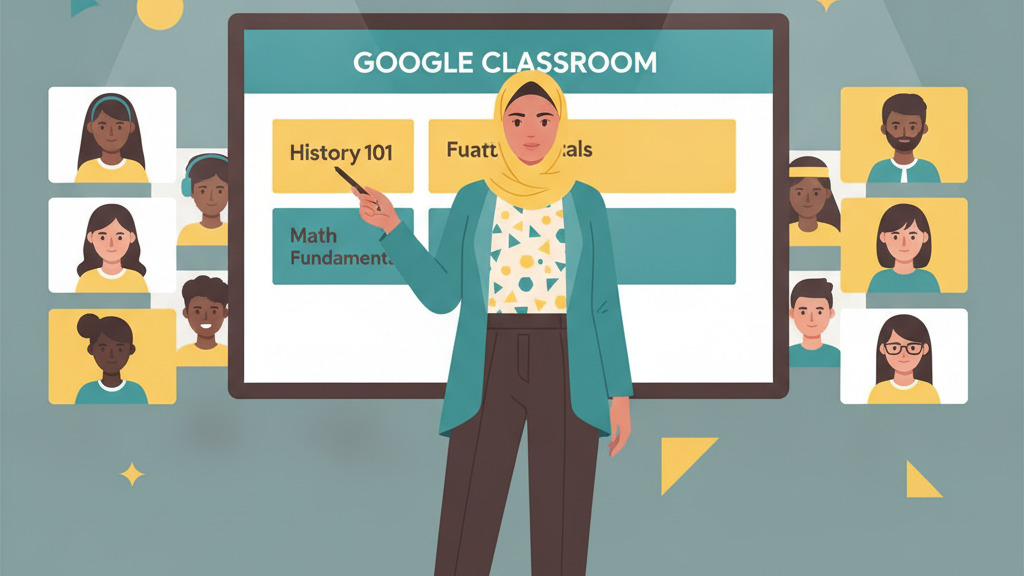
Many schools and edtech firms care less about your old title and more about whether you can explain a topic clearly. If you are targeting private schools or edtech, add teaching demos, subject knowledge, and examples of how you managed groups or trained people before.
For data switchers
How to switch to data science in 2026 depends on the entry point. For many switchers, the first step is not data science itself. It is data analysis. Learn Excel, SQL, Power BI, Tableau, and then basic Python for cleaning and analysis.

Employers in 2026 keep asking for applied skills, not just course completion. So one good dashboard or one well-written analysis can matter more than three general certificates.
Useful learning sources include Coursera, Google Career Certificates, HEC Pakistan-linked university programs, AICTE-approved options in India, and local bootcamps where the curriculum includes projects. If you are in the UAE, check programs that fit cloud, cybersecurity, or data roles with local demand.
How to Build a Career-Change Resume That Passes ATS Screens
A career change resume is not a full history of your life. It is a proof document. The goal is to make the ATS and the hiring manager see the same target role you want.
Use a simple format. Put your target title at the top. Then add a summary that connects your background to the new field. After that, focus on skills, projects, and the few experiences that support your move.
Career change resume examples that work
If you are moving into data, your summary can say that you have strong Excel reporting, process improvement, and SQL practice. If you are moving into teaching, you can mention training, communication, and subject expertise. If you are moving into tech, you can mention troubleshooting, process support, and one or two technical tools.
Use action verbs and outcomes. Avoid vague lines like “responsible for tasks.” Instead, write “built weekly Excel reports for team decisions” or “trained 15 new hires on process steps.”
For ATS, mirror the words in the job description. If the posting says Power BI, use Power BI. If it says classroom management, use that phrase. If it says cloud support, use cloud support. That small change can improve match quality.
What to include and what to cut
- Include the most relevant 3 to 5 skills for the role.
- Include projects, certificates, and measurable outcomes.
- Cut old responsibilities that do not support your new goal.
- Keep the resume to one page if you are early career.
- Use a clean design with simple headings.
If you need a more detailed format, use Trainee.in’s CV writing guide and compare your draft with current salary trends before you apply.
Portfolio Strategies for Career Switchers: Tech, Teaching, and Data Examples
For most switchers, a portfolio matters more than a polished CV alone. This is especially true in tech and data, where employers want evidence of applied work.
A portfolio does not need to be fancy. It needs to be clear. One good project, explained well, is better than five weak ones.
Tech portfolio ideas
If you are targeting tech support, QA, cloud, or junior development, show one or two practical projects. For example, a bug report sample, a simple app, a GitHub repository, or a cloud lab can show real effort. Add short notes on what you built, what tools you used, and what problem it solved.
Teaching portfolio ideas
For teaching careers, your portfolio can include lesson plans, sample worksheets, classroom videos, teaching demos, and student-feedback evidence if you have it. If you are shifting from corporate work, include training material you made for staff. That still shows instruction skill.
Data portfolio ideas
A data portfolio should include a dashboard, a small SQL project, a short case study, and one cleaned dataset with clear analysis. Use Excel, Power BI, Tableau, or Python. Then explain your thinking in plain language.
A simple portfolio structure can be:
- About you and your target role.
- 2 to 4 projects with screenshots or short write-ups.
- Skills and tools used.
- Contact details and LinkedIn profile.
If you want more structure, Trainee.in’s career guides and blog can help you shape a stronger application package.
Networking Tactics That Work for Career Changers in 2026
Networking for career changers is not about asking strangers for jobs. It is about making your target field aware of your new direction. In a cautious job market, referrals and warm contacts still matter.

LinkedIn is still useful, but it works best when your profile looks focused. Change your headline to your target role, not your old one. For example, “Aspiring Data Analyst | Excel, SQL, Power BI” works better than a generic job title.
Where to network by sector
- Tech: LinkedIn, GitHub, local tech meetups, and online communities.
- Teaching: school webinars, edtech communities, subject groups, and teacher forums.
- Data: LinkedIn, analytics communities, Kaggle, and project-sharing groups.
In the UAE, keep local hiring rules in mind. Emiratisation and Saudisation affect some roles, especially broad entry-level jobs. So if you are an expatriate, aim for niche, hard-to-replace roles in cloud, cybersecurity, data, finance, healthcare, or project leadership.
One useful move is informational interviewing. Ask one person in your target field for 15 minutes. Then ask what skill gaps they see, what tools they use, and how they would hire a switcher.
For job search support, use find jobs pages, LinkedIn, Internshala, Naukri, Rozee.pk, Bayt, and GulfTalent, depending on your region.
How to Prepare for Interviews in Tech, Teaching, and Data Roles
Interview prep for a career change should match the job. A generic answer set will not help much. Tech and data interviews often test technical screening and practical problem-solving. Teaching interviews often test demos, classroom scenarios, and subject clarity.
Tech interview preparation for career switchers
For tech roles, expect basic technical screening, tool questions, and a short problem-solving task. You may be asked about Python, SQL, cloud basics, Git, or debugging. If you are aiming at support or QA, prepare examples of how you found an issue, documented it, and worked with a team to fix it.
Data analyst interview questions for career changers
For data roles, prepare for questions on Excel, SQL, dashboards, and data cleaning. You may also get case questions like, “How would you measure a drop in sales?” Answer in steps. Start with the business question, then the data you need, then the analysis.
Teacher interview questions for career changers
For teaching, practice demo lessons and questions about classroom management. You may be asked how you handle a quiet class, a weak student, or a lesson that runs late. Use simple examples and keep your answer focused on student outcomes.
A good interview answer in all three paths should do three things: show the problem, show your action, and show the result. That is easier for the interviewer to remember.
Simple interview prep checklist
- Prepare 5 STAR stories from your past work.
- Practice a 60-second career change story.
- Review the job description line by line.
- Practice one role-specific task or demo.
- Keep examples short and concrete.
If your target is a new role in tech or data, also review Trainee.in’s interview resources and compare them with the current market before your next round.
How to Budget for a Career Transition Without Burning Out
Career transition financial planning is a real part of the process. A move into a new field often means training costs, lower income for a while, and a longer job search than expected.
Start with three buckets. First, set aside money for courses, certification fees, or exam costs. Second, plan for reduced income if you are studying part-time or leaving a job. Third, keep a buffer for transport, internet, and interview-related spending.
Typical salary ranges to keep in mind
- Pakistan: Early-career data analyst or BI analyst roles often fall around PKR 120,000 to 250,000 per month, depending on city, company size, and remote access.
- Pakistan: Teacher or instructional roles in private schools or edtech often range from PKR 40,000 to 120,000 per month.
- India: Entry to mid-level tech switcher roles such as QA, support engineer, junior developer, or cloud support often sit around INR 4 to 12 lakh per year.
- India: Data analyst or analytics associate roles often range from INR 5 to 14 lakh per year.
- India: School teacher or edtech educator roles often range from INR 3 to 10 lakh per year.
- UAE: Cloud, cybersecurity, and data roles for expatriates can range from AED 12,000 to 30,000+ per month in specialist cases.
These are indicative ranges, not guarantees. Location, brand, and skill depth matter a lot. Pakistan-specific 2026 salary data for switchers is still limited, so use these as planning numbers, not fixed targets.
Before you commit, compare your current income with the likely net income of the new role. If you need six months of training, add that into the calculation. Then decide whether you can afford a full switch or need a staged move.
2025-2026 Career Change Success Patterns and Case Study Themes
There is no single perfect story, and the available 2025-2026 source set does not give enough full case studies to quote as proof. But the patterns are clear.
People who succeeded in a career change usually did four things. They picked one target role. They learned only the skills that mattered most. They built proof through projects. Then they told a clear story about why their experience still mattered.
For example, a former operations coordinator moving into data did not try to become a data scientist first. They learned Excel, SQL, and Power BI, built two dashboards, and applied for analyst roles. A former trainer moving into teaching focused on lesson planning, classroom practice, and school demo lessons. A support worker moving into tech focused on QA or cloud support instead of trying to become a full-stack developer on day one.
That pattern fits the 2026 market. Specialized individual contributors are gaining more leverage than broad generalists. So your story should show depth, not just ambition.
How to Future-Proof Your New Career After the Switch
A career change is not finished when you get the first offer. The next step is to stay useful as the market changes.
Start with habits, not panic learning. Keep one hour a week for new tools, market reading, or project work. If your field uses AI tools, learn how they fit into the job, not just how they work in theory. AI-adjacent skills are moving from optional to baseline across tech, data, HR, and business roles.
For tech and data, keep building with Python, SQL, cloud computing, cybersecurity basics, and analytics tools. For teaching, keep improving lesson planning, classroom management, assessment, and digital teaching tools. For all three, keep a small portfolio update each quarter.
What future-proofing looks like by role
- Tech: keep one project live on GitHub and learn one new tool every few months.
- Teaching: collect lesson plans, feedback, and classroom evidence in one folder.
- Data: add one new dashboard, analysis, or automation example each quarter.
Stay close to the market too. Read job ads. Watch which tools appear often. If a skill starts showing up in several postings, add it to your learning plan.
Common Mistakes to Avoid
Many career switchers lose time because they treat the move like a vague reinvention project. The market rewards sharper choices.
- Applying for too many roles at once.
- Learning random courses with no job target.
- Sending a generic resume to every employer.
- Ignoring the need for a portfolio in tech and data.
- Underselling experience instead of translating it.
- Forgetting local hiring rules in the UAE.
- Waiting until you feel fully ready before applying.
Another mistake is chasing titles instead of tasks. A junior data analyst role is often a better first step than a “data scientist” title with no real fit. The same is true for teaching and tech.
Frequently Asked Questions
What is the fastest way to switch into tech, teaching, or data in 2026?
The fastest path is to choose one target role, identify the 5 to 7 most important skills for that role, complete a small number of job-relevant projects or credentials, and tailor your resume and LinkedIn profile to show evidence of those skills. That approach works better than trying to learn everything at once.
Which transferable skills matter most for career changers?
Problem-solving, communication, project coordination, stakeholder management, learning agility, and basic digital literacy transfer well across tech, teaching, and data roles. These are useful because they show you can adapt, work with people, and deliver outcomes.
Do career changers need a portfolio?
Yes, for most tech and data transitions, because employers want proof of applied work. For teaching, a portfolio of lesson plans, teaching demos, classroom materials, or student-outcome evidence is also valuable. A strong portfolio makes your career change more believable.
How should I plan financially for a career pivot?
Build a budget for certification costs, reduced income during training, and a longer job search window. Then compare the expected net income of the new role against your current baseline. That gives you a clearer picture of whether to switch now or in stages.
Is the UAE still a good place to switch careers in 2026?
Yes, but mainly for specialized roles in technology, cybersecurity, data, healthcare, finance, and project leadership. Generalist entry-level roles face more pressure from localization policies, so expatriates should aim for niche roles with scarce skills.
What should I do if I have no direct experience?
Use a focused portfolio, one or two relevant certificates, and a resume that translates old work into new skills. Then apply for roles one level below your long-term goal if needed. That is often the cleanest entry point.
Conclusion
A career change in 2026 works best when it is narrow, practical, and supported by proof. Pick one role, build the right skills, and show how your past work still matters. That is true for tech, teaching, and data.
The people who move forward fastest are not the ones who learn the most. They are the ones who learn the right things, build evidence, and apply with a clear story.
If you want more help with job search steps, check Trainee.in’s career guides, CV writing guide, and find jobs pages for practical next steps.
