


Introduction
You just landed a junior cybersecurity analyst role, or you're aiming for one. That's awesome—cyber threats are everywhere, and companies need sharp eyes like yours to spot them.

This guide breaks it down: what you'll do daily, skills to build, and how to climb the ladder in Pakistan, India, or the UAE. Let's get you set to crush it.
Who this guide is for
You're a trainee, intern, or early-career pro eyeing cybersecurity. Maybe you have a basic IT cert or just finished uni in computer science.
If you're in Pakistan hunting PKR-paying gigs, India with its booming tech scene, or the UAE's high-stakes finance world, this is your playbook. No experience? No problem—we start simple.
Step-by-step roadmap
Follow these 6 steps to own your junior role and push toward senior spots.
- Get the basics down. Learn networking (TCP/IP, firewalls), OS (Windows/Linux), and threats like phishing or malware. Free resources like TryHackMe or Cybrary work great for starters.
- Build hands-on habits. Set up a home lab with VirtualBox. Practice scanning vulnerabilities using tools like Nmap. In Pakistan, join local CTF events via PakCERT.
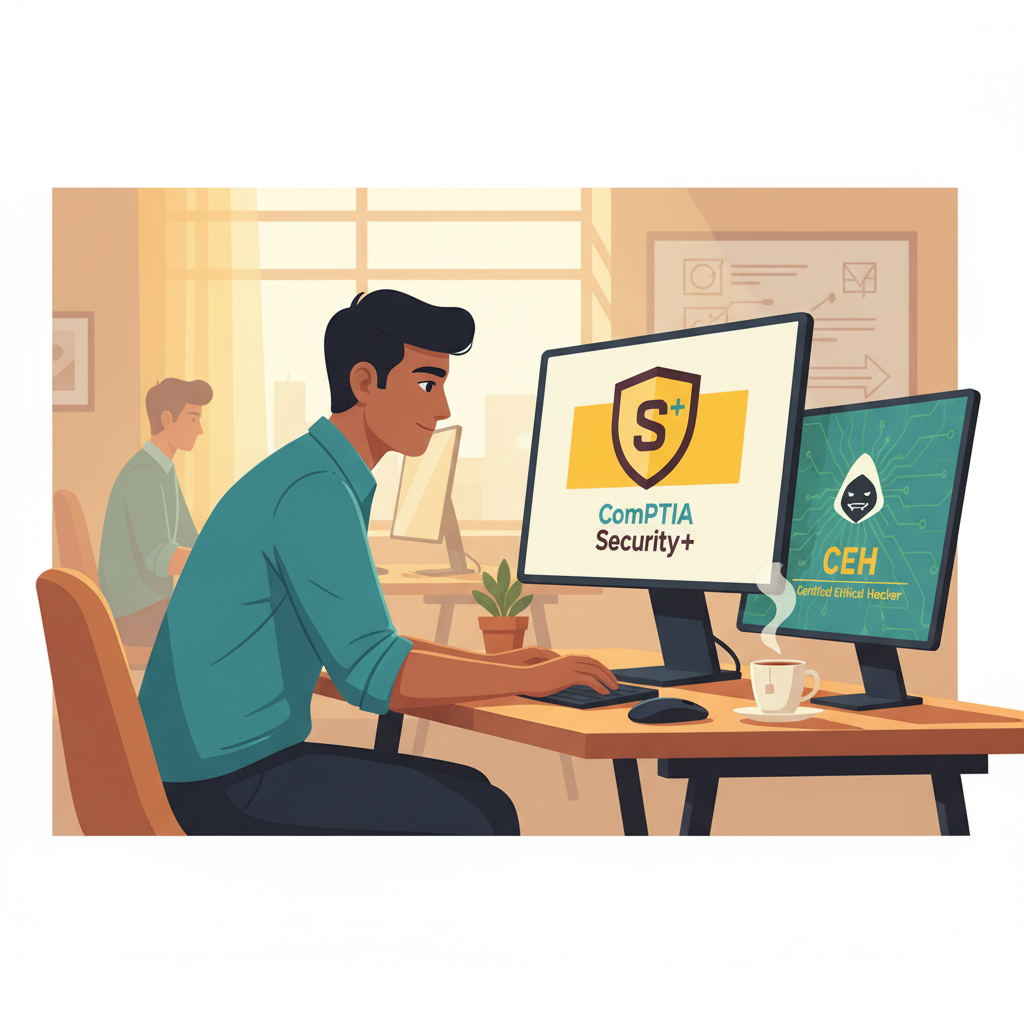
- Certify quickly. Grab CompTIA Security+—it's entry-level gold. In India, pair it with CEH for extra edge; UAE firms love it for compliance roles.
- Log and analyze daily. Dive into SIEM tools, spot anomalies in logs. Track metrics like alert resolution time to show your value fast.
- Network regionally. Attend BSides in Dubai (UAE), Nullcon in India, or Black Hat MEA. LinkedIn groups for Pakistani cyber pros are gold for job leads.
- Automate and report. Script simple tasks in Python, write clear incident reports. This sets you apart for promotions.
Technical Skills
Master these to handle threats head-on. Know firewalls (Palo Alto), IDS/IPS (Snort), endpoint protection (CrowdStrike). Scripting in Python or Bash saves hours on repetitive scans.
Understand attacks: SQL injection, DDoS, ransomware. In the UAE's oil sector, focus on ICS/SCADA security too.
Soft Skills
Communicate findings simply—no jargon bombs. Stay curious; threats evolve daily. Team up well, as cyber is collaborative.
Resilience matters—long shifts during breaches. In high-pressure India call centers or Pakistan banks, calm heads win.
Tools to learn
Start with free ones: Wireshark for packet analysis, Nessus for vuln scans, Splunk free tier for logs. Burp Suite for web app testing.

Pro picks: ELK Stack (Elasticsearch, Logstash, Kibana) for SIEM. In the UAE, learn Tenable for compliance audits. Practice on Kali Linux daily.
- Beginner: Nmap, Metasploit.
- Intermediate: Zeek, Suricata.
- Advanced: Volatility for memory forensics.
Salary expectations with regional ranges
Juniors start solid, with quick jumps. Pakistan: PKR 80,000–150,000/month (entry in Lahore/Islamabad banks). India: INR 4–8 LPA (Bangalore startups to Mumbai firms). UAE: AED 10,000–18,000/month (Dubai finance, tax-free).
With Security+ and 1 year exp, add 20–30%. Seniors hit PKR 300k+, INR 15LPA+, AED 30k+.
Where to find jobs
Pakistan: Jazz, Telenor, State Bank via Rozee.pk or Mustakbil.com. Check PakCERT for govt gigs.

India: TCS, Infosys, Wipro on Naukri.com. Startups in Hyderabad love juniors.
UAE: Emirates NBD, ADNOC on Bayt.com or LinkedIn. Free zones like DIFC hire fast.
Tip: Tailor resumes with keywords like 'SIEM' or 'threat hunting' for ATS.
Common mistakes
Don't chase every cert—focus on job needs first. Avoid siloed work; share intel with teams.
Skipping documentation burns you in audits. Ignoring burnout? Pace yourself, especially in 24/7 SOCs in the UAE.
Overlooking soft skills tanks promotions. Practice explaining tech to non-tech bosses.
Real career path examples
Ali from Pakistan: Started as a junior at a Karachi bank (PKR 70k). Learned Splunk, got Security+, now a senior analyst at PTCL in 2 years (PKR 150k).

Priya from India: Interned at Pune firm (INR 20k/month), built Python scripts, landed full-time at Accenture (INR 6 LPA). Now threat hunter.
Mohammed in UAE: Fresh grad in Dubai (AED 12k), handled phishing waves, certified CEH, promoted to SOC lead at Etisalat (AED 22k) in 18 months.
FAQs
What degree do I need? A CS/IT bachelor's helps, but certs like Security+ open doors without one. Self-taught paths work via online labs.
How long to a senior role? 2–3 years with consistent upskilling. Track incidents resolved and certs earned.
Best free learning resources? HackTheBox, YouTube (NetworkChuck), Coursera, Google Cyber Cert. Regional: Pakistan's NIC forums.
Women in cyber? Growing fast—check Women in CyberSec India or UAE chapters for mentorship.
Remote jobs possible? Yes, many SOCs are remote. India/Pakistan firms outsource to UAE time zones.
Handle stress from alerts? Prioritize with playbooks, rotate shifts, and debrief post-incident.
Conclusion
You're now armed to thrive as a junior cybersecurity analyst. Start with one step today—set up that lab or grab Security+.
Ready for real opportunities? Head to Trainee.in for cyber internships and trainee roles in Pakistan, India, UAE. Your secure future starts now!
