

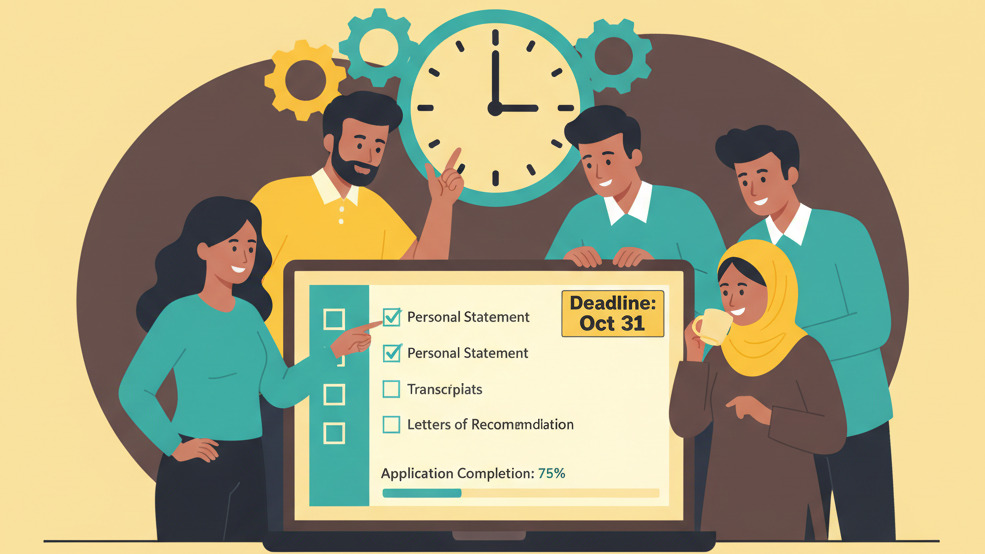
Universities are opening applications for the 2026 intake across many countries. If you are planning to apply, the process now depends on portals, document checks, and earlier scholarship deadlines. This 2026 university admissions guide will help you plan your timeline, prepare your documents, and avoid simple mistakes that can cost you a seat.
The best applications are not always the most impressive on paper. They are usually the most complete, well-matched, and submitted on time. That matters even more in higher education 2026, where competition is strong, and many programs fill quickly.
2026 University Admissions: What Students Need to Know
Most universities now use online portals with checklist updates and missing-document alerts. Email alone is no longer enough. You should treat every portal as the main source of truth for your application.
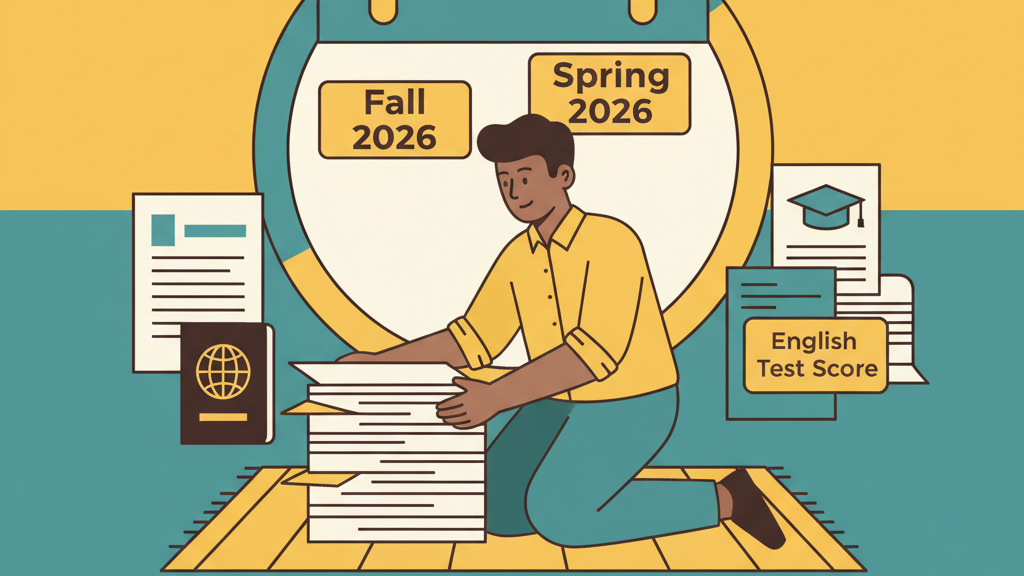
Also, deadlines can change by country and by intake. Fall or autumn 2026, spring 2026, and rolling admission all work differently. For selective programs, early applications can improve your chances for admission, housing, and university scholarships in 2026.
Undergraduate, postgraduate, and doctoral timelines
Undergraduate applicants usually need more time for transcripts, test scores, and language results. Postgraduate applicants often need a stronger personal statement for university applications, especially if their grades are close to the cutoff. Doctoral applicants should start earlier because research proposals and supervisor contact take time.
Step-by-Step University Application Process for 2026
- Choose your course and country first. Check entry rules, language scores, tuition, and post-study work options.
- Make a deadline sheet. Note the university deadline, scholarship deadline, and visa timeline separately.
- Prepare your documents. Scan transcripts, test scores, passport copies, and recommendations in the required format.
- Write a tailored statement. Match your goals to the program, not to a generic template.
- Submit early. Do not wait for the final day. Portals can slow down near closing time.
- Track your application. Watch for portal updates, interview emails, and requests for missing files.
If you want more practical help with written application files, you can also check the Trainee.in's CV writing guide and other career guides.
Key Deadlines to Watch in 2026
Deadlines vary a lot by destination. Use the university portal as your final reference, but these general patterns help you plan.

- UK: Many undergraduate courses use UCAS-style cycles, while postgraduate deadlines vary by university.
- US: Early Action, Early Decision, and Regular Decision all have different timelines. Many fall 2026 deadlines close between late 2025 and early 2026.
- Canada: Many applications for fall 2026 close between winter and early spring 2026, though some programs accept later.
- Australia: Rolling intake is common, but scholarships often close early.
- Germany: Deadlines often fall months before intake, especially for public universities and visa planning.
- UAE, Turkey, and Malaysia: Many universities use multiple rounds or rolling admissions, but popular programs still fill fast.
For international student admissions 2026, always work backward from visa dates. Financial proof rules can also take time. In the UK, for example, students usually need to show tuition and living funds before visa issuance, and the exact amount depends on current government rules.
How to Write a Strong Personal Statement
A strong statement is clear, specific, and honest. It should explain why you want this course, why this university, and what you plan to do after graduation.

What to include
- Your academic interests and key subjects
- One or two projects, internships, or activities that shaped your goal
- Why does the program fit your background
- What skills do you want to build
- Your career plan after university
Do not copy a common template. Admissions teams notice generic writing quickly. If you have a gap in study, lower grades in one term, or a non-traditional background, use the statement to explain the context in simple words.
For students applying to competitive programs like business analytics, healthcare, AI, or sustainability, the statement often becomes a deciding factor. It helps the university judge program fit, motivation, and communication skills.
Essential Documents for University Applications
Missing documents remain one of the top reasons applications are delayed or rejected. Build a folder for each university and keep files named clearly.
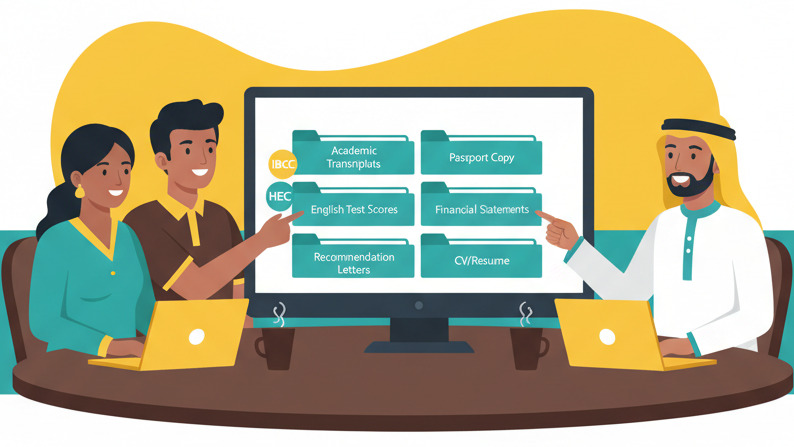
- Academic transcripts and certificates
- Passport copy
- English test scores, or other language scores if required
- Personal statement or statement of purpose
- Recommendation letters
- CV for some postgraduate programs
- Portfolio or research proposal, where needed
Pakistan-based applicants may also need degree attestation, IBCC or HEC verification, and equivalency documents depending on the course and country. India-based applicants should check university-specific rules and, where relevant, AICTE or other approval needs for the program. UAE-based applicants may need certificate attestation and equivalency from local authorities before final submission or visa processing.
Good document management is part of the application itself. It shows that you can follow rules and respond on time.
How to Find Funding and Scholarships for 2026 Admissions
Scholarship planning should start early. In many cases, scholarship deadlines close before the admission deadline. That is especially true for merit awards and need-based funding.
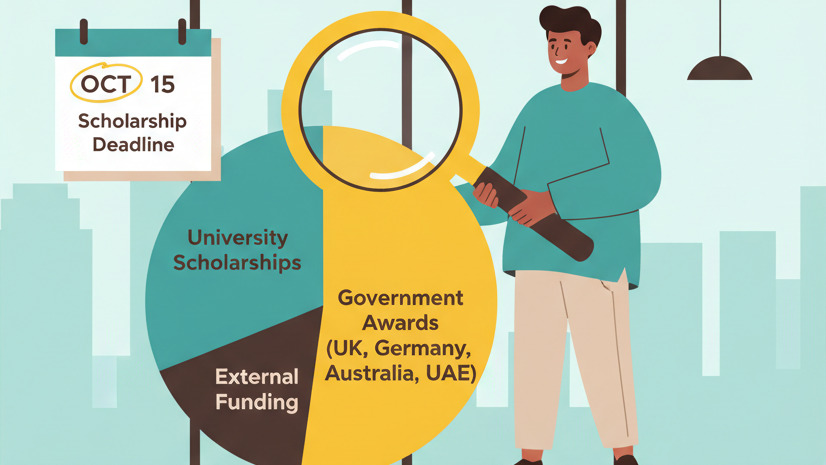
- University scholarships: Often linked to your admission file. Some are automatic, while others need a separate form.
- Government awards: These may come from the UK, Germany, Australia, the UAE, or your home country.
- External funding: Foundations, trusts, and company-sponsored awards may support tuition or living costs.
Look at platform updates, university pages, and national scholarship portals. Also, compare the full cost, not just tuition. Housing, transport, books, and visa fees matter a lot.
If you are also thinking about the job market after study, review salary trends so you can compare destinations with realistic outcomes.
How to Choose the Right University and Program
Rankings matter, but they should not be your only filter. Look at teaching style, internship access, employability, industry links, and post-study work rights.
For South Asian and Gulf students, practical outcomes often matter most. A good program fits your grades, budget, and long-term plan. For example, a strong mid-ranked university with good placements may be a better choice than a famous name with weak support.
Check whether the university offers industry projects, career services, and internship support. If you want to explore student and entry-level opportunities later, browse jobs on Trainee.in after you shortlist your destination.
Common University Application Mistakes to Avoid
- Missing a scholarship deadline because you only checked the admission date
- Uploading the wrong file format or an unreadable scan
- Using the same statement for every university
- Ignoring language score rules
- Choosing a program without checking entry requirements
- Waiting too long to respond to portal alerts or interview invites
Most rejections still come from simple issues: missed deadlines, incomplete transcripts, weak program fit, generic statements, or failure to follow format rules. These are avoidable if you plan early.
What to Do After You Submit Your Application
Submission is not the end. It is the start of the tracking stage.
- Check the portal every few days.
- Watch your email inbox and spam folder.
- Reply quickly to missing-document requests.
- Prepare for interviews if the university asks for one.
- Read your offer carefully, especially any conditions.
- Start your visa file as soon as you receive a conditional or final offer.
For many students, this stage also includes compliance steps such as bank statements, medical checks, translations, and attestations. Keep copies of everything.
Frequently Asked Questions
When should students start preparing for 2026 university admissions?
Ideally, you should start 6 to 12 months before your intended intake. That gives you enough time for tests, transcripts, scholarship forms, and visa documents.
What documents are usually required for university applications?
Most universities ask for transcripts, certificates, a passport copy, language scores, a personal statement, and recommendation letters. Some postgraduate programs also need a CV or research proposal.
Are scholarship deadlines the same as admission deadlines?
Not always. Many scholarships close earlier, so you should check both timelines separately. This matters even more for competitive university scholarships 2026.
How important is the personal statement?
Very important. A strong statement for a university application can help explain your goals, your fit for the program, and any weak spots in your profile.
What are the most common mistakes applicants make?
The biggest mistakes are missed deadlines, incomplete documents, generic writing, and ignoring program rules. Proofreading matters too.
What should applicants do after submitting the application?
Track the portal, read emails carefully, and respond fast to any requests. Also, prepare for interviews and visa steps right away.
Final Checklist for 2026 Applicants
- Choose your program and country
- Confirm admission and scholarship deadlines
- Prepare and name all documents correctly
- Write a tailored personal statement
- Submit early and track the portal
- Plan for visa and funding steps
The 2026 university admissions cycle gives students many options, but the process rewards planning. If you choose the right course, prepare strong documents, and apply early, you improve your chances in a competitive round. Keep your timeline clear, and check every requirement twice.
For more help with student applications, program selection, and career start planning, explore the latest resources on Trainee.in blog.
